Top Emergency Plumbers in Sharpsburg, NC, 27803 | Compare & Call

There are 44 plumbing companies server in Sharpsburg NC
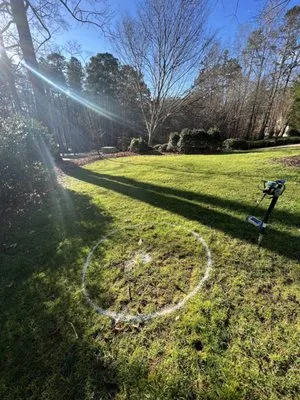
Leak Locators is a full-service water leak detection and repair company established in 2006, serving North and South Carolina, Virginia, and the Triangle area including Clayton. Our experienced profes...
Walter's Well Pump & Tank Service
Walter's Well Pump & Tank Service is a locally owned and operated business in Raleigh, NC, with deep roots in the community. Founded in 2008 by Walter, who brings over 30 years of hands-on experience ...
M&R HVACR Solutions is a locally-owned and operated HVAC and plumbing service provider based in Smithfield, NC. Founded in 2024 by Young Tech and his father, we bring a family-oriented approach to eve...
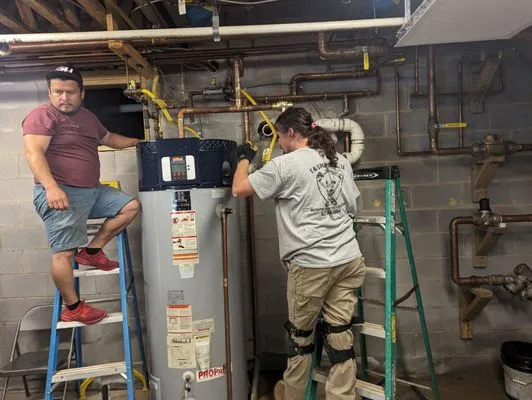
C&S Plumbing is a trusted local plumbing service in Zebulon, NC, specializing in comprehensive solutions for residential plumbing needs. We help Zebulon homeowners address common local issues like fro...
Fixed-NC Plumbing
Fixed-NC Plumbing is a certified woman-owned plumbing company serving Raleigh, NC, and surrounding areas with a dedicated focus on plumbing and gas services. Founded by Jennifer Etkin and led by maste...
VDH Plumbing is a family-owned and operated plumbing contractor serving Raleigh, NC, and the surrounding areas. We specialize in both residential and commercial service work, from routine repairs like...
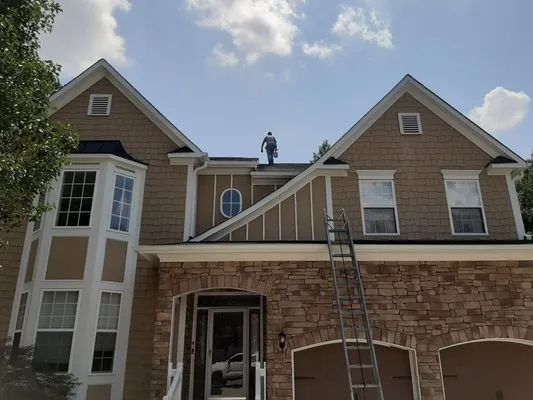
All Aces Home Renovations is a family-owned and insured handyman business proudly serving Raleigh, NC. For many years, we've built our reputation on a simple promise: putting the customer first with r...

Comfort Shield HVAC Services
Comfort Shield HVAC Services is a family-owned business serving Smithfield, NC, and surrounding counties since 2009. Founded by a father-son team with over 30 years of combined HVAC experience, we spe...
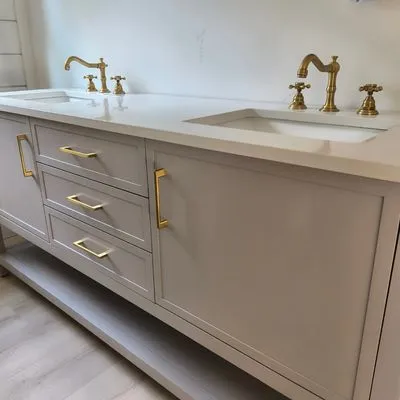
Watkins Plumbing Services
Founded in 2022, Watkins Plumbing Services is a licensed, locally-owned plumbing company serving Rocky Mount, NC. We are dedicated to providing reliable plumbing solutions for homes and businesses, fr...
Prostar Services Inc. is a licensed HVAC and plumbing contractor serving Wilson, NC, and Eastern North Carolina. With about five years of experience, we specialize in heating, cooling, and electrical ...
Estimated Plumbing Costs in Sharpsburg, NC
Q&A
Why do my 1980s copper pipes keep springing pinhole leaks?
Copper pipes from 1986 often develop pinhole leaks due to electrolytic corrosion and joint calcification. The hard water in Sharpsburg accelerates this process by depositing minerals that create weak spots. These tiny leaks typically appear at solder joints or where pipes contact dissimilar metals. Addressing them requires proper dielectric unions and sometimes section replacement.
Does Sharpsburg's hard water damage plumbing fixtures?
Hard water from the Tar River basin causes significant scale buildup in water heaters and fixtures. Mineral deposits reduce heating efficiency by insulating elements and restrict water flow in aerators and showerheads. Over time, this scaling can lead to premature appliance failure. Installing a whole-house water softener or using vinegar treatments on fixtures helps manage the problem.
What should I do before spring thaw to prevent plumbing problems?
Before temperatures drop to 31°F during spring thaw nights, insulate exposed pipes in crawl spaces and attics. Drain outdoor spigots and disconnect hoses to prevent backflow freezing. Check that your home's heat maintains at least 55°F in vulnerable areas. These precautions are especially important in our temperate climate where sudden cold snaps catch homeowners unprepared.
How quickly can a plumber reach my home in Sharpsburg?
Heading past Sharpsburg Historical Museum on US-301 gets me to most neighborhoods within 20-30 minutes. This route avoids congestion while providing direct access to residential areas. I plan dispatch based on traffic patterns and emergency priority, ensuring timely arrival whether you're near the museum or further out.
Who handles permits and inspections for plumbing work in Nash County?
Nash County Planning and Inspections requires permits for most plumbing modifications. As a North Carolina State Board of Examiners licensed contractor, I handle the red tape so you don't have to. This includes submitting plans, scheduling inspections, and ensuring all work meets current code requirements. Proper documentation protects your investment and maintains your home's value.
How long do copper pipes last in Sharpsburg homes?
Copper pipes installed around 1986 are now 40 years old. In Sharpsburg Town Center, homeowners are seeing increased frequency of leaks and reduced water pressure as the metal fatigues. This aging process accelerates in our hard water conditions, where mineral deposits create internal stress points. Regular inspections can identify weak sections before they fail completely.
How does Sharpsburg's rural setting affect my plumbing system?
Rural Sharpsburg properties typically use well water and septic systems rather than municipal connections. Wells require regular testing for water quality and pump maintenance, while septic systems need periodic inspection to prevent backups. The distance between structures means longer pipe runs that are more susceptible to freezing and pressure variations. Understanding these rural-specific factors helps maintain system reliability.
Why does my basement near Sharpsburg Historical Museum flood during heavy rain?
Low-lying terrain around the museum area creates drainage challenges that stress main sewer lines. Water seeks the lowest point, which often means residential basements in this topography. The soil saturation can shift foundation pipes, causing joint separation or cracks. Proper grading away from your home and installing a backwater valve helps mitigate these terrain-related issues.
