Top Emergency Plumbers in Robersonville, NC, 27871 | Compare & Call

There are 26 plumbing companies server in Robersonville NC
Kop Construction and Plumbing
KOP Construction and Plumbing LLC in Mount Olive, NC, is a locally owned and operated business founded on principles of affordable, quality, and personalized work. With over 30 years of combined exper...
Fixed-NC Plumbing
Fixed-NC Plumbing is a certified woman-owned plumbing company serving Raleigh, NC, and surrounding areas with a dedicated focus on plumbing and gas services. Founded by Jennifer Etkin and led by maste...
EZ-FLO Plumbing, operated by Brogden local Ezequiel "Zeek," provides reliable plumbing services for both homes and businesses in the community. With years of hands-on training across commercial and re...
Prostar Services Inc. is a licensed HVAC and plumbing contractor serving Wilson, NC, and Eastern North Carolina. With about five years of experience, we specialize in heating, cooling, and electrical ...

Mint Quality Home Inspections serves the Jacksonville, NC community with reliable, detailed home inspections. Our licensed and insured inspectors conduct thorough, visual evaluations of residential pr...

Restorer Property Services is a licensed plumbing company serving Greenville, NC, built on a foundation of clear communication and honesty. We understand that plumbing issues can be stressful, which i...

Sam Pollard and Son
Sam Pollard and Son is a family-owned home services provider serving Greenville, NC, and surrounding communities since 1948. Founded by Sam Pollard and now led by his grandson Walt Pollard, this third...

National Water Heater
National Water Heater is a trusted plumbing company based in Greenville, NC, founded in 1998 by Erick to provide reliable plumbing services at fair prices. Specializing in water heater installation, r...
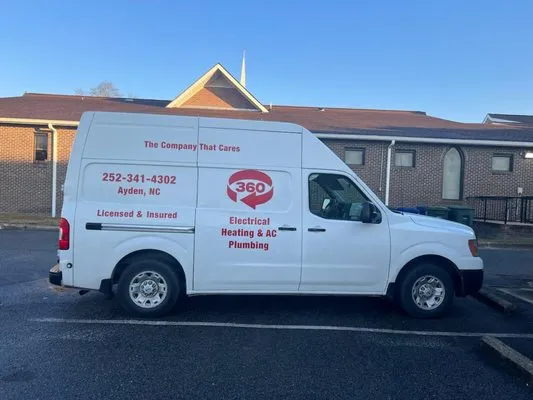
360 Electrical, Heating and Air, and Plumbing Services
360 Electrical, Heating and Air, and Plumbing Services is a trusted, full-service contractor based in Ayden, NC. We provide comprehensive electrical and plumbing inspections to help local homeowners i...
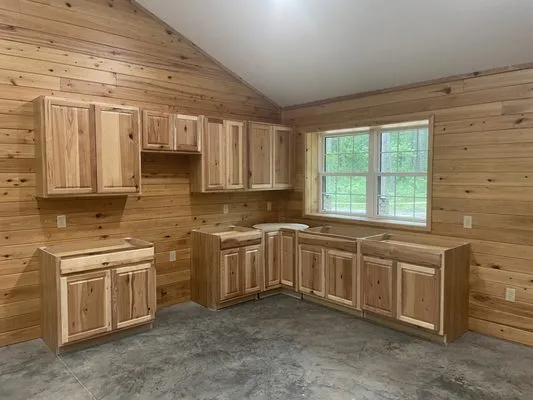
For 26 years, About Time Remodel And Repair has been a trusted partner for Winterville homeowners, blending skilled craftsmanship with a deep understanding of client needs. Owner Brad's journey began ...
Estimated Plumbing Costs in Robersonville, NC
Questions and Answers
Could the flat land around the library be causing my slow drains?
Robersonville's low-lying terrain can complicate drainage. The minimal slope means sewer lines lack the natural gradient for optimal flow, allowing solids to settle and create blockages over time. This constant, low-grade stress on the main line from your house to the street is a common contributor to recurring drain problems in the area, requiring more frequent professional cleaning than in hillier locales.
How fast can a plumber get to me in Robersonville during an emergency?
We prioritize local calls. My standard dispatch route from our shop heads past Robersonville Public Library to access US-64. This main artery allows for a 45 to 60 minute response window to most addresses in our service area, barring major traffic or weather delays on the state highway. I plan routes to minimize time off the main road.
What should I do to my plumbing before hurricane season or a hard freeze here?
For freezes, which can dip to 31°F, insulating exposed pipes in crawl spaces is critical. Before hurricane season, the pro-tip is to know where your main water shut-off valve is and ensure it operates smoothly. This allows you to quickly cut supply to the house if a storm damages plumbing, preventing catastrophic flooding. It's a simple, temperate-climate habit that prevents major emergencies.
Do I need a permit to replace the plumbing in my Robersonville home?
Yes, most substantive plumbing work requires a permit from Martin County Building Inspections. As a Master Plumber licensed by the North Carolina State Board of Examiners, I handle pulling those permits and scheduling the required inspections. This ensures the work meets current state code. My job is to manage that red tape so you don't have to, providing a final sign-off that protects your home's value and safety.
Why does my old house in Downtown Robersonville keep having pipe problems?
Your home’s plumbing is likely original, meaning the galvanized steel pipes were installed around 1967. That makes them 59 years old in 2026. This material has a functional lifespan of about 50 years. What you're seeing now—low water pressure at multiple fixtures and persistent leaks—is the final stage of failure. The interior of the pipes has corroded and narrowed, a process that accelerates sharply after the half-century mark.
Does our water from the Roanoke River damage water heaters or fixtures?
Yes, the hard water prevalent here causes significant scale buildup. Mineral deposits act as an insulator inside your water heater tank, forcing it to work harder and shortening its life. At fixtures, this scaling clogs aerators and cartridge valves, leading to reduced flow and premature failure. Installing a whole-house water softener is the most effective defense for protecting all your appliances and plumbing hardware.
As a rural homeowner here, what unique plumbing systems do I need to maintain?
Outside municipal limits, you're responsible for a private well and septic system. Well components like the pressure tank and switch require periodic service. For your septic system, regular pumping every 3-5 years is non-negotiable to prevent drain field failure. These systems are interdependent; a failing pressure tank can overload a drain field. They demand a different maintenance mindset than city sewer and water.
What's the most common plumbing issue in a Robersonville home built in the 1960s?
Complete galvanized line failure. By this age, pinhole leaks are frequent, but the systemic issue is joint calcification and interior scale buildup. The pipe walls themselves become thin and brittle. Spot repairs often fail because threading into the corroded metal is nearly impossible. Full repiping with modern materials like copper or PEX is typically the only permanent solution for these original systems.
