Top Emergency Plumbers in River Bend, NC, 28562 | Compare & Call

There are 189 plumbing companies server in River Bend NC
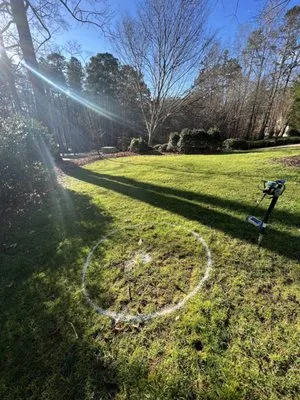
Leak Locators is a full-service water leak detection and repair company established in 2006, serving North and South Carolina, Virginia, and the Triangle area including Clayton. Our experienced profes...

Walter's Well Pump & Tank Service
Walter's Well Pump & Tank Service is a locally owned and operated business in Raleigh, NC, with deep roots in the community. Founded in 2008 by Walter, who brings over 30 years of hands-on experience ...
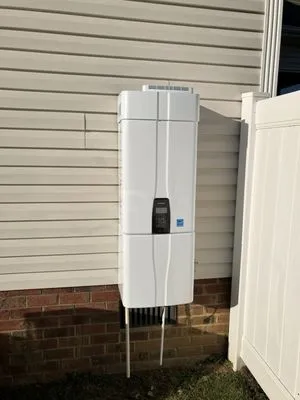
EZ-FLO Plumbing, operated by Brogden local Ezequiel "Zeek," provides reliable plumbing services for both homes and businesses in the community. With years of hands-on training across commercial and re...

Lizama Construction is a trusted, family-owned contractor serving Goldsboro and the surrounding Wayne County area. Founded over 30 years ago, our Hispanic family business has built a reputation for re...
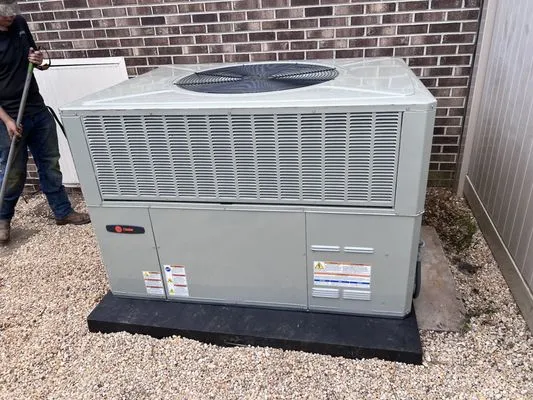
Prostar Services Inc. is a licensed HVAC and plumbing contractor serving Wilson, NC, and Eastern North Carolina. With about five years of experience, we specialize in heating, cooling, and electrical ...
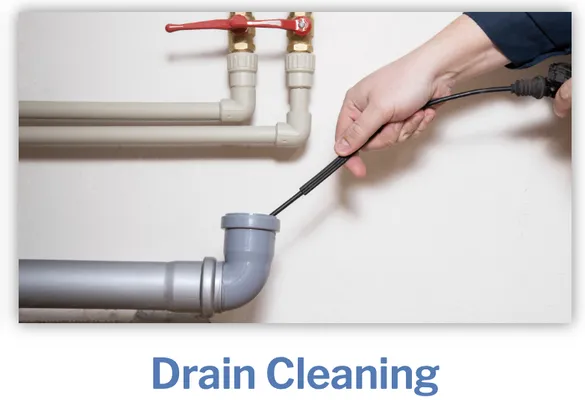
C. Massey Plumbing has been the trusted local plumbing expert in Four Oaks and across the Triangle since 2015. As a licensed and insured family-owned business, we build lasting relationships with our ...
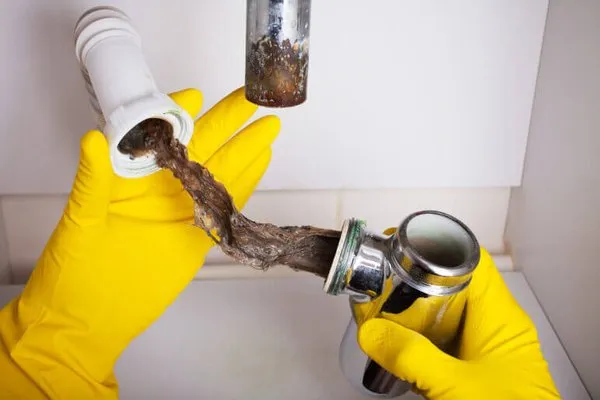
808 Drain is your trusted local plumbing partner in Fairmont, NC, dedicated to keeping your home or business running smoothly. We specialize in sewer and drain cleaning, hydro-jetting, and precise vid...

At Zoom Drain Raleigh Southeast, located at 3262 S Brightleaf Blvd in Smithfield, NC, we provide focused and reliable plumbing solutions for homeowners and businesses throughout the local community. O...
DSW Renovation Solutions is your trusted local handyman and plumbing expert serving Smithfield, NC homeowners. We specialize in comprehensive home maintenance and repair services, from plumbing instal...
Roto-Rooter Plumbing & Drain Service
Roto-Rooter Plumbing & Drain Service in Wilmington, NC is a locally owned and operated franchise proudly run by the Zaffuto family, with Abby Zaffuto as the second-generation owner following her fathe...
Estimated Plumbing Costs in River Bend, NC
Frequently Asked Questions
Does the hard water from the Neuse River damage my water heater?
Yes, the mineral-rich hard water leads to significant scale buildup inside the tank and on the heating elements. This insulating layer of scale forces the heater to work harder and longer, reducing its efficiency and lifespan. You may hear more rumbling or knocking sounds as the scale hardens and cracks. An annual flush of the tank and inspecting the anode rod are critical maintenance steps to counteract this specific issue in our area.
My home in River Bend Estates was built in 1984. What kind of plumbing problems should I expect now?
Your copper plumbing system is now 42 years old, a point where the metal has experienced significant stress from decades of water flow and temperature changes. Homeowners here are commonly seeing pinhole leaks, often in the hot water lines, and a noticeable drop in water pressure due to mineral buildup inside the pipes. These issues tend to start in less visible areas like crawlspaces or behind walls. Addressing them proactively can prevent more extensive water damage to the home's structure.
How fast can a plumber get to my house in River Bend if I have a leak?
From our central staging, heading past River Bend Town Park on US-70 provides the most direct route into the neighborhoods. That dispatch typically takes 20 to 30 minutes under normal traffic conditions. We factor in local events and time of day to provide an accurate ETA once you call. The goal is to have a technician on site to assess and contain the situation within the hour.
Could the slope of my yard in River Bend be causing drainage or sewer issues?
The coastal terrain and soil composition around areas like River Bend Town Park can direct surface water toward foundations. This constant moisture, combined with the natural slope, puts lateral stress on your main sewer line. Over years, this can cause settling or a slight misalignment in the pipe joints, leading to root intrusion or periodic backups. Ensuring proper gutter drainage away from the home is the first defense to reduce this hydraulic pressure on your underground lines.
What's one thing I should do before hurricane season to prevent plumbing problems?
Before the peak storm season, disconnect all garden hoses from your exterior faucets. A hose left connected traps water in the bib, which can freeze during an unseasonably cold night—we can still hit 34°F in early spring or late fall. If that trapped water freezes and expands, it can crack the pipe inside your wall, leading to a major leak. This simple, five-minute task protects against one of the most common and preventable freeze-related failures we see.
Do I need a permit to replace my water heater in River Bend, and who handles that?
Yes, the Town of River Bend Building Inspections requires a permit for water heater replacement to ensure the installation meets current code for safety and energy efficiency. As a licensed master plumber credentialed by the North Carolina State Board, I pull that permit, schedule the inspection, and manage all paperwork. My job is to handle that red tape so your project is compliant and you don't have to navigate the town's process yourself.
As a suburban homeowner, what's my responsibility for the sewer line?
You are responsible for the lateral line from your house to the connection at the municipal main, typically located under the street or easement. In our suburban setting, the most common issues are tree root intrusion into older joints and gradual buildup from household waste and hard water scale. A slow-draining floor drain or gurgling sounds from toilets can be early signs of a blockage or break in this private section of pipe.
Why are my copper pipes from the 80s suddenly getting pinhole leaks?
Copper pipe installed around 1984 has been subject to years of electrochemical corrosion and erosion from our hard water. This process, accelerated by the mineral content, thins the pipe wall from the inside. Eventually, this thinning creates a weak spot that fails, resulting in a pinhole leak. These leaks frequently occur at solder joints or where pipes rub against framing, as those are additional stress points on the aged metal.
