Top Emergency Plumbers in Pinetops, NC, 27864 | Compare & Call

There are 33 plumbing companies server in Pinetops NC
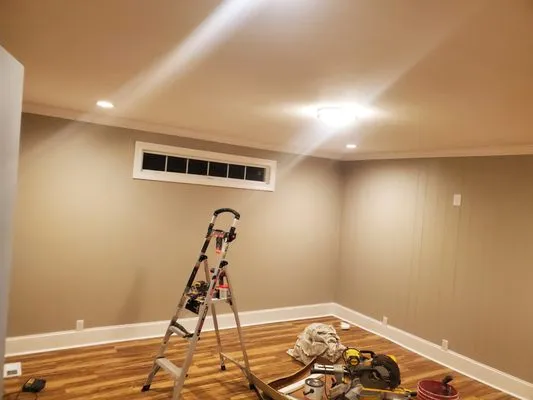
Kop Construction and Plumbing
KOP Construction and Plumbing LLC in Mount Olive, NC, is a locally owned and operated business founded on principles of affordable, quality, and personalized work. With over 30 years of combined exper...
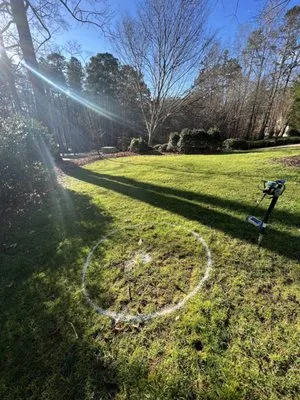
Leak Locators is a full-service water leak detection and repair company established in 2006, serving North and South Carolina, Virginia, and the Triangle area including Clayton. Our experienced profes...
Walter's Well Pump & Tank Service
Walter's Well Pump & Tank Service is a locally owned and operated business in Raleigh, NC, with deep roots in the community. Founded in 2008 by Walter, who brings over 30 years of hands-on experience ...
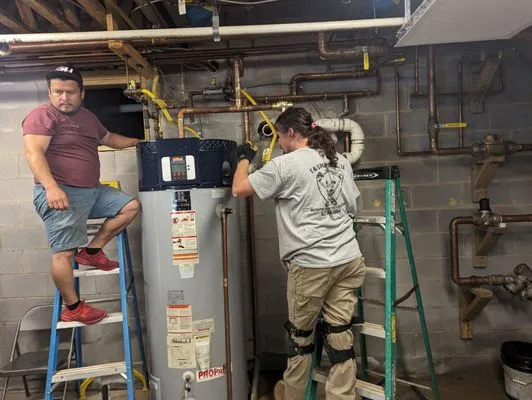
C&S Plumbing is a trusted local plumbing service in Zebulon, NC, specializing in comprehensive solutions for residential plumbing needs. We help Zebulon homeowners address common local issues like fro...
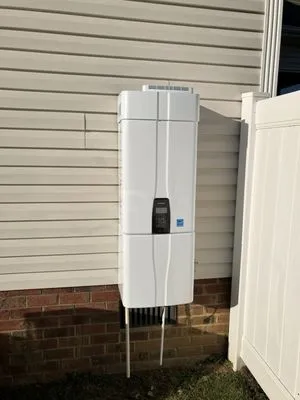
EZ-FLO Plumbing, operated by Brogden local Ezequiel "Zeek," provides reliable plumbing services for both homes and businesses in the community. With years of hands-on training across commercial and re...
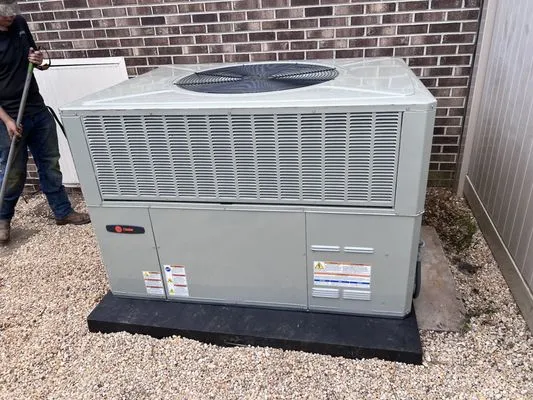
Prostar Services Inc. is a licensed HVAC and plumbing contractor serving Wilson, NC, and Eastern North Carolina. With about five years of experience, we specialize in heating, cooling, and electrical ...
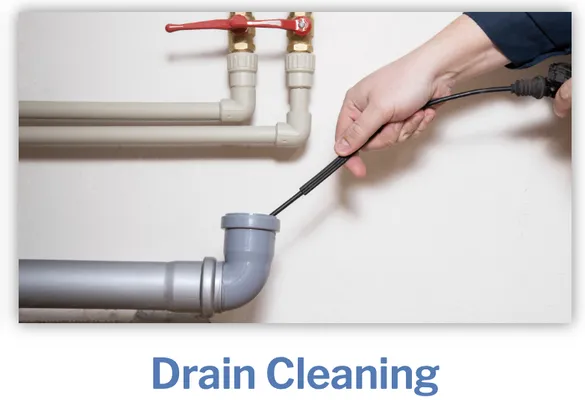
C. Massey Plumbing has been the trusted local plumbing expert in Four Oaks and across the Triangle since 2015. As a licensed and insured family-owned business, we build lasting relationships with our ...
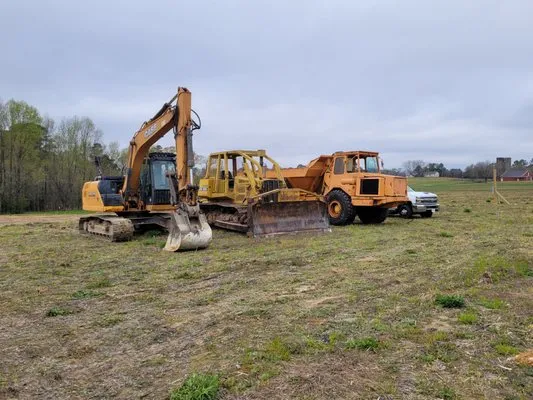
Elevation Contracting
Elevation Contracting serves the Benson, NC community with reliable land development and site preparation services. We specialize in excavation, trench digging for utilities, and thorough plumbing ins...
DSW Renovation Solutions is your trusted local handyman and plumbing expert serving Smithfield, NC homeowners. We specialize in comprehensive home maintenance and repair services, from plumbing instal...

Mint Quality Home Inspections serves the Jacksonville, NC community with reliable, detailed home inspections. Our licensed and insured inspectors conduct thorough, visual evaluations of residential pr...
Estimated Plumbing Costs in Pinetops, NC
Common Questions
Who handles the permits and inspections for a plumbing job in Edgecombe County?
The Edgecombe County Inspections Department issues all required permits. As a Master Plumber licensed by the North Carolina State Board of Examiners of Plumbing, Heating and Fire Sprinkler Contractors, I pull those permits and schedule the inspections as part of the job. My license means I handle that red tape so you don't have to, and it ensures the work meets all current state and county codes for your safety and home value.
How long does it take for a plumber to get to my house in Pinetops?
Our typical dispatch route from the Pinetops Historical Society area heads out onto US-258 to reach most homes. Travel within town is usually under 15 minutes. For properties further out in the county, we plan for a 45 to 60 minute response window. We provide a more precise ETA when you call, based on your specific cross-streets.
Does hard water from the Tar River damage my plumbing fixtures?
Yes, the mineral content in our water leads to scale buildup. Inside water heaters, this layer of limestone acts as an insulator, forcing the unit to work harder and fail sooner. On faucet aerators and showerheads, scale clogs the small openings, reducing flow. Over years, this buildup can also constrict water flow within the pipes themselves, increasing pressure and stress on the entire system.
What should I do to prepare my Pinetops home plumbing for spring?
Our late winter lows near 31°F mean the ground is still cold when the spring thaw hits. A key pro-tip is to check all exterior hose bibs. Make sure the interior shut-off valve is closed and the bib is drained to prevent a split faucet from a late freeze. It's also a good time to inspect your crawl space for any drips that may have developed over winter, as expanding and contracting pipes can loosen old fittings.
Could the flat land around here cause plumbing drainage issues?
The plain terrain near the Pinetops Historical Society means there's very little natural slope for drainage. If your home's main sewer line doesn't have adequate pitch, waste can move sluggishly and allow solids to settle, leading to repeat clogs. It also means during heavy rains, saturated ground can put hydrostatic pressure on buried pipe joints, potentially causing infiltration or shifting that stresses the line.
My copper plumbing in Pinetops is from the 70s. What problems should I expect?
Copper pipes installed around 1972 are now 54 years old. In Town Center homes, we're seeing pipes reach the end of their service life. You'll likely notice pinhole leaks, especially at fittings and elbows, caused by decades of water flow eroding the interior wall. This often starts as a small damp spot on a wall or a drop in water pressure. Addressing these leaks early prevents major water damage to the home's structure.
Are there special plumbing concerns for a rural home like mine near Pinetops?
Rural homes here often rely on a well and septic system, not municipal lines. That means maintaining the pressure tank and well pump is critical. For septic systems, being mindful of what goes down the drain is essential to avoid a costly failure. We also see more issues with older galvanized piping in outbuildings or well houses, which corrode from the inside and restrict flow over time.
Why do my old copper pipes keep springing small leaks?
Pinhole leaks in 54-year-old copper are often due to a process called formicary corrosion. Microscopic pits develop inside the pipe from a combination of water chemistry and age. In systems from this era, failing solder joints can also be a culprit, especially if the original installation used aggressive flux that wasn't fully cleaned. These leaks are a clear signal the piping system is deteriorating from the inside out.
