Top Emergency Plumbers in Neuse Forest, NC, 28560 | Compare & Call

There are 196 plumbing companies server in Neuse Forest NC

Bluewater Plumbing Heating & Air
Bluewater Plumbing Heating & Air is a family-owned and operated company that has been a trusted fixture in the Wilmington community for over three decades. We understand the unique plumbing needs of h...
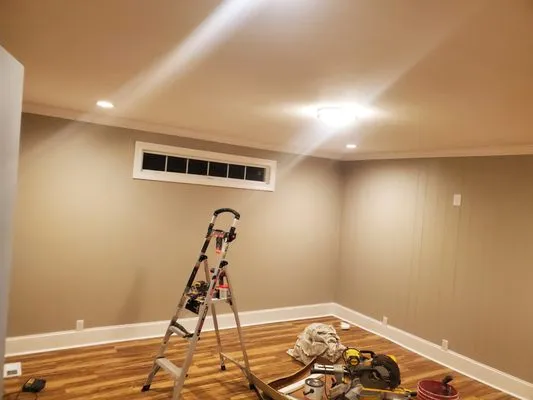
Kop Construction and Plumbing
KOP Construction and Plumbing LLC in Mount Olive, NC, is a locally owned and operated business founded on principles of affordable, quality, and personalized work. With over 30 years of combined exper...

Walter's Well Pump & Tank Service
Walter's Well Pump & Tank Service is a locally owned and operated business in Raleigh, NC, with deep roots in the community. Founded in 2008 by Walter, who brings over 30 years of hands-on experience ...
DSW Renovation Solutions is your trusted local handyman and plumbing expert serving Smithfield, NC homeowners. We specialize in comprehensive home maintenance and repair services, from plumbing instal...
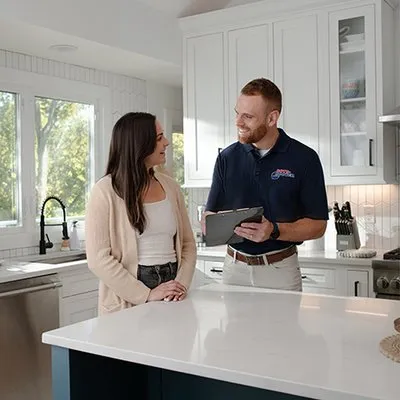
Roto-Rooter Plumbing & Drain Service
Roto-Rooter Plumbing & Drain Service in Wilmington, NC is a locally owned and operated franchise proudly run by the Zaffuto family, with Abby Zaffuto as the second-generation owner following her fathe...
Gene's Plumbing and Gas is a family-owned plumbing and gas service provider serving Wilmington, NC, with over 20 years of licensed experience in North Carolina. We specialize in a comprehensive range ...

Dependable Plumbing Heating and Air Services
Dependable Plumbing, Heating & Air is a family-owned and operated business proudly serving Hampstead, NC, and the surrounding areas. As a local team, we understand the unique needs of our coastal comm...
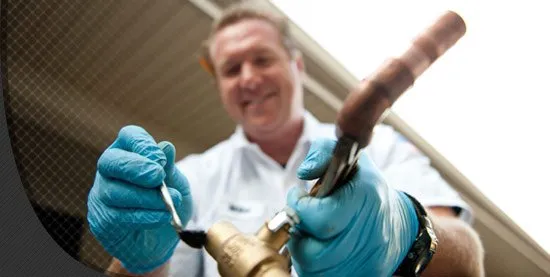
Benjamin Franklin Plumbing of Wilmington NC
Benjamin Franklin Plumbing of Wilmington NC is a trusted local plumbing service with deep roots in the community. Our story began in 1999 with our sister company, Signature Plumbing, focusing on const...
Masonboro Repairs and Maintenance is a family-owned local business serving Wilmington, NC, with 15 years of experience in home improvement. We handle everything from appliance installation and repair ...
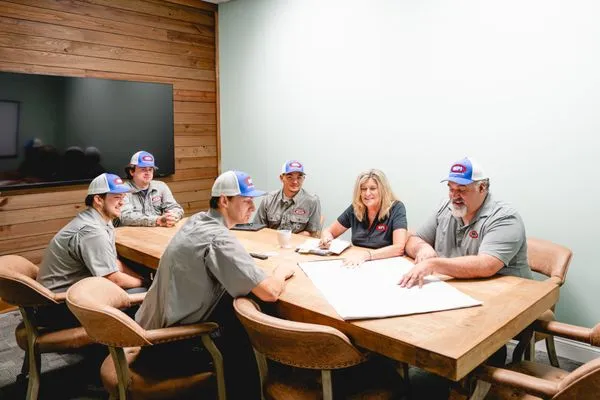
Milam Plumbing is a family-owned, licensed plumbing contractor serving Leland, NC, and surrounding areas since 1996. With nearly three decades of experience, we provide comprehensive plumbing, gas, an...
Estimated Plumbing Costs in Neuse Forest, NC
Q&A
How quickly can a plumber get to my house in Neuse Forest during an emergency?
From our base of operations, the typical dispatch route for calls in Neuse Forest involves heading past Croatan National Forest on US-70. That's a direct 20 to 30 minute drive under normal traffic conditions. We factor in that route daily, so for urgent issues like a major leak, we can have a truck rolling and often on-site within that window to minimize water damage.
What causes those tiny, persistent leaks in copper pipes that are hard to find?
Those are pinhole leaks, a specific failure mode for copper of this vintage. After nearly four decades, microscopic pits can form inside the pipe wall due to a combination of water chemistry and electrolytic corrosion. They often start at joints where soldering flux residue was left, or where pipes contact dissimilar metals without a proper dielectric union. The leak is small but constant, and it will worsen until the pipe wall is compromised enough to spray.
Does the hard water from the Neuse River ruin appliances?
Yes, the mineral content leads to significant scale buildup. Inside a water heater, that scale acts as an insulator on the heating elements or gas burner, forcing the unit to work harder, use more energy, and fail prematurely. On fixtures and showerheads, it restricts flow and degrades rubber washers and cartridges. An annual check of the anode rod in your water heater and installing a whole-house water softener are the most effective countermeasures for this area.
Do I need a permit to replace my own water heater in Craven County?
Yes, Craven County Planning and Inspections requires a permit for water heater replacement to ensure proper venting, pressure relief, and seismic strapping—all critical for safety. As a licensed master plumber credentialed by the North Carolina State Board, I handle pulling that permit, scheduling the inspection, and ensuring the installation meets all current code. This manages the red tape and liability for you, and it's a non-negotiable part of a professional job.
Our house was built in the late 80s like many in Neuse Forest Estates. Should I be worried about my plumbing?
Copper pipe installed around 1989 is now 37 years old. That lifespan often marks a transition point where we start seeing more frequent pinhole leaks from internal corrosion, particularly at solder joints and fittings. In homes here, it's common to find greenish-blue stains around pipe connections under sinks or a persistent drop in water pressure. This isn't a failure of the original installation; it's the natural aging process of copper in our specific water conditions.
What's one thing I should do before hurricane season to protect my plumbing?
Insulate any exposed pipes in unheated crawl spaces or against exterior walls. While our winter lows average 34°F, the rapid temperature drops during fall and winter storms can still cause freezing at these vulnerable points. A pro-tip is to use foam insulation sleeves with a vapor barrier, as our coastal humidity can lead to condensation and mold on pipe insulation that isn't sealed properly. This simple step prevents the most common cold-weather emergency call.
As a suburban homeowner, what's my responsibility for the sewer line?
In this suburban setting, you are typically responsible for the entire lateral line from your house to the connection at the municipal main in the street. Tree roots from mature oaks and pines are a frequent issue, seeking out moisture at pipe joints. It's also wise to know your home's static water pressure; municipal pressure can sometimes be higher than ideal, stressing older plumbing. Locating your main shut-off valve is your first line of defense for any internal leak.
Could the sandy soil here be causing my main drain line to keep backing up?
The sandy, shifting coastal soil common around Croatan National Forest and this entire area absolutely stresses sewer mains and laterals. Over decades, this movement can cause pipes to settle unevenly or develop bellys where waste collects, or it can crack joints. Furthermore, during heavy rains, saturated sandy soil can infiltrate older pipe connections. A video inspection is the only way to diagnose if soil movement is the root cause of your recurring drain problems.
