Top Emergency Plumbers in Jonesville, NC, 28642 | Compare & Call

There are 66 plumbing companies server in Jonesville NC
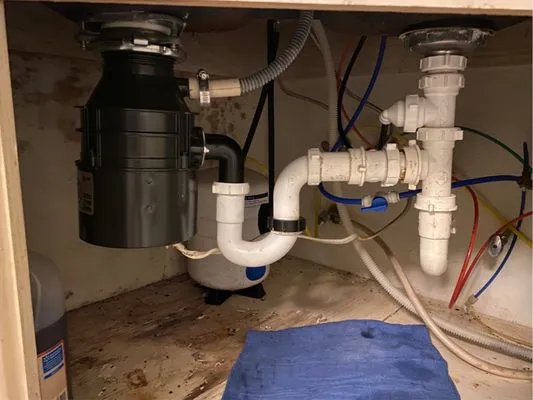
Jose Luis Plumbing is a trusted, locally-owned plumbing service dedicated to serving Charlotte homeowners and businesses. We understand the specific challenges faced in our area, from broken shutoff v...
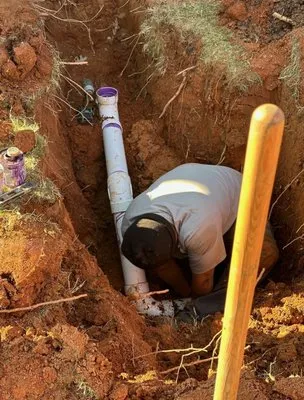
Cogar Plumbing is a trusted, family-owned plumbing service based in Winston-Salem, NC, providing reliable solutions for homeowners. As a fully licensed and bonded local business, we are committed to t...
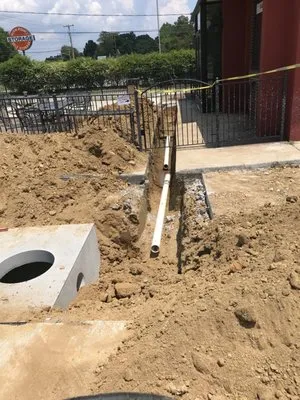
High Point Plumbing Services has been providing reliable plumbing solutions to Trinity, NC residents and businesses since 2010. As a licensed plumbing service provider, we offer a comprehensive range ...
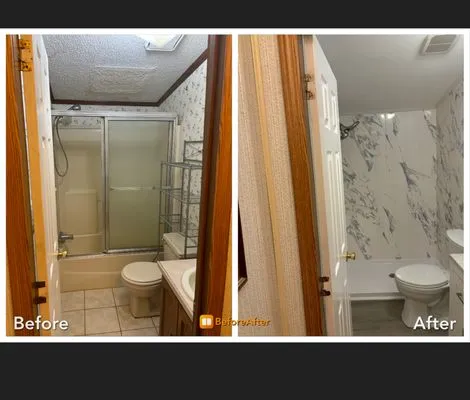
Hello, I'm Stephen, the owner of Coble's Remodeling. Since opening our doors in Greensboro back in 2016, my mission has been to provide honest, reliable service at a fair price. I've seen firsthand ho...
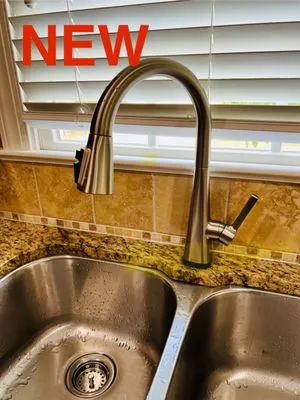
Wright Choice Plumbing is a licensed plumbing service in High Point, NC, providing reliable solutions for residential and commercial properties. Our team of certified technicians offers a comprehensiv...
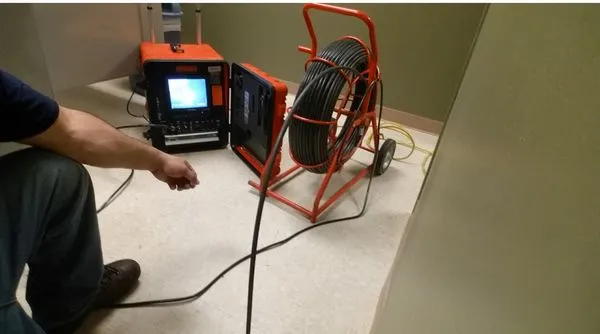
For over [implied years], Able Sewer & Drain Cleaning Service has been a trusted, family-owned plumbing resource for Greensboro. We specialize in solving drainage problems, whether it's a clogged kitc...
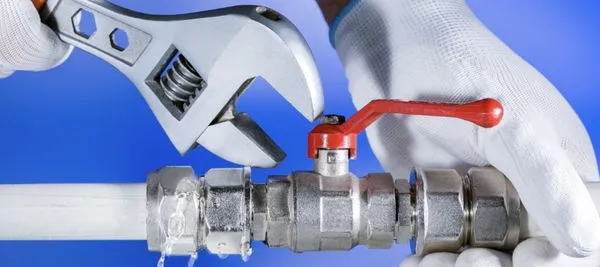
Elite Plumbing & Drain Cleaning is a licensed and trusted plumbing service provider in Asheboro, NC (License #35358). We are dedicated to delivering reliable solutions for both residential and commerc...
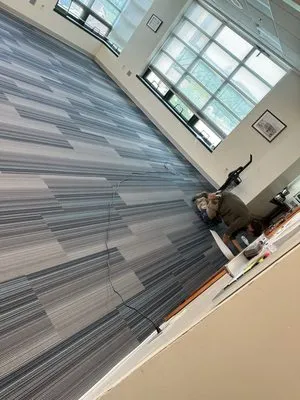
Sutphins Flooring & More
Sutphins Flooring & More is a locally owned and operated family business in Pfafftown, founded on decades of hands-on experience. Owner Travis Sutphins started in construction at age 14, honing his sk...
Hi, I'm Doug from A+ Express Drain Cleaning & Plumbing, your local Greensboro plumber. With over 25 years of experience serving our community since 2003, I've encountered just about every plumbing cha...
Cardinal Plumbing & Drain Services
Cardinal Plumbing & Drain Services is a family-owned plumbing company serving Kernersville, NC, and the surrounding Greensboro area for over 15 years. We specialize in a comprehensive range of residen...
Estimated Plumbing Costs in Jonesville, NC
Question Answers
What permits or regulations apply to plumbing work in Jonesville?
The Town of Jonesville Planning and Zoning requires permits for most plumbing modifications, especially in the historic district. As a North Carolina State Board licensed master plumber, I handle the red tape so you don't have to. This includes submitting plans, scheduling inspections, and ensuring work meets current code. Proper permitting protects your investment and maintains compliance with local ordinances.
How quickly can a plumber reach my home in Jonesville during an emergency?
Heading past Yadkin River Bridge on US-21 puts me on the main artery through town. From there, most addresses in Jonesville are 25-35 minutes away depending on specific location and traffic. I keep a truck stocked with common repair parts for galvanized systems to minimize return trips. Knowing the bridge and highway layout helps optimize response time.
Does Jonesville's hard water from the Yadkin River damage plumbing fixtures?
Yadkin River water carries minerals that deposit as scale inside pipes and appliances. Water heaters accumulate sediment in the tank bottom, reducing efficiency and shortening element life. Fixtures develop crusty buildup around aerators and showerheads, restricting flow. Over years, this mineral accumulation can completely block smaller diameter pipes in older galvanized systems.
Are there special considerations for plumbing in a rural town like Jonesville?
Many homes outside municipal water systems rely on wells and septic systems. Well pumps need regular maintenance, and hard water often requires softening treatment. Septic tanks require pumping every 3-5 years depending on household size. Pressure tanks and water treatment equipment need monitoring since there's no municipal backup. Even homes on town water should check for older galvanized service lines from the street.
Why do my pipes keep springing small leaks even though they look fine from the outside?
Galvanized steel from the late 1960s develops pinhole leaks from internal corrosion. The zinc coating wears away over decades, exposing bare steel to water that creates rust pockets. These weak spots eventually perforate, often starting at joints where dissimilar metals meet. What looks like a solid pipe from outside can be paper-thin in sections due to scale buildup restricting flow.
Could the hilly land around the Yadkin River Bridge affect my home's drainage system?
Sloping terrain puts gravitational stress on main sewer lines running downhill from homes. Soil erosion near the river can expose or damage buried pipes. Downspouts should direct water away from foundations to prevent basement or crawl space flooding. Hilly lots often require careful grading to ensure proper drainage away from the structure, especially during heavy rains when the river level rises.
What should I do to prepare my plumbing for Jonesville's spring weather changes?
Temperatures dropping to 28°F followed by spring thaw creates freeze-thaw cycles that stress pipes. Insulate exposed plumbing in crawl spaces before winter, and know where your main shutoff valve is located. During thaw periods, check for new damp spots that indicate leaks from expanded-contracted pipe joints. A pro-tip: keep cabinet doors open on cold nights to let warm air reach pipes under sinks.
My house in Main Street Historic District was built around 1969 - should I be worried about my plumbing?
Galvanized steel pipes installed in 1969 are now 57 years old. Homeowners in the historic district are seeing rust-colored water, reduced pressure from mineral buildup inside pipes, and frequent leaks at threaded joints. This material has a typical lifespan of 40-50 years, so most systems here are operating on borrowed time. Expect to find corrosion when opening walls for repairs.
