Top Emergency Plumbers in Jefferson, NC, 28640 | Compare & Call

There are 21 plumbing companies server in Jefferson NC
H&R Plumbing Service
H&R Plumbing Service has been serving Elizabethton, TN, and the surrounding communities for over 25 years. Our team combines extensive hands-on experience with ongoing professional training to provide...
Steele's Handyman Service
Steele's Handyman Service is your trusted local solution for home maintenance and repair in Estill Springs, TN. We specialize in plumbing services—from faucet and toilet repair to water pipe installat...
Southern Leak Locators serves the Mocksville, NC community by specializing in the precise detection of hidden water leaks. Utilizing advanced, non-invasive technology, the team finds leaks under concr...
Two Day Bath & Shower is a trusted bathroom remodeling company serving Arden, NC, and the surrounding areas since 2011. Fully licensed and insured, they specialize in efficient tub and shower replacem...
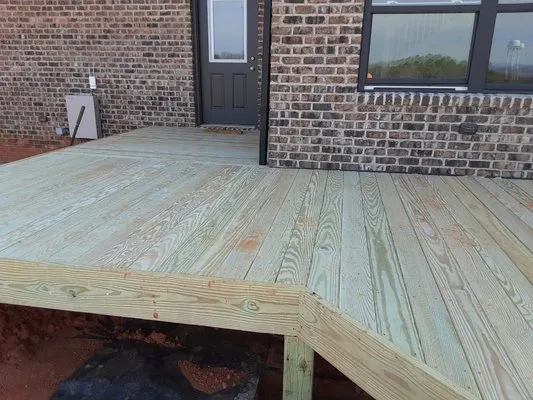
L & R Remodeling is a Morganton-based construction company with deep roots in the community. Founded by someone who started in the industry at age 13 and now brings over 40 years of experience, this b...
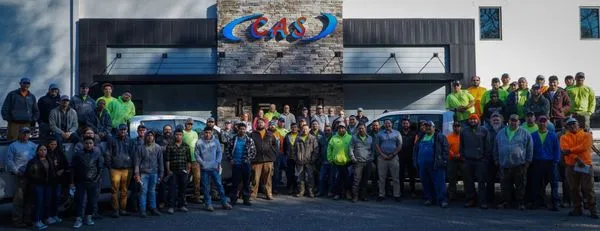
Commercial Air Systems
Commercial Air Systems, LLC, established in 2002, is a leading design-build mechanical and plumbing contractor serving the Piedmont Triad, including Elkin, NC. We specialize in solving complex HVAC, m...

Comfort Touch Heating & Cooling is a family-owned HVAC and plumbing business proudly serving residential and commercial customers in Taylorsville, NC, and the surrounding areas. Founded on principles ...

The Handy Hooker is a trusted handyman service serving Mount Airy, NC, specializing in a wide range of home repairs and installations. We focus on solving common local plumbing headaches like bathroom...
Osborne's Plumbing is a trusted, local plumbing company serving Fleetwood, NC, and the surrounding High Country. We provide comprehensive residential plumbing services to address the common challenges...
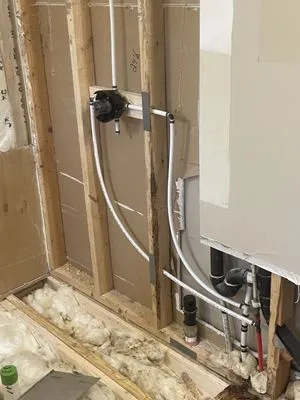
Miller Plumbing Systems
Miller Plumbing Systems has been serving Boone and surrounding communities since 1986, providing reliable plumbing solutions for both homes and businesses. Founded by Fred Miller, a licensed plumber w...
Estimated Plumbing Costs in Jefferson, NC
Question Answers
Are there special considerations for rural plumbing in Jefferson?
Rural properties typically have well systems and septic tanks that require different maintenance than municipal connections. Well pumps need regular pressure switch adjustments due to elevation changes, and septic systems demand careful water usage management to avoid overload. Water quality testing becomes essential with private wells, especially given the area's corrosive water characteristics.
Why do my 1970s copper pipes keep developing leaks?
Copper pipes from the late 1970s often fail at solder joints due to dezincification, where zinc leaches from brass fittings over decades. Pinhole leaks typically appear in hot water lines first where thermal expansion stresses aged metal. Joint calcification from mineral deposits creates weak points that fracture under normal water pressure.
How quickly can you reach my home in Jefferson?
Heading past Mount Jefferson State Natural Area on NC-16, I can typically reach most Jefferson addresses within 45-60 minutes. The route follows the main corridor through the county, avoiding backroad delays during peak seasons. I monitor traffic patterns around the state natural area to maintain consistent response times year-round.
Does water from the North Fork New River damage plumbing fixtures?
Water from the North Fork New River tends to be acidic and corrosive, which accelerates wear on water heater anode rods and brass fixtures. This acidity dissolves protective mineral layers inside pipes, leading to premature failure of water heater elements and faucet cartridges. Fixtures may show etching or pitting within 5-7 years of installation without proper treatment.
Who handles permits and inspections for plumbing work in Ashe County?
Ashe County Planning and Inspections manages local permits, while the North Carolina State Board of Examiners of Plumbing, Heating and Fire Sprinkler Contractors oversees licensing. I maintain current credentials with both entities and handle all required paperwork for installations and repairs. This ensures compliance with state codes and local regulations without homeowners navigating bureaucratic processes.
My copper pipes were installed around 1978 - what should I expect at this age?
Copper pipes installed in 1978 are now 48 years old. Homeowners in the Jefferson Historic District often see pinhole leaks developing in hot water lines first, especially near joints where solder has degraded. Scale buildup inside pipes reduces water pressure gradually over decades. You might notice blue-green stains around fixtures or small damp spots on walls before a major leak occurs.
What should I do before spring thaw to prevent plumbing problems?
Before temperatures rise above freezing consistently, disconnect garden hoses and drain outdoor faucets completely. Insulate exposed pipes in crawl spaces where 24°F lows can still occur during transitional weeks. Check your main shutoff valve operates smoothly - sediment buildup during winter months often causes valves to stick when you need them most.
How does the hilly terrain around Jefferson affect my main water line?
The steep slopes around Mount Jefferson State Natural Area create significant pressure differentials in water mains, stressing pipe joints and causing premature failure. Soil movement on hillsides can shift service lines, leading to leaks at connection points. Drainage patterns direct groundwater toward foundations, increasing corrosion risk for buried copper lines over time.
