Top Emergency Plumbers in Highlands, NC, 28741 | Compare & Call

There are 43 plumbing companies server in Highlands NC
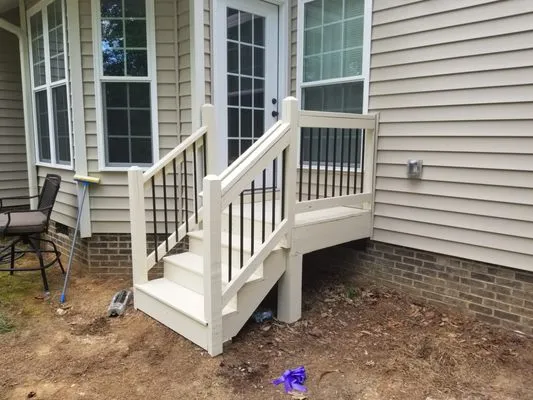
Jacked of All Trades is a trusted, full-service handyman company serving Greenville, SC homeowners. We understand the local challenges of aging plumbing systems, including septic overflow and pipe cor...
Closing Contractor is a licensed and insured home repair service based in Greenville, SC, founded in the early 2000s. We specialize in addressing repair needs identified during real estate transaction...

Roto-Rooter Plumbing & Drain Service
Roto-Rooter Plumbing & Drain Service of Anderson, SC is a locally owned and operated family business, proudly serving Anderson and Oconee Counties since 1984. Owner Abby Zaffuto carries on the traditi...
The Plumbing Experts
The Plumbing Experts is a trusted, locally owned plumbing company dedicated to serving Greenville and the surrounding communities. Our focus is on total customer satisfaction, which is why we take the...

1-Tom-Plumber
When plumbing problems disrupt your home in Greenville, 1-Tom-Plumber provides the reliable, expert service you need. We are a locally owned, full-service plumbing company available 24 hours a day, 36...
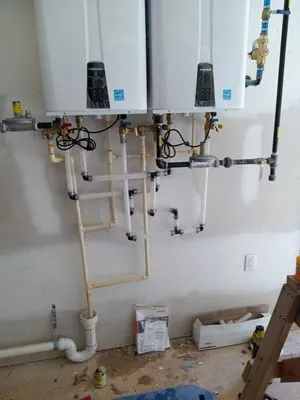
Chases Plumbing is a trusted, full-service plumbing company serving Greenville, SC, and the surrounding area. We provide expert installation, repair, and maintenance for everything from faucets and dr...
Handy Scott Handyman is your trusted local expert for home repairs and installations across Greenville, SC. We understand the common plumbing challenges Greenville homeowners face, from dishwasher lea...
Affordability Heating and Air
Affordability Heating and Air is a Greenville-based, veteran-owned home service company dedicated to providing reliable solutions for local families. Founded by an owner with 22 years of military serv...
Plumbing Heroes has been a trusted name in the Upstate's plumbing industry since the late 1990s. Our team provides dependable residential and commercial plumbing services for Taylors and surrounding c...

Spartan Plumbing is a trusted, locally-owned plumbing service serving Pickens, SC, and the surrounding communities. We provide comprehensive plumbing solutions for both homes and businesses, specializ...
Estimated Plumbing Costs in Highlands, NC
Common Questions
What permits do I need for a plumbing repair or renovation in Highlands?
The Town of Highlands Planning and Development Department handles all local permits for plumbing work. As a Master Plumber licensed by the North Carolina State Board of Examiners, I pull these permits as part of the job. This ensures the work meets current code, which is especially important for insurance and resale. My license means I handle the red tape and inspections so you don't have to navigate the process yourself.
How quickly can a plumber get to me if I have a leak?
Heading past Dry Falls on US-64 is the primary route for most service calls in the Highlands area. While traffic can vary, especially with seasonal visitors, our typical dispatch time from that corridor is 45 to 60 minutes. We plan routes to minimize response time, but the winding, two-lane nature of the roads means you should always shut off your main water valve immediately to prevent further damage while you wait.
My home is on a steep lot near Dry Falls. Could that cause plumbing issues?
Absolutely. The hilly terrain places significant stress on the main sewer line exiting your home. Gravity and soil shifting on slopes can cause pipes to sag or separate at joints, leading to blockages and backups. For water supply lines, the constant pressure from elevation changes can fatigue older copper. Proper support with strapping and regular camera inspections of the main drain line are critical for homes built on these slopes.
Are there special plumbing considerations for a rural Highlands home?
Most homes here are on private wells and septic systems, not municipal lines. That means water pressure is controlled by your well pump and pressure tank, and any drain issues directly impact your septic field. Maintaining the correct pressure setting and ensuring your septic system is pumped and inspected regularly are fundamental. A failure in either system requires specialized knowledge of the entire private water and waste cycle.
Does the water from Mirror Lake affect my home's plumbing?
Yes, the naturally soft, acidic water sourced from the Mirror Lake watershed accelerates corrosion. It aggressively attacks the protective oxide layer inside copper pipes and water heater tanks. Over years, this leads to thinned pipes and can cause premature tank failure. Installing a whole-house neutralizer or using dielectric unions at connections are common methods to mitigate this, but the water chemistry is a constant factor for hardware longevity here.
Why are so many Highlands homes having plumbing problems lately?
Most of the copper plumbing here was installed around 1978, which makes it about 48 years old now. Copper pipe has a typical lifespan of 40-50 years. In Mirror Lake and across the area, we're seeing the predictable end-of-life phase where pipes are becoming thin and brittle. Homeowners are noticing increased frequency of leaks, especially behind walls and under slabs, as the material simply wears out from decades of use.
What's the best way to prepare my plumbing for a Highlands winter?
The key is to act before temperatures hit the mid-20s. Insulate all pipes in unheated crawl spaces and disconnect garden hoses. For vacant homes, the pro-tip is to set the thermostat no lower than 55°F and to shut off the water at the main valve, then drain the lines. Spring thaw is actually a higher-risk period for leaks, as frozen pipes thaw and reveal cracks that formed during the freeze, so a slow, controlled warm-up is advised.
What causes those small, persistent leaks in my copper pipes?
Copper pipes from the late 1970s are now prone to pinhole leaks, a form of corrosion failure from the inside out. After nearly five decades, the protective interior scale can break down, allowing acidic water to erode weak spots. This creates tiny holes that spray water, often hidden inside walls. Repairs typically involve cutting out the degraded section and soldering in new copper, but widespread pinholes often indicate the entire pipe run is failing.
