Top Emergency Plumbers in Columbus, NC, 28722 | Compare & Call

There are 81 plumbing companies server in Columbus NC
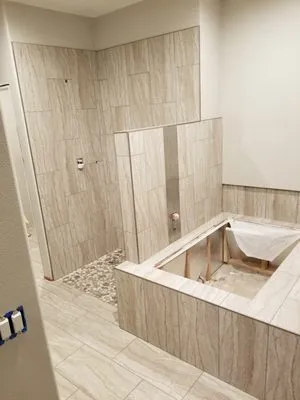
PRO Tile Specialist is a trusted, locally-owned and operated business in Chesnee, SC, dedicated to solving common home plumbing and tiling problems. We specialize in a comprehensive range of services,...
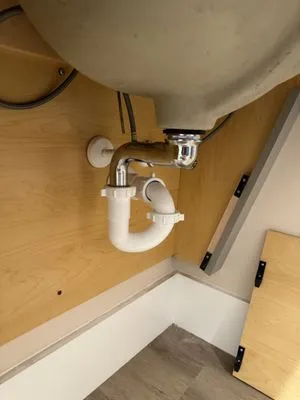
Three Sons Plumbing is a trusted, family-owned plumbing service proudly serving Simpsonville, SC, and the surrounding communities. We specialize in a comprehensive range of services, from routine repa...
Five Star Plumbing Heating Cooling Electric
At Five Star Plumbing Heating Cooling Electric, we have been the trusted home service provider for Greer and the Upstate since 1984. Our journey started with electrical and plumbing expertise, and we'...

Preferred Home Services
Preferred Home Services is a locally owned and operated HVAC, plumbing, and electrical company serving Greenville, SC. Founded by Dave Geiger, Kyle Geiger, and Chris DiCampli—third and fourth-generati...

Roto Rooter Plumbing and Drain Service
Roto-Rooter Plumbing & Drain Service of Greenville, SC is a locally owned and operated franchise proudly run by the Zaffuto family, with Abby Z. as the second-generation owner following her father Gar...
Closing Contractor is a licensed and insured home repair service based in Greenville, SC, founded in the early 2000s. We specialize in addressing repair needs identified during real estate transaction...
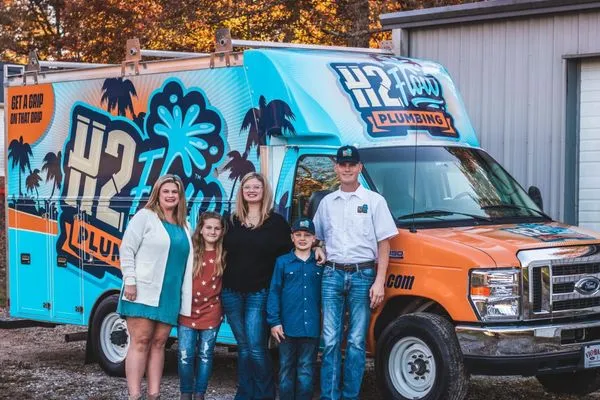
Founded by Phillip in 2017, H2Flow Plumbing is a locally owned and operated service built on nearly two decades of industry experience. With a background in both new construction and service plumbing,...
The Plumbing Experts
The Plumbing Experts is a trusted, locally owned plumbing company dedicated to serving Greenville and the surrounding communities. Our focus is on total customer satisfaction, which is why we take the...

Mr. Rooter Plumbing of Greenville
Mr. Rooter Plumbing of Greenville is your locally owned and operated plumbing partner, rooted in a national tradition of honest pricing and quality work that began in 1970. As part of a network with o...

Waldrop Plumbing Heating & Air
Since 1970, Waldrop Plumbing Heating & Air has been a trusted name for home services in Duncan and across the Upstate. Founded by Benny Waldrop with a single employee, the company has grown into a loc...
Estimated Plumbing Costs in Columbus, NC
FAQs
Do I need a permit to replace my water heater in Polk County?
Yes, most plumbing work in Polk County requires a permit from the Planning and Development Department. As a licensed Master Plumber credentialed by the North Carolina State Board of Examiners, I pull all necessary permits and schedule the required inspections. This ensures the work meets current code for safety and insurance purposes, and it handles the red tape so you don't have to.
What's the most important thing to do with my plumbing before winter in Columbus?
Our temperate climate means the real risk isn't sustained deep freeze, but the rapid temperature swings around that 28-degree low. A key pro-tip is to disconnect and drain all outdoor hoses before the first hard freeze. Trapped water in a hose bib can back up and burst the pipe inside your wall, a common and entirely preventable spring thaw emergency.
My copper plumbing is original to my 1970s home. Should I be concerned about its condition?
Copper pipe from 1970 is now 56 years old, which is near the end of its typical service life for our area. Downtown Columbus homeowners are currently reporting a pattern of pinhole leaks, especially in hot water lines. This happens because decades of exposure to our specific water chemistry have thinned the pipe walls. It's a predictable failure point for homes of this vintage, and a full inspection of your supply lines is advisable.
Does the water from Lake Adger damage my plumbing fixtures or water heater?
Water sourced from Lake Adger tends to be soft and acidic, which is corrosive to metal components. Over time, this acidity can eat away at the anode rod in your water heater and cause premature tank failure. It also leads to blue-green staining on fixtures and accelerates wear on valve seats and washers. Installing a neutralizing filter or using a powered anode rod are common solutions here.
Why do I keep getting small, persistent leaks in my copper pipes?
This is a classic symptom of aged copper systems installed around 1970. A process called dezincification or erosion corrosion creates weak spots, leading to pinhole leaks. It often starts where hot and cold lines meet at fixtures due to electrolytic action. Repairs can be temporary; the underlying issue is systemic wear on the entire piping network.
How fast can a plumber get to my house in an emergency in Columbus?
From our central dispatch point, we head past the Polk County Courthouse on US-74. Depending on your exact location off that corridor, our average response time is 45 to 60 minutes. We factor in the winding roads around Lake Adger and other rural routes to give you an accurate ETA the moment you call.
Could the hilly land around my home be causing my drainage problems?
Absolutely. The hilly terrain around Polk County Courthouse and throughout the area puts constant, uneven stress on main sewer lines and drainage pipes. Gravity works harder on slopes, which can lead to sagging or bellied pipes that collect debris and cause blockages. It also affects how surface water runs toward your foundation, potentially overwhelming perimeter drains.
I'm on a well and septic system outside of town. What plumbing issues are unique to my setup?
Rural systems here require specific maintenance. Your well pump and pressure tank are critical; sediment or scale from our water can shorten their lifespan. For septic, the hilly terrain means your drain field must be properly graded to function. We often see failures where systems were installed on too steep a slope, causing effluent to surface or back up into the home.
