Top Emergency Plumbers in Clyde, NC, 28721 | Compare & Call

There are 37 plumbing companies server in Clyde NC
A Total Repair Services is a locally owned and operated home repair and remodeling company serving Old Fort, NC. Founded by a professional with extensive background in material management and producti...

Blue Sky Plumbing is a trusted, locally-owned plumbing contractor proudly serving Mars Hill, Asheville, and the surrounding Western North Carolina communities. With over 12 years of dedicated service,...
Roto-Rooter Plumbing & Drain Service
Roto-Rooter Plumbing & Drain Service in Arden, NC, is a locally owned and operated franchise run by the Zaffuto family, proudly serving Western North Carolina since 1984. As a second-generation owner,...
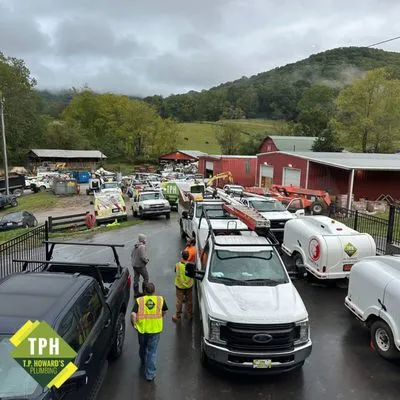
Since 1983, TP Howard's Plumbing has been the trusted local plumbing partner for Fairview and the greater Asheville area. As a licensed, full-service company, we specialize in everything from routine ...
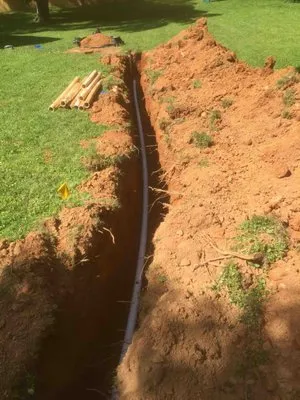
All About Plumbing
All About Plumbing is a trusted, family-owned plumbing and septic service serving Mills River and Western North Carolina since 2011. Founded by Alex Wilson, the business is now managed by his sons, Ca...
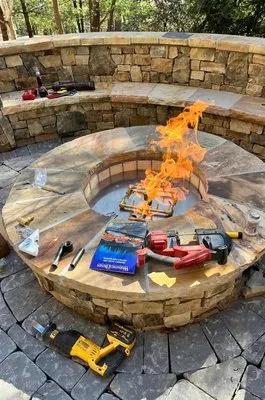
Mil-Spec Gas Works is a trusted, local provider of gas and plumbing services for Candler, NC, and the surrounding areas. We specialize in the safe installation, repair, and maintenance of gas lines, w...
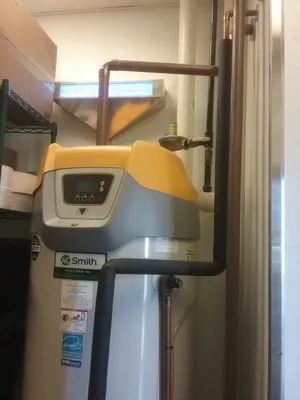
PlumbSmart Plumbing and Drains
For over 20 years, PlumbSmart Plumbing and Drains has been serving Asheville with a simple philosophy: to be your plumber, not just a plumber. We believe everyone deserves honest information and respe...
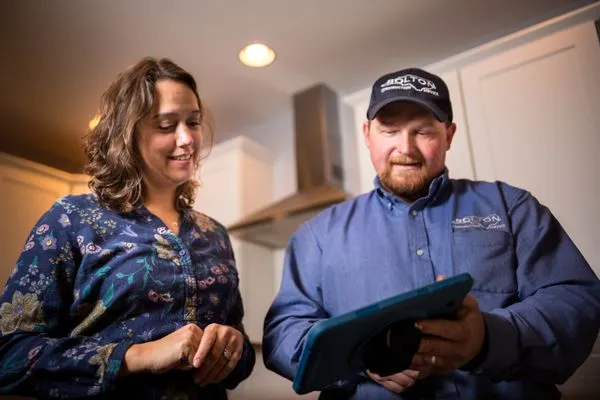
Bolton Services Of WNC
Since 1925, Bolton Services of WNC has been a trusted, family-owned provider of heating, air conditioning, plumbing, and electrical services in the Asheville area. Founded by William E. Bolton Sr. aft...

Pinnacle Plumbing Solutions is a trusted, locally-owned plumbing contractor serving Hendersonville and Western North Carolina with over thirty years of dedicated experience. We specialize in a compreh...

Two Day Bath & Shower is a trusted bathroom remodeling company serving Arden, NC, and the surrounding areas since 2011. Fully licensed and insured, they specialize in efficient tub and shower replacem...
Estimated Plumbing Costs in Clyde, NC
Question Answers
Does Pigeon River water affect my plumbing fixtures?
The acidic water from the Pigeon River accelerates corrosion in water heaters and fixtures. You'll see this as premature failure of anode rods in tanks or pitting on chrome finishes. Installing a whole-house neutralizer helps, but the minerals in our water still cause scale buildup that reduces appliance lifespan. Regular maintenance becomes more critical with this water chemistry.
What's the best way to prepare my Clyde home for spring plumbing issues?
Spring thaw brings the highest risk of pipe bursts as temperatures swing above and below freezing. Insulate exposed pipes in crawl spaces before March, and keep cabinet doors open during cold snaps to allow warm air circulation. Drain outdoor spigots completely before winter ends—trapped water expands during overnight freezes and cracks fittings. A pro-tip: mark your main shutoff valve clearly so anyone can find it quickly.
Who handles permits for plumbing work in Haywood County?
Haywood County Planning and Development manages local permits, while the North Carolina State Board of Examiners oversees contractor licensing. As a master plumber licensed by both, I coordinate all required inspections and paperwork. Homeowners shouldn't navigate this bureaucracy alone—proper documentation protects your investment and ensures work meets current code standards for safety and resale value.
Why do my 1980s copper pipes keep developing small leaks?
Copper pipes from that era often develop pinhole leaks due to electrolytic corrosion. The thin walls of Type M copper used in many 1986 builds are particularly vulnerable after 40 years of service. You might notice blue-green stains or damp spots before actual dripping starts. These leaks typically occur where pipes contact dissimilar metals or in areas with turbulent water flow.
How does Clyde's hilly terrain impact my home's drainage system?
The slope around Haywood Community College and throughout Clyde puts constant stress on main sewer lines. Gravity works harder on downhill runs, which can lead to joint separation over time. Uphill properties often deal with slow drainage as waste fights gravity. Proper grading around your foundation is essential—improper drainage channels water toward your home instead of away from it.
How quickly can a plumber reach my home in Clyde?
Heading past Haywood Community College on US-19/23 gets me into the Clyde area efficiently. Most calls take 45-60 minutes from dispatch to arrival. That route avoids backroad delays while maintaining reasonable response times for emergencies like burst pipes or water heater failures.
My Clyde Historic District home was built around 1986. What should I expect from my plumbing now?
Your copper pipes are about 40 years old, which is when many systems start showing wear. Homeowners in the district often notice pinhole leaks in supply lines or green corrosion at joints. This happens because the protective oxide layer breaks down over decades. Regular inspections can catch these issues before they become major water damage problems.
Are there special plumbing considerations for rural Clyde homes?
Rural properties here typically have wells and septic systems rather than municipal connections. Well pumps need regular pressure checks, and septic tanks require pumping every 3-5 years depending on household size. Without city water pressure, you might notice slower fixture performance. Also, tree roots seek out septic field moisture, so keep large vegetation away from drainage areas.
