Top Emergency Plumbers in Bunnlevel, NC, 28323 | Compare & Call

There are 164 plumbing companies server in Bunnlevel NC
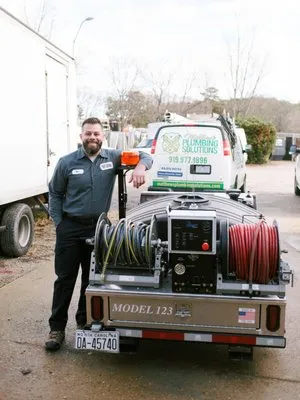
Matthew's Plumbing Solutions
Matthew's Plumbing Solutions is a locally-owned and operated plumbing service proudly serving Raleigh and the greater Triangle area. Founded in 2017 by Matthew, the company was built on the principles...
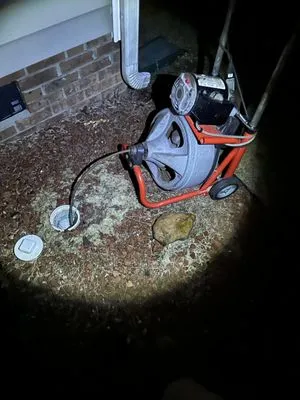
At Rayan's Plumbing & Electrical Services (RPES) in Raleigh, we believe in straightforward, dependable home service. Founded on the principle of honest work for a fair price, our independent team is d...
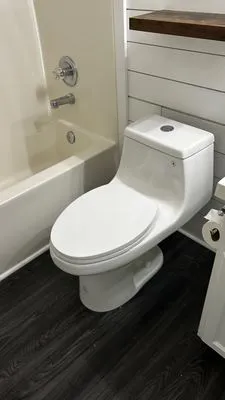
Jayk's is a licensed plumbing and handyman service based in Durham, NC, founded by Jason C. With over 16 years of experience in plumbing and a background in various construction areas since age 15, th...
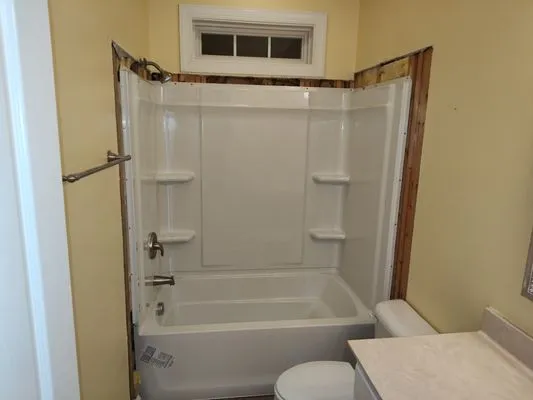
Certified Plumbing is a licensed plumbing service provider based in Garner, NC, offering comprehensive plumbing solutions for residential and commercial clients throughout Garner and surrounding areas...
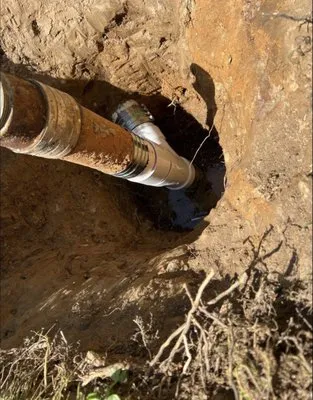
Thor's Plumbing Solutions is a family-operated, licensed plumbing service (Certification # L-36784) serving Hillsborough and the surrounding area. Established in 2024 by local plumber Theron 'Thor' Wi...

Gas Masters
Gas Masters is a locally owned and operated home-service company in Raleigh, NC, specializing in residential gas piping installations and service. We provide new gas line installations, gas appliance ...
Plumbing Fixologist is a licensed, full-service plumbing company dedicated to serving Raleigh, NC, and the surrounding communities. We operate 24 hours a day to provide reliable plumbing solutions for...
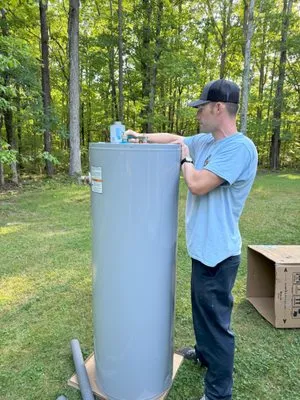
Big Dawg's Plumbing Services
Big Dawg's Plumbing Services is a trusted, experienced plumbing company serving Raleigh, Creedmoor, Wake Forest, and surrounding areas. We specialize in comprehensive residential and commercial plumbi...
Alem is a locally owned, full-service residential contractor in Raleigh, NC, with deep roots in the community. Since starting in 2012 as a real estate agent and investor, we've grown into a comprehens...
The Art of Plumbing
The Art of Plumbing is a family-owned plumbing service founded by Eugene in 2009, serving Cary, NC and surrounding areas. With over 75 years of combined experience, we provide reliable plumbing soluti...
Estimated Plumbing Costs in Bunnlevel, NC
Frequently Asked Questions
What permits or inspections are needed for a water heater replacement in Harnett County?
Harnett County Development Services requires a permit for a water heater replacement, which includes an inspection. As a Master Plumber licensed by the North Carolina State Board of Examiners of Plumbing, Heating and Fire Sprinkler Contractors, I pull that permit and schedule the inspection as part of the job. My license means I handle the red tape and guarantee the work meets state and county code, so you don't have to navigate that process yourself.
My house was built in the early 90s and I'm starting to get leaks. Is this normal for Bunnlevel?
That tracks with what I see daily. Copper pipes installed around 1990 are now 36 years old, which is a critical lifespan for this material in our area. Homeowners in Bunnlevel Center are frequently calling about pinhole leaks appearing in walls or ceilings. The natural corrosion process, accelerated by our water chemistry, has reached a point where the pipe walls are thinning system-wide. It's not a question of if, but when and where the next leak will spring.
Are there special plumbing concerns for a rural home like mine off US-401?
Yes, rural systems operate independently. Your well pump and pressure tank are critical components that municipal homes don't have; their failure means no water at all. Your septic system's drain field is also part of the plumbing equation. A backup inside often points to a full septic tank or a failing field, not just a clogged pipe. Maintaining these systems requires a different approach than dealing with city sewer and water.
What should I do to prepare my pipes for winter or spring in Bunnlevel?
Our lows around 31°F mean freeze risks are brief but real for exposed pipes in crawlspaces. The bigger seasonal issue is the Spring Thaw. As the ground saturates, it can shift foundation piers and put new stress on already-aged main sewer lines. A pro-tip for this temperate climate is to visually inspect your main drain cleanout in early spring for any new settlement or signs of leakage, as that's when hidden problems often surface.
Why does my water heater keep failing and my showerheads get clogged with white crust?
That's scale buildup from our hard water, which originates from the mineral-rich Cape Fear River aquifer. Inside your water heater, that scale acts as an insulator on the heating elements, forcing them to work harder and burn out prematurely. On fixtures and inside faucet cartridges, the mineral deposits restrict flow and seize up moving parts. Without a water softener or regular descaling, this significantly shortens the lifespan of all your water-using appliances.
What exactly is failing in my 1990s copper pipes?
The primary failure mode for copper of that vintage is pitting corrosion, which leads to pinhole leaks. Over 36 years, microscopic imperfections in the pipe's interior lining, combined with minerals in the Cape Fear River source water, create concentrated spots of corrosion. These pits deepen until they penetrate the wall. You'll also see solder joints at fittings becoming brittle and calcified, losing their seal. It's a predictable aging process for this material in our environment.
If I have a plumbing emergency, how long does it take for a plumber to get here?
My dispatch route typically starts from the Anderson Creek area. Heading past Anderson Creek on US-401, I can usually reach most homes in the Bunnlevel community within 45 to 60 minutes, traffic depending. That's the realistic window for an emergency call-out. I keep my truck stocked for the common failures we see here, so I'm often rolling with the specific parts you'll need already on board.
Could the flat land around here be causing my slow drains?
It can, especially for properties near the natural drainage paths of Anderson Creek. The plain terrain means there's very little natural slope in your sewer line to keep solids moving. Over decades, greases and debris can settle and create a complete blockage. I also see main lines stressed where the soil, which holds more moisture in these low-lying areas, has shifted and put a belly or a low spot in the pipe.
