Top Emergency Plumbers in Wye, MT, 59808 | Compare & Call

There are 73 plumbing companies server in Wye MT
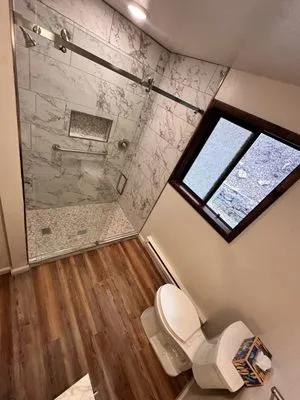
Sunrise Services is a trusted Missoula-based remodeling and plumbing company dedicated to enhancing homes throughout the local community. We specialize in comprehensive bathroom and kitchen remodeling...
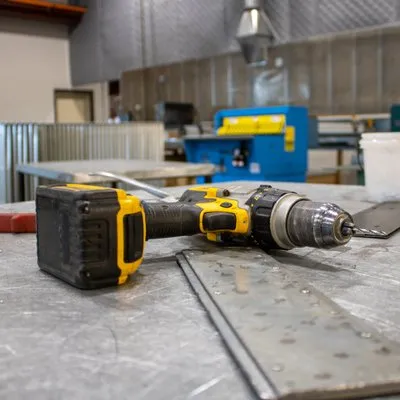
Garden City Plumbing & Heating
Garden City Plumbing & Heating has been a trusted family-owned plumbing and HVAC contractor serving Missoula, Montana, since 1985. Founded by Bill, the company provides reliable installation, maintena...
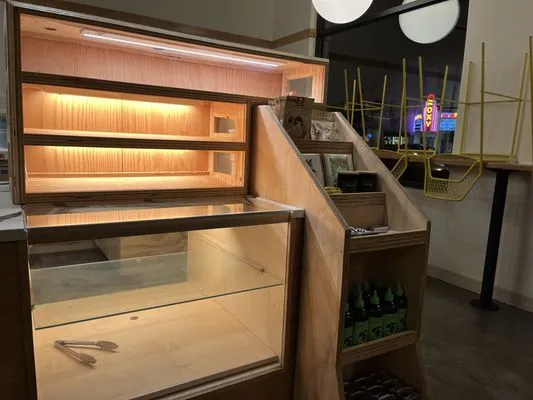
Missoula Home Repair is your local, trusted handyman service in Missoula, MT, dedicated to keeping your home running smoothly through every season. We understand that Missoula homeowners face unique c...

Bill's 24
Bill's 24 Hour Plumbing, LLC is a trusted, locally-owned plumbing service serving Missoula and the surrounding area. As a licensed Master Plumber with over 33 years of experience (License #1828PM), Bi...
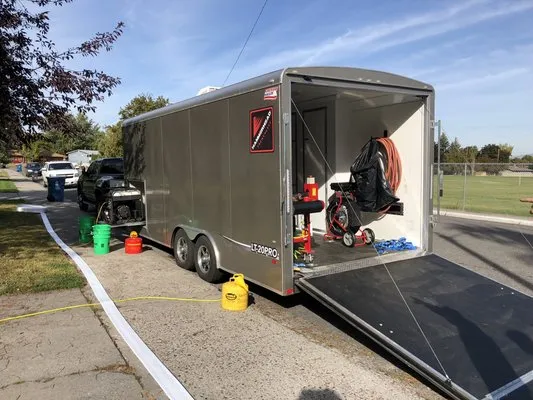
Montana Plumbing Company
Montana Plumbing Company brings a foundation of deep local experience to every job. Since starting in the trade in 1994, the team has grown from journeyman to Master Plumber, earning certifications in...
R & S Plumbing And Drain Service has been a trusted plumbing provider in Missoula, MT, and surrounding areas since 1999. Founded by Master Plumber Ray, who is fully licensed in Montana, the company of...
Elevated Plumbing, LLC has been a trusted resource for Missoula-area residents since 2019, founded by a Master Plumber with over two decades of hands-on experience. Based in Missoula, we provide relia...
Mickelson Plumbing & Heating
Andy Mickelson, a Master Plumber with extensive experience serving the Missoula Valley, leads Mickelson Plumbing & Heating. His background spans residential, commercial, and industrial plumbing and he...
Fred's Plumbing & Heating
Fred's Plumbing & Heating is a local, family-owned Missoula business with deep roots in the community. Founded by Fred Bohlman in 1988, the company is now operated by his son, Rick, who earned his Mas...

Gavlak Plumbing & Heating
Gavlak Plumbing & Heating is a trusted local provider of plumbing and HVAC services in Missoula, MT, with over 30 years of combined experience. We specialize in residential and commercial plumbing ins...
Estimated Plumbing Costs in Wye, MT
FAQs
Are there special plumbing considerations for a rural home in Wye, MT?
Rural plumbing here revolves around the private well and septic system. The well pump, pressure tank, and all associated valves are your responsibility to maintain. Septic system health is paramount; what goes down your drains directly affects the leach field. Avoid garbage disposals and be mindful of water usage during large gatherings to prevent overloading the system. There's no city sewer backup, so a failure means a costly repair or replacement on your property.
What's the most important spring plumbing maintenance for Wye's climate?
The critical task is checking all exterior hose bibs and your main water shut-off valve after the last freeze, before the spring thaw hits its peak. Temperatures here can dip to around 18°F, which is enough to freeze and crack unprotected pipes. A pro-tip is to ensure your foundation vents are closed in late fall and that any pipes in unheated crawl spaces are properly insulated. This prevents the freeze-thaw cycle from causing a burst pipe when you least expect it.
How fast can a plumber get to a house in the Wye area for an emergency?
My typical dispatch route starts from the Clark Fork River area. Heading east on I-90, I can reach most homes in the Wye Community within 45 to 60 minutes, depending on the specific location off the interstate. This timing accounts for navigating rural roads and driveways. For critical leaks, that window is the standard for getting a licensed professional on-site to shut off the water and assess the damage.
What kind of plumbing issues should I expect in my 2012-built Wye home?
Homes built around 2012 in Wye Community have galvanized steel pipes that are now 14 years old. At this age, the protective zinc coating inside the pipe is often fully depleted, exposing the raw steel to our area's hard water. You'll likely notice a significant drop in water pressure or see rust-colored water from your taps. This is the stage where internal corrosion accelerates, setting up the system for leaks at threaded joints and fittings.
Does having a private well with hard water damage my plumbing fixtures?
Yes, the mineral-heavy water from a private well directly impacts your home's hardware. Scale buildup from calcium and magnesium will coat the inside of water heaters, reducing efficiency and shortening their lifespan. It also clogs aerators on faucets and the small jets in showerheads. Over time, this abrasive scale can wear out washerless cartridge valves in your fixtures, leading to drips and requiring more frequent replacements than with treated municipal water.
Why are my galvanized pipes suddenly leaking after all these years?
Galvanized steel installed in 2012 is prone to pinhole leaks as the interior corrodes. The hard water common here accelerates scale buildup, which constricts flow and creates internal pressure points. These weak spots, combined with the natural breakdown of the pipe's interior lining, eventually fail. The leaks often appear first at the dielectric unions where steel meets copper, or at the threaded joints that have been stressed by thermal expansion and contraction over 14 years.
Can the hilly terrain in Wye affect my home's drainage or sewer line?
The slope of the land here absolutely stresses drainage systems. For homes built on hillsides, the constant gravitational pull can put extra strain on the main sewer line, leading to joint separation over time. Soil erosion near the Clark Fork River can also expose and destabilize buried pipes. Downspouts and yard drainage must be directed well away from the foundation; otherwise, stormwater will follow the hill's path and can undermine your home's plumbing infrastructure.
Who handles the permits if I need to repipe my house in Missoula County?
Any major plumbing repair or repipe requires a permit from the Missoula County Building Division. As a master plumber licensed by the Montana Department of Labor and Industry, I pull those permits, schedule the required inspections, and ensure the work meets all current codes. My credential number is on every permit. This process handles the red tape for you, guaranteeing the work is documented correctly for your home's records and any future sale.
