Top Emergency Plumbers in Stevensville, MT, 59870 | Compare & Call

There are 26 plumbing companies server in Stevensville MT
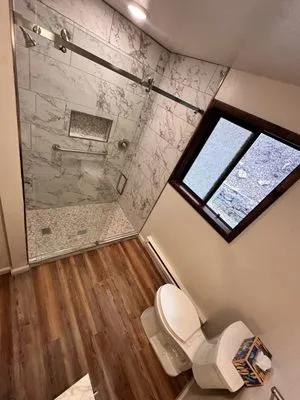
Sunrise Services is a trusted Missoula-based remodeling and plumbing company dedicated to enhancing homes throughout the local community. We specialize in comprehensive bathroom and kitchen remodeling...
Garden City Plumbing & Heating
Garden City Plumbing & Heating has been a trusted family-owned plumbing and HVAC contractor serving Missoula, Montana, since 1985. Founded by Bill, the company provides reliable installation, maintena...

West Plumbing & Heating
West Plumbing & Heating has been serving Missoula since 2007, founded by owner Cory West. Starting as a small residential construction and remodeling specialist, the company expanded into commercial n...
Raptor Plumbing is a family-owned and operated plumbing service based in Florence, MT, with deep roots in the Missoula Valley and Bitterroot Valley. Born and raised in Missoula, our team brings local ...

Plumb-Tech Plumbing & Heating Missoula
Plumb-Tech Plumbing & Heating Missoula is owned and operated by Kylon and Teliah, a husband-and-wife team who took over the business in 2021 after working together for over a decade. With a combined b...
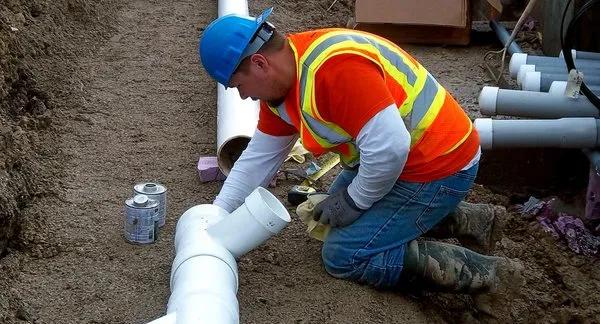
Sentinel Mechanical is a trusted plumbing and heating contractor serving Missoula since 1987. We bring over three decades of local experience to both commercial construction projects and residential h...
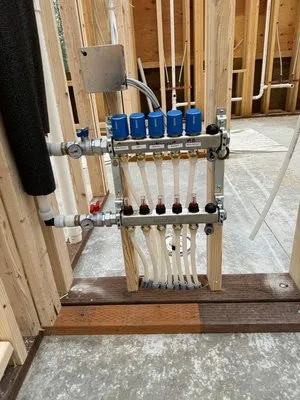
Dutton Plumbing and Heating
Dutton Plumbing and Heating is a family-owned and operated business dedicated to serving Missoula, MT, and the surrounding communities. Founded by a husband-and-wife team who are passionate about thei...

Right Now Plumbing and Heating is a licensed, full-service provider serving Missoula, Hamilton, and the surrounding Montana communities. We specialize in both plumbing and HVAC solutions, from routine...
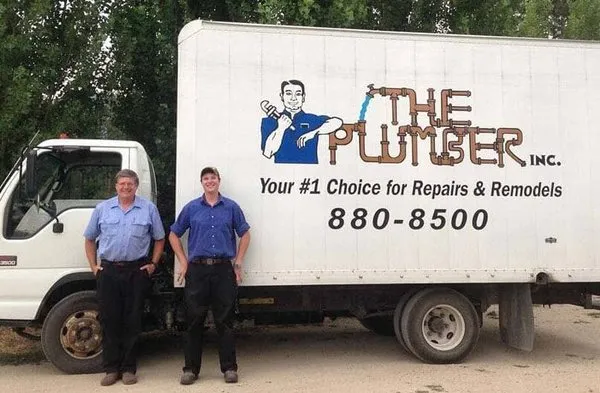
Hello, I'm Bryan Sorenson. For over 35 years, my team and I have served as the trusted local plumber for Stevensville and the surrounding Western Montana communities, from Sula to Seely Lake. We belie...

Comfort Systems USA Temp Right Service
Comfort Systems USA Temp Right Service in Missoula, MT, is a locally owned and operated provider that has been serving Western Montana's heating, cooling, and plumbing needs since 1977. With a team of...
Estimated Plumbing Costs in Stevensville, MT
Frequently Asked Questions
What should I do before spring thaw to prevent plumbing problems?
Before temperatures rise above freezing consistently, disconnect garden hoses and drain outdoor faucets. Insulate exposed pipes in crawl spaces and basements where 18-degree nights still occur. Check your main water shutoff valve for smooth operation since spring thaw can reveal hidden leaks. These steps prevent burst pipes when frozen sections thaw and pressure changes occur throughout the system.
My Stevensville Orchard home was built around 1980 - should I be worried about my plumbing?
Copper pipes installed in 1980 are now 46 years old, which is near the end of their typical service life. Homeowners in Stevensville Orchard are seeing pinhole leaks develop in bathroom walls and under kitchen sinks. The copper has thinned from decades of mineral interaction with our hard water, and joints are showing calcification buildup. These small leaks often start as damp spots before becoming visible drips.
Why do my 1980s copper pipes keep springing pinhole leaks?
Copper pipes from that era experience pitting corrosion after 40+ years of service. The combination of hard water minerals and slight acidity in our water creates microscopic weak spots that eventually penetrate the pipe wall. These pinhole leaks typically appear in horizontal runs and at joints where water turbulence accelerates wear. Replacing affected sections with dielectric unions prevents galvanic corrosion between dissimilar metals.
How does Stevensville's hilly terrain affect my home's drainage?
The slope around properties near St. Mary's Mission creates drainage challenges that stress main sewer lines. Gravity pulls wastewater downhill, but soil shifting on inclines can misalign pipe joints over time. Heavy rain runoff adds pressure to already stressed systems. Properly graded drainage away from your foundation prevents backup issues and reduces strain on the main line connection.
What permits do I need for plumbing work in Stevensville, and who handles them?
The Town of Stevensville Planning and Building Department requires permits for most plumbing modifications, while the Montana Department of Labor and Industry Building Codes Bureau sets statewide standards. As a licensed master plumber, I secure necessary permits and ensure all work meets current codes. This approach handles the red tape so homeowners avoid compliance issues during inspections or future property transfers.
How quickly can a plumber reach my home in Stevensville during an emergency?
Heading past St. Mary's Mission on US-93, I can reach most Stevensville addresses within 45-60 minutes. The route follows the main corridor through town with predictable traffic patterns. This response time accounts for navigating our hilly terrain while maintaining safe driving speeds with emergency equipment.
As a rural Stevensville homeowner, what unique plumbing issues should I watch for?
Rural properties here typically have well and septic systems that require different maintenance than municipal connections. Well pumps need regular pressure checks, and septic tanks require pumping every 3-5 years depending on household size. Water quality testing helps identify mineral levels that affect plumbing longevity. These systems operate independently from town infrastructure, so proactive maintenance prevents major disruptions.
Does Bitterroot River water damage my home's plumbing fixtures?
Water sourced from the Bitterroot River carries high mineral content that creates scale buildup throughout your plumbing system. Water heaters accumulate sediment that reduces efficiency and can cause premature failure. Fixtures develop restricted flow from mineral deposits, and showerheads lose pressure over time. Installing a whole-house water softener protects appliances and maintains fixture performance.
