Top Emergency Plumbers in Shelby, MT, 59474 | Compare & Call

There are 13 plumbing companies server in Shelby MT

Sawtooth Mechanical & Construction
Sawtooth Mechanical & Construction is a trusted, locally-owned service provider dedicated to the unique needs of Montana's rural communities. Based in Great Falls, we specialize in plumbing, HVAC, exc...
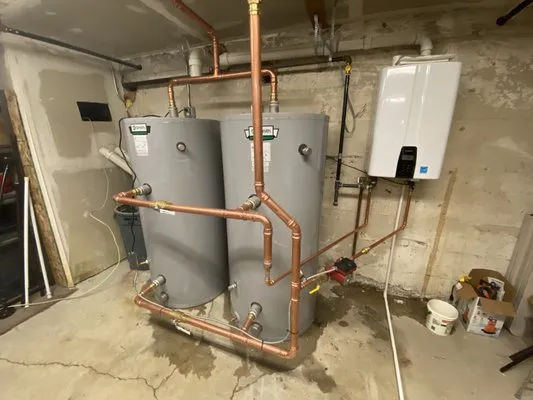
Sawtooth Mechanical and Construction
Sawtooth Mechanical and Construction is a trusted local provider in Augusta, MT, specializing in mechanical and construction services for rural homes and businesses. We understand the unique challenge...
406 Drain Solutions is a locally owned and operated plumbing service in Great Falls, MT, specializing in comprehensive drain, sewer, and plumbing solutions. Led by owner Chad Fowler, the team is dedic...
First Choice Plumbing is your trusted local plumbing expert serving Shelby, MT, and the surrounding area. We specialize in professional plumbing inspections to help homeowners identify and prevent cos...
Bain's Plumbing & Heating is your trusted, family-owned plumbing expert in Conrad, MT. We specialize in proactive plumbing inspections to help local homeowners prevent and resolve the common, costly i...
Cut Bank Plumbing & Heating is a trusted local plumbing service based in Cut Bank, MT, dedicated to helping homeowners tackle common regional plumbing challenges. Many homes in the area face issues li...
Hemmer Plumbing & Heating is your trusted, locally-owned plumbing and heating expert in Shelby, MT. We understand the unique challenges Montana winters bring to your home's plumbing, especially the ri...
D & J Roto Rooter Service is Cut Bank's trusted local plumbing expert, providing reliable solutions for residents and businesses. We specialize in addressing common local plumbing challenges like brok...
Dry Fork Plumbing & Heating is your trusted local plumbing expert in Conrad, MT, dedicated to keeping homes and businesses running smoothly. We specialize in thorough plumbing inspections to proactive...
Monroe Vern Country Haven is a trusted plumbing service in Valier, Montana, specializing in thorough plumbing inspections to address the area's common issues of old pipe corrosion and hard water build...
Estimated Plumbing Costs in Shelby, MT
FAQs
Why do my old galvanized pipes keep springing pinhole leaks?
Galvanized steel installed in 1964 has likely lost its protective zinc coating through decades of contact with our hard water. This leaves the raw iron exposed, causing accelerated corrosion. The pipes thin from the inside, creating weak spots that fail under normal water pressure. These pinhole leaks often appear at threaded joints or along horizontal runs where sediment and moisture accelerate the decay.
My home in Shelby was built in the 1960s. What kind of plumbing problems should I expect?
Homes built around 1964 now have galvanized steel pipes that are 62 years old. Their lifespan is 50 to 70 years, so you're in the critical failure window. In Downtown Shelby, homeowners are seeing severely restricted water flow and brownish water from internal rust and scale. The pipes don't just clog; they corrode from the inside out, leading to sudden leaks in walls or under floors.
How fast can a plumber get to my house in Shelby if I have a burst pipe?
A dispatch from our shop near the Marias Museum of History and Art typically takes 45 to 60 minutes for most Shelby calls. The route heads past the museum to access I-15, which is the main artery for reaching properties across the plain. We factor in local conditions, but that highway access allows for a consistent response to emergencies on the outskirts of town.
Could the flat land around Shelby cause drainage problems for my home's main sewer line?
The plain terrain lacks the natural slope for ideal drainage, especially near the Marias Museum. Over decades, this can cause soil to settle unevenly around the buried main line running from your house to the street. That settling puts stress on the pipe, leading to bellies or low spots where waste collects and causes repeated clogs. It also makes the older cast iron or clay pipes more susceptible to root intrusion and breakage.
Does the hard water from the Marias River damage my plumbing fixtures?
Yes, the mineral content in our local water leads to significant scale buildup. Inside a water heater, this scale acts as an insulator, forcing the unit to work harder and shortening its life. On faucet cartridges and shower valves, the scale restricts movement and water flow, causing handles to stick and requiring premature replacement. Anode rod depletion in the water heater also accelerates in this environment.
I'm on a well and septic system outside of town. Are my plumbing issues different?
They are. Your well pump and pressure tank are critical components that city homes don't have. Hard water scaling can clog the pump intake and damage pressure switches. For the septic system, the lack of municipal sewer means any drain clog or garbage disposal misuse directly impacts your leach field. We always check the full system, from the well's pitless adapter to the septic tank's inlet baffle, to diagnose issues holistically.
Do I need a permit from the Shelby Building Department to replace my water heater?
Yes, a permit is required for water heater replacement. The work must comply with the current Montana Uniform Plumbing Code, which I am licensed under through the Montana Department of Labor & Industry Building Codes Bureau. My crew handles pulling the permit, scheduling the inspection, and ensuring the installation meets all code for expansion tanks, pressure relief valves, and seismic straps. I manage that red tape so you don't have to.
What's the most important thing to do with my plumbing before winter in Shelby's snow belt?
The critical pro-tip is to disconnect and drain your exterior garden hoses by late October. A forgotten hose traps water in the bib, which freezes and splits the pipe inside your wall. With lows around 10°F, that ice then expands back into the home's plumbing. A burst from this is the most common and preventable emergency we see after the spring thaw reveals the damage.
