Top Emergency Plumbers in Seeley Lake, MT, 59868 | Compare & Call

There are 23 plumbing companies server in Seeley Lake MT
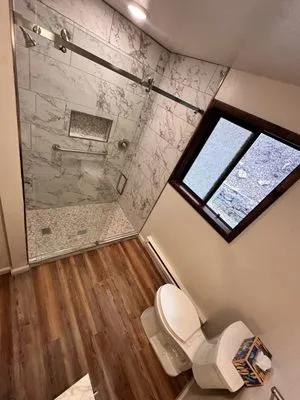
Sunrise Services is a trusted Missoula-based remodeling and plumbing company dedicated to enhancing homes throughout the local community. We specialize in comprehensive bathroom and kitchen remodeling...
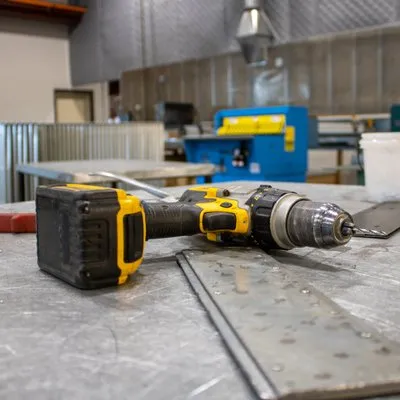
Garden City Plumbing & Heating
Garden City Plumbing & Heating has been a trusted family-owned plumbing and HVAC contractor serving Missoula, Montana, since 1985. Founded by Bill, the company provides reliable installation, maintena...
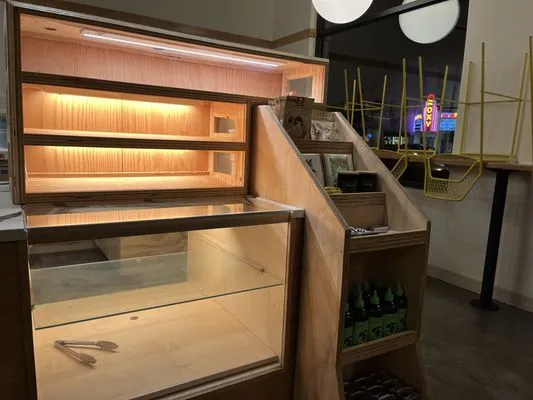
Missoula Home Repair is your local, trusted handyman service in Missoula, MT, dedicated to keeping your home running smoothly through every season. We understand that Missoula homeowners face unique c...
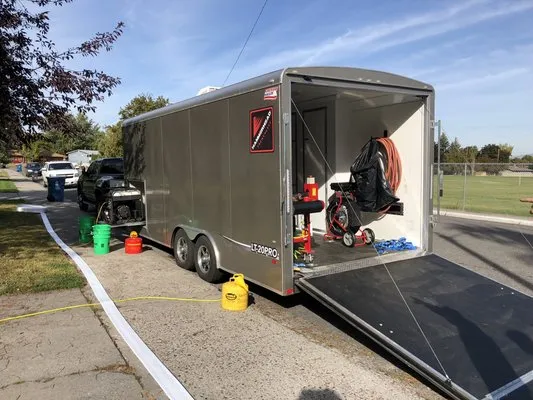
Montana Plumbing Company
Montana Plumbing Company brings a foundation of deep local experience to every job. Since starting in the trade in 1994, the team has grown from journeyman to Master Plumber, earning certifications in...
R & S Plumbing And Drain Service has been a trusted plumbing provider in Missoula, MT, and surrounding areas since 1999. Founded by Master Plumber Ray, who is fully licensed in Montana, the company of...
Elevated Plumbing, LLC has been a trusted resource for Missoula-area residents since 2019, founded by a Master Plumber with over two decades of hands-on experience. Based in Missoula, we provide relia...
Thomas Plumbing & Heating
Thomas Plumbing & Heating is a trusted family-owned and operated business serving Missoula since 1978. Founded by Rich Thomas and now managed by his daughter Karen, a licensed journey plumber, the com...

Dirty Treasures Sewer and Septic
Dirty Treasures Sewer and Septic is a locally owned and operated plumbing service in Missoula, MT, dedicated to providing full-service solutions for residential and commercial customers. We handle eve...

Hellgate Plumbing, Heating, And Cooling
Since 1986, Hellgate Plumbing, Heating, and Cooling has been a trusted name for Missoula, Lolo, Hamilton, Stevensville, and Superior homeowners. As a locally owned and operated business, we're committ...
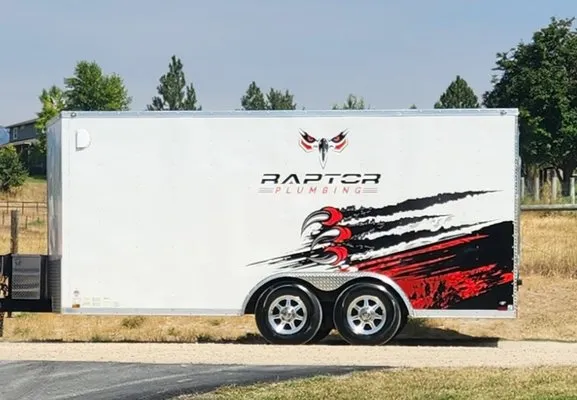
Raptor Plumbing is a family-owned and operated plumbing service based in Florence, MT, with deep roots in the Missoula Valley and Bitterroot Valley. Born and raised in Missoula, our team brings local ...
Estimated Plumbing Costs in Seeley Lake, MT
FAQs
Why am I suddenly getting leaks in my Seeley Lake home built in the early 90s?
Copper piping installed around 1991 is now 35 years old. In Seeley Lake Townsite, we're seeing a wave of homes from that era where the copper is thinning from decades of hard water flow. This age often brings pinhole leaks, typically first appearing at solder joints or elbows where water turbulence is highest. It's not a coincidence; it's the predictable service life for copper under our local water conditions.
Do I need a permit from the county to replace my water heater in Seeley Lake?
Yes, Missoula County Building Division requires a permit for water heater replacement, and the installation must be inspected. As a master plumber licensed by the Montana Department of Labor and Industry, I pull that permit, schedule the inspection, and ensure the work meets all current code for pressure relief valves and seismic strapping. Handling that red tape is part of the job, so you don't have to navigate it.
How does having a private well and septic in Seeley Lake change my plumbing maintenance?
It puts the entire water system, from source to disposal, inside your property lines. Well pump pressure switches and pressure tanks need regular checks, as inconsistent pressure can harm appliances. Septic system health is paramount; a failed drain field is a catastrophic repair. What goes down any drain directly impacts the septic tank, making mindful water use and avoiding certain chemicals non-negotiable for system longevity.
Does Seeley Lake's hard well water damage my water heater?
Absolutely. Hard water from private wells causes rapid scale buildup inside the tank and on heating elements. This sediment layer acts as an insulator, forcing the heater to work longer and hotter, which wears out components and drastically shortens its lifespan. An annual flush of the tank to evacuate sediment is not just recommended; it's necessary to prevent premature failure and maintain efficiency.
How fast can a plumber get to my house off MT-83 if I have a burst pipe?
My dispatch route starts at my shop in Seeley Lake. Heading out on MT-83, I can reach most homes in the greater Seeley area within 60 to 90 minutes for an emergency call. Traffic isn't the delay; distance is. If you're further north on 83 towards Condon, I plan for the full 90. For a major leak, shutting off your main valve at the well tank is the critical first step to buy that time.
Could the hilly land around Seeley Lake be causing my drainage problems?
Hilly terrain directly stresses main sewer lines and drain fields. Gravity wants to pull everything downhill, which can cause settling and separation at pipe joints over time. For homes built on a slope, surface runoff during spring melt can also overwhelm perimeter drains. It's common to find that a slow-draining fixture is actually a symptom of a compromised main line that has settled on the hill.
What's the most common plumbing repair for a 1990s Seeley Lake house?
Pinhole leaks in copper lines are the standard repair for mid-90s builds here. After 35 years, the interior wall of the pipe can erode, especially where hot and cold lines are joined with a dielectric union if one wasn't installed originally. We also frequently find calcified supply stops under sinks and toilets that won't fully shut off, requiring a full valve replacement during any fixture update.
What's one thing I should do every spring to avoid a plumbing disaster?
Before the spring thaw peaks, check all exterior hose bibs and the foundation sill for any cracks or gaps that developed over winter. Thawing ground can shift pipes, and a small leak from a frost-damaged bib can quickly become a major issue. Insulating any exposed pipes in crawlspaces, even in our temperate climate, is a cheap safeguard against the occasional 10-degree night we still get into April.
