Top Emergency Plumbers in Plains, MT, 59859 | Compare & Call

There are 222 plumbing companies server in Plains MT
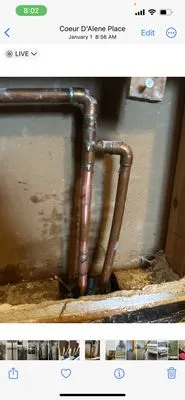
Straight Shooter Plumbing and Rooter
Straight Shooter Plumbing and Rooter brings over 30 years of combined plumbing experience to Hayden, ID. While our company was established in 2022, the expertise behind it has been serving North Idaho...
Tim's Plumbing Service
Tim's Plumbing Service is a family-owned plumbing business serving Coeur d'Alene and Kootenai County with over 20 years of experience, including 18 years dedicated to the local community. Licensed und...
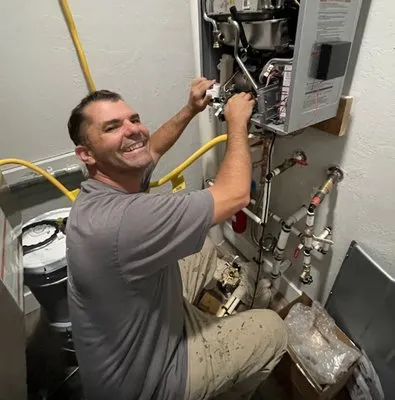
North Idaho Plumbing Service, operating as Northland Plumbing LLC, has been Hayden's trusted plumbing provider since 2010. Founded by friends Scott and Tim, the company brings over a decade of combine...
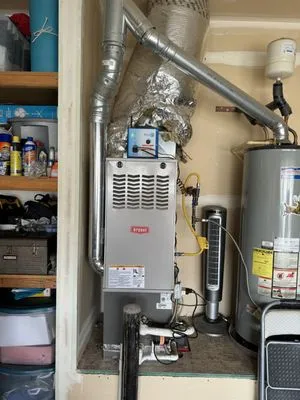
America NW Plumbing
America NW Plumbing Heating and Cooling is a trusted plumbing and HVAC company serving Post Falls, Northern Idaho, and Spokane with over 30 years of experience. We provide reliable plumbing services w...

Comfort Heating and Air
For over three decades, Comfort Heating and Air has been the trusted local expert for home systems in Post Falls, Idaho. Since 1993, our family-owned company has built a reputation on reliable, honest...
For over three decades, master plumber John Hulsey has been the trusted expert behind CDA Plumbing Service in Coeur d'Alene. We bring a wealth of experience to every job, from simple faucet repairs to...
Mr. Rooter Plumbing of Coeur d'Alene is your locally owned and operated plumbing service for Hayden and the surrounding areas. Owned by a dedicated husband-and-wife team since June 2022, we bring a fa...
Honest Plumbing is a family-owned business serving Coeur D'Alene and North Idaho with integrity and a genuine passion for the trade. Owner Tim's journey in plumbing began as a child, learning alongsid...

Bronco Plumbing is a trusted, full-service plumbing company serving Coeur d'Alene, ID, and the surrounding areas. We specialize in a wide range of residential and commercial plumbing services, includi...

M & M Property Maintenance is a trusted, locally-owned handyman service in Saint Maries, ID, dedicated to keeping your home running smoothly. We specialize in a wide range of essential services, from ...
Estimated Plumbing Costs in Plains, MT
Frequently Asked Questions
How fast can a plumber get to my house in Plains?
From our shop, we head past the Clark Fork River on MT-200. That's the main artery, so our typical dispatch to most Plains addresses is 45 to 60 minutes. We factor in the river road conditions and any traffic on the two-lane highway. Knowing the route lets us give you a reliable window, not just an estimate.
Who pulls permits for a water heater replacement in Plains?
As a licensed Montana plumber, I handle the red tape with the Sanders County Planning and Building Department. My credentials with the Montana Department of Labor & Industry are required to file the paperwork and schedule the mandatory inspections. You won't need to navigate the county office; ensuring the work is permitted and documented correctly is part of the job.
Are copper pipes from the 70s starting to fail in Plains?
Copper plumbing installed around 1975 is now 51 years old. In Downtown Plains, this often means we're seeing a wave of pinhole leaks, especially at soldered joints that have been stressed by decades of thermal expansion. The original pipe wall is thinner than modern code, and years of our hard water's mineral content have accelerated wear. It's a predictable lifecycle; many homes from that era are now due for a section repipe or full-system assessment.
Does Plains' hard water damage water heaters?
Yes, the minerals from the Clark Fork River settle as scale in the bottom of your tank. This sediment buildup acts as an insulator, forcing the heater to work harder and overheat its own components. Anode rods deplete faster, and we see more failed heating elements and reduced lifespan. Annual flushing helps, but the cumulative scale damage is a primary reason for premature tank failure here.
Is well or septic service different in rural Sanders County?
Working on rural properties means every job starts by locating the wellhead and septic tank. We coordinate pumpers for septic issues and understand the jet pump and pressure tank setups common here. Municipal codes don't apply, so solutions are tailored to your specific well yield, soil absorption rate, and the available space for system repairs or replacements.
Can the hilly land in Plains cause plumbing issues?
The slope affects drainage and puts constant stress on your main sewer line. A lateral line running downhill from your house to the street or septic tank can develop low spots where waste collects, leading to recurring clogs. For water supply, the elevation changes mean pressure can vary significantly between homes, requiring specific pressure regulator settings to protect your fixtures.
What's the most common plumbing problem in older Plains homes?
For 1970s copper systems, joint calcification and pinhole leaks are the standard failures. Hard water scale builds up inside the pipe, restricting flow and creating corrosive pockets that eventually wear through. You'll often find the first leaks at horizontal runs or near fixtures where water sits. It's a wear-out failure, not a defect, given the pipe's age and our water chemistry.
What's the most important spring plumbing tip for Plains?
Before the spring thaw peaks, disconnect any garden hoses and make sure your exterior sillcocks are fully drained. Trapped water from winter can freeze in the pipe wall behind the faucet, causing a split that only reveals itself when you turn it on in April. A quick check of those outdoor faucets on the first warm day can prevent a flooded basement or crawlspace.
