Top Emergency Plumbers in Helena West Side, MT, 59601 | Compare & Call

There are 41 plumbing companies server in Helena West Side MT
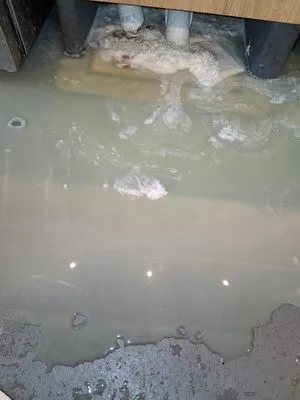
Helena's Drain Doctor is your local, family-owned plumbing and drain specialist serving the Helena community. We provide dependable drainage services for homes and businesses, focusing on unclogging d...

Williams Plumbing & Heating
Williams Plumbing & Heating is a family-owned and operated business that has been a trusted fixture in Belgrade and across Montana since 1979. As the largest mechanical, electrical, and plumbing contr...

A-Z Contracting is a family-owned contracting service based in Bozeman, MT, established in 2020. As a third-generation Montanan family business, we specialize in home and business remodeling, addition...

Mountain Valley Enterprises is your trusted, locally owned plumbing and septic specialist serving Whitehall and Southwest Montana. We bring the service directly to you, operating as a fully mobile tea...

Arc Sewer and Drain is Helena's trusted plumbing specialist, helping homeowners tackle common local issues like laundry hose bursts and dishwasher leaks. Using advanced hydro-jetting technology, we cl...
Helena FixIt Services is your trusted local handyman in Helena, MT, dedicated to keeping homes and businesses running smoothly. We specialize in a wide range of services including appliance repair, pl...
Clark's Plumbing & Heating is a trusted local plumbing service in Helena, MT, specializing in addressing the area's common plumbing challenges. With Helena's older homes often experiencing issues like...

Shedhorn Plumbing is a trusted, licensed plumbing service rooted in Helena, Montana. As a locally owned and operated business, we bring a master plumber's expertise to every job, from routine repairs ...

Big Sky Plumbing & Heating
Big Sky Plumbing & Heating has been Helena's trusted plumbing and HVAC partner since 1985. Founded by Zach Pallister, a Helena native and Master Plumber who began his trade in 1979, the company brings...
Superior Heating & Cooling
Superior Heating & Cooling has been a trusted name in the Helena area for over 20 years, providing reliable heating, cooling, and plumbing solutions. Our licensed and insured team offers a comprehensi...
Estimated Plumbing Costs in Helena West Side, MT
Question Answers
Does hard water from the Missouri River damage my water heater?
Absolutely. The dissolved minerals, primarily calcium and magnesium, precipitate out as scale when water is heated. Inside your tank, this scale forms a thick, insulating layer on the bottom and on the heating elements. This forces the heater to work harder, increasing energy bills, and can overheat the lower element, causing premature failure. An annual flush can mitigate this, but the scale buildup is a constant battle with our water source.
What's the most important spring plumbing task in Helena?
Before the spring thaw peaks, shut off and drain any exterior hose bibs that were protected by frost-free sillcocks. While those valves are designed to prevent freeze-ups, the seals can fail after many seasons. Draining them ensures any residual water in the line won't back up and leak into your wall when the ground finally thaws and water pressure normalizes. It's a simple five-minute task that prevents a major interior leak.
Can the hilly terrain on the west side cause plumbing problems?
The slope affects your system in two ways. First, drainage from uphill properties can saturate the soil around your main sewer line, increasing external pressure and the risk of root intrusion at joints. Second, the constant gravitational stress on the main water line coming into your house from the street can fatigue older copper connections at the meter or where the pipe enters the foundation, leading to leaks.
Do I need a permit to replace my water heater, and who handles that?
Yes, the Helena Building Division requires a permit for water heater replacement to ensure proper venting and pressure relief. As a master plumber licensed by the Montana Department of Labor and Industry, I pull that permit, schedule the inspection, and ensure the installation meets all current code. My credential means I handle that red tape; you won't need to visit city hall or worry about paperwork being filed correctly.
How old are the pipes in our Helena West Side neighborhood, and what should I expect?
The copper plumbing in homes built around 1976 is now 50 years old. At this age, you'll likely see two things: pinhole leaks starting to appear in the hot water lines, and the solder joints at your fixtures beginning to calcify and weaken. This isn't a sudden failure, but a predictable wear-out phase. Many neighbors are now dealing with small, persistent leaks behind walls or under sinks that were fine for decades.
How quickly can a plumber get to my house on the west side?
A typical dispatch from our shop heads past the Montana State Capitol to catch the I-15 on-ramp. Traffic is usually light, so we're crossing the Missouri River and onto the west side streets in under 20 minutes. That route gets us into your neighborhood consistently, barring major winter weather or summer construction on the interstate.
Why are my copper pipes suddenly springing pinhole leaks?
Copper installed in the mid-70s has endured 50 years of our mineral-rich water flowing through it. The constant, slight erosion from hard water, combined with the natural electrolytic action between the copper and its fittings, eventually wears thin spots in the pipe wall. These pinhole leaks most commonly show up on horizontal hot water runs in basements or crawlspaces, where scale and corrosion concentrate.
As a homeowner in town, what are my responsibilities for the sewer line?
You own the lateral from your house to the main sewer line in the street, including the portion under the public right-of-way. In our urban setting, the most common issue is tree roots from parkways or your yard infiltrating the older joints in that line. Municipal pressure is generally consistent, but a blocked lateral becomes your problem to clear and repair. Regular camera inspections can catch root growth before it causes a full backup.
