Top Emergency Plumbers in Helena Flats, MT, 59901 | Compare & Call

There are 78 plumbing companies server in Helena Flats MT
American Leak Detection of Montana
American Leak Detection of Montana is a family-owned business serving Missoula and communities across Montana since 1994. Owner Margaret leads a team dedicated to saving customers money, minimizing pr...
H&M Water Solutions was founded in Thompson Falls to address a clear need for reliable well pump and water system services in our region. As a veteran-owned business, our foundation is simple: treat e...
J&R Plumbing is a trusted local plumbing service based in Kalispell, MT, dedicated to providing reliable solutions for residential and commercial plumbing needs. With expertise in a wide range of serv...

Modern Plumbing and Heating
Modern Plumbing and Heating is a trusted, locally-owned plumbing company serving Kalispell and the Flathead Valley. Founded by Raun and Paige Grover, the business combines over 17 years of technical e...
Redemption Plumbing is a locally owned and operated plumbing service in Kalispell, MT, founded by a Flathead Valley native with a passion for mechanical engineering applied to water systems. With over...
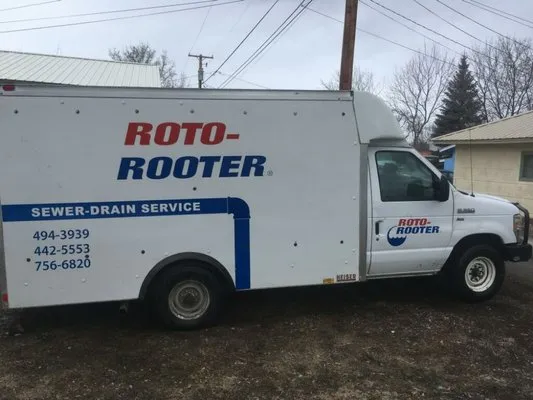
For over three decades, Roto-Rooter in Kalispell has been a trusted, family-run plumbing service, rooted deeply in the local community. Owner Steve grew up with the business; his father Terry started ...
Empire Plumbing is your trusted local plumber in Kalispell, founded by an owner with deep roots in the Flathead Valley. After beginning his plumbing career in 1999 and moving to the area in 2005, he h...
Mr. Rooter Plumbing of Kalispell
Mr. Rooter Plumbing of Kalispell is a locally operated plumbing service with deep roots in the community, backed by the national Mr. Rooter brand founded in 1970. We bring over 50 years of industry ex...
Able Plumbing is a family-owned and operated business serving the Bigfork community with over three decades of expertise. Founded by a fourth-generation plumber, our roots run deep. I began working wi...
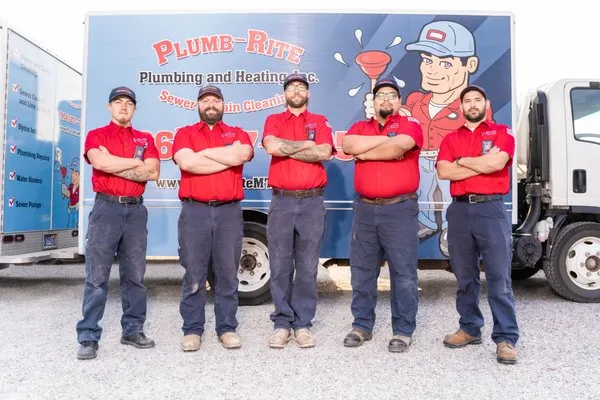
Plumb-Rite Plumbing
Plumb-Rite Plumbing has been serving the Flathead Valley community since 2003, providing reliable plumbing services to residents in Kalispell, Whitefish, Columbia Falls, and Bigfork. Beyond profession...
Estimated Plumbing Costs in Helena Flats, MT
Common Questions
What's the most important cold-weather plumbing tip for the Snow Belt?
Before temperatures hit that 15-degree low, disconnect and drain your garden hoses. An overlooked hose left connected keeps water trapped in the bib, which freezes and cracks the pipe inside your wall. For homes with crawl spaces, ensure all vent openings are sealed to prevent freezing drafts on supply lines. A pro-tip is to locate and know how to operate your main water shut-off valve; if a pipe does burst during a spring thaw, quickly turning off the water limits the damage until help arrives.
My copper pipes are from 1987. What should I expect now?
Copper plumbing installed in 1987 is 39 years old. At this age, the pipe walls have thinned from decades of water flow and mineral interaction. Homeowners in Helena Flats are frequently seeing pinhole leaks, especially at solder joints and where pipes make contact with mounting straps. This corrosion is often accelerated by our area's hard water, making proactive inspection of exposed pipes in basements and crawl spaces a wise move before a small leak becomes a major problem.
Does hard well water ruin my plumbing fixtures?
Yes, the mineral-heavy water from private wells in Helena Flats causes significant scale buildup. This limescale acts as an insulator on water heater elements, forcing them to work harder and fail sooner. Inside faucets and shower valves, scale grit wears down rubber seals and ceramic cartridges, leading to drips and loss of pressure. Installing a quality whole-house water softener is the most effective defense, protecting your appliances and extending the life of your entire plumbing system.
Could my home's location on a hill cause plumbing problems?
Hilly terrain places constant stress on the main water line running from your well to the house. The soil can shift with freeze-thaw cycles, potentially straining or cracking the buried pipe. Furthermore, drainage around foundations is critical on a slope; improper grading can direct spring melt and rainwater toward your home, risking a wet basement and putting pressure on your foundation drain and sump pump system. It's important to ensure downspouts extend well away from the house.
Do I need a permit to replace my water heater in Flathead County?
Yes, most water heater replacements require a permit from Flathead County Planning and Zoning. As a Master Plumber licensed by the Montana Department of Labor and Industry, I handle pulling that permit and scheduling the required inspections. This ensures the installation meets current code for safety and efficiency, particularly for proper venting and seismic strapping. Managing this red tape is part of the job, so you don't have to navigate the county offices yourself.
Are there special plumbing considerations for a rural home with a well and septic?
Absolutely. Your well pump and pressure tank are the heart of your system, and hard water scaling can shorten their lifespan. On the septic side, what goes down your drain directly impacts the leach field. Avoid garbage disposals, which add solids that clog the system, and never use chemical drain cleaners, which kill the bacteria essential for breaking down waste. All plumbing work must respect the clear separation between your potable well system and the septic drainage field to prevent contamination.
How long does it take for a plumber to get to Helena Flats in an emergency?
From our shop, a typical dispatch route heads past the Flathead River on US-2. Depending on traffic and weather, you can expect a 45 to 60 minute response window for most calls in the Helena Flats area. We plan routes with this transit time in mind, so when you call with an urgent issue like a burst pipe, we are already loading the truck with the parts commonly needed for homes of your vintage and water type.
Why are my 1980s copper pipes suddenly springing leaks?
Copper from that era often develops pinhole leaks due to a process called Type 1 pitting corrosion, which is common in certain water chemistries. After nearly 40 years, microscopic imperfections in the pipe's interior can become focal points for corrosion, especially where hot and cold lines are close together. We also find that dielectric unions, which were not always used back then, can lead to galvanic corrosion where copper meets other metals, speeding up failure at connections to water heaters or valves.
