Top Emergency Plumbers in Evergreen, MT, 59901 | Compare & Call

There are 52 plumbing companies server in Evergreen MT
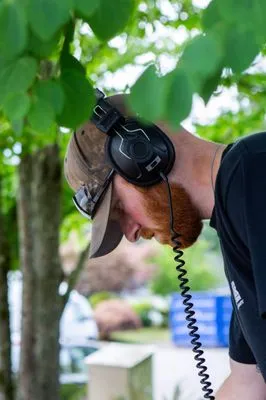
American Leak Detection of Montana
American Leak Detection of Montana is a family-owned business serving Missoula and communities across Montana since 1994. Owner Margaret leads a team dedicated to saving customers money, minimizing pr...
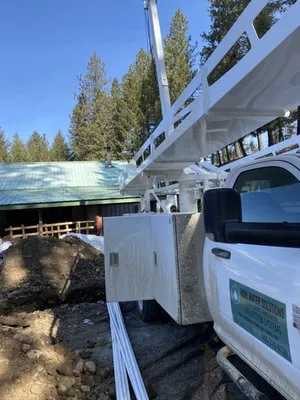
H&M Water Solutions was founded in Thompson Falls to address a clear need for reliable well pump and water system services in our region. As a veteran-owned business, our foundation is simple: treat e...
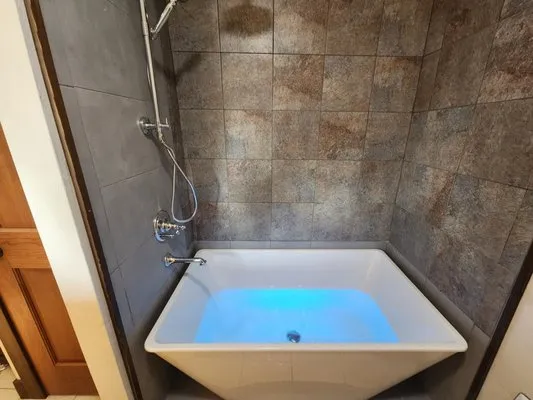
J&R Plumbing is a trusted local plumbing service based in Kalispell, MT, dedicated to providing reliable solutions for residential and commercial plumbing needs. With expertise in a wide range of serv...

Modern Plumbing and Heating
Modern Plumbing and Heating is a trusted, locally-owned plumbing company serving Kalispell and the Flathead Valley. Founded by Raun and Paige Grover, the business combines over 17 years of technical e...
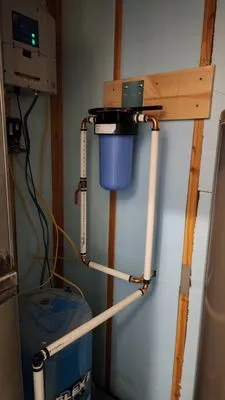
Redemption Plumbing is a locally owned and operated plumbing service in Kalispell, MT, founded by a Flathead Valley native with a passion for mechanical engineering applied to water systems. With over...
For over three decades, Roto-Rooter in Kalispell has been a trusted, family-run plumbing service, rooted deeply in the local community. Owner Steve grew up with the business; his father Terry started ...
Empire Plumbing is your trusted local plumber in Kalispell, founded by an owner with deep roots in the Flathead Valley. After beginning his plumbing career in 1999 and moving to the area in 2005, he h...
Mr. Rooter Plumbing of Kalispell
Mr. Rooter Plumbing of Kalispell is a locally operated plumbing service with deep roots in the community, backed by the national Mr. Rooter brand founded in 1970. We bring over 50 years of industry ex...
Plumb-Rite Plumbing
Plumb-Rite Plumbing has been serving the Flathead Valley community since 2003, providing reliable plumbing services to residents in Kalispell, Whitefish, Columbia Falls, and Bigfork. Beyond profession...

Wild West Plumbing, Heating & Cooling
Wild West Plumbing, Heating & Cooling is a trusted, family-owned business serving the Flathead Valley and Kalispell, MT, since 1986. We provide reliable, professional plumbing, heating, and cooling se...
Estimated Plumbing Costs in Evergreen, MT
Frequently Asked Questions
Should I be worried about my plumbing in an Evergreen home built around 1978?
Houses built in 1978 have copper pipes that are now 48 years old. In Evergreen Heights, that age means the copper is nearing the end of its typical service life. Homeowners are starting to see pinhole leaks, especially at soldered joints, which fail due to decades of water flow and mineral interaction. It's a predictable lifecycle, not a crisis, but it does warrant a proactive inspection of your main supply lines and behind walls.
How quickly can a plumber get to my house in Evergreen?
My dispatch route from the shop follows US-2 east, heading past the Flathead River bridge. For most calls in Evergreen or Evergreen Heights, that's a reliable 20 to 30 minute drive. Knowing the local roads and traffic patterns lets me give you an accurate window, so you're not waiting around. I plan for that transit time when we schedule.
Does Flathead River water damage my water heater?
The hard water from the Flathead River leads to significant scale buildup. Inside your water heater, that scale acts as an insulator on the heating elements, forcing them to work harder and fail sooner. It also settles in the tank's bottom, trapping sediment that causes overheating and cracks. An annual flush of the tank can mitigate this, but expect a shorter lifespan for any appliance that heats water.
Could the flat terrain near the river cause drainage problems?
The relatively plain terrain around the Flathead River means water has less natural runoff. For your home's drainage, this can cause standing water around the foundation during heavy rain or rapid snowmelt, which puts hydrostatic pressure on basement walls and can overwhelm footing drains. For the main sewer line, the flat slope requires precise grading to maintain flow, and a slight settlement can lead to backups.
What's the most important cold-weather plumbing tip for Evergreen?
Before temperatures hit 15 degrees, shut off and drain any exterior hose bibs. In our snow belt, the real danger is the spring thaw. Frozen ground heaves and can shift your main line, and thawing reveals leaks that developed over winter. A pro-tip is to know where your main water shutoff is inside the house and ensure the valve operates smoothly before the deep freeze sets in.
Who handles permits for a water heater replacement in Flathead County?
Flathead County Planning and Zoning requires a permit for water heater replacements, and the installation must meet current code from the Montana Department of Labor and Industry Building Codes Bureau. I handle pulling that permit and scheduling the inspection so you don't have to navigate the red tape. It's part of the job to ensure the work is documented and legal for your home's records.
Why do my copper pipes keep springing small leaks?
For 48-year-old copper, pinhole leaks are a common failure. Electrochemical corrosion, often called Type 1 pitting, creates weak spots from the inside out. This is accelerated by our water chemistry interacting with the pipe over decades. The fix isn't just a patch; it usually involves replacing the affected section and checking for dielectric unions at water heater connections to prevent galvanic corrosion.
As an Evergreen homeowner, what should I know about my sewer line?
In this suburban setting, you're connected to municipal sewer. The lateral line from your house to the main is your responsibility. Tree roots seeking the water in those lines are a constant issue, especially with older clay or cast iron pipes. A video inspection can show the condition and reveal if roots have infiltrated the joints, which is a common point of failure before a full blockage occurs.
