Top Emergency Plumbers in Churchill, MT, 59741 | Compare & Call

There are 44 plumbing companies server in Churchill MT
Helena's Drain Doctor is your local, family-owned plumbing and drain specialist serving the Helena community. We provide dependable drainage services for homes and businesses, focusing on unclogging d...
Boss Plumbing
Boss Plumbing is a veteran-owned, family-operated plumbing company proudly serving Belgrade and the surrounding communities. As a 5th generation Montanan and a Master Plumber with 27 years of experien...

Campbells Plumbing & Heating
Since 1998, Campbells Plumbing & Heating has been a trusted name for mechanical contracting services in Belgrade and throughout the Gallatin Valley. Operating from their base at 76 Rae Lane, this fami...

Excel Plumbing & Heating
Excel Plumbing & Heating is your local, full-service plumbing and HVAC partner in Bozeman, MT. We specialize in providing reliable solutions for residential and commercial clients, from emergency repa...
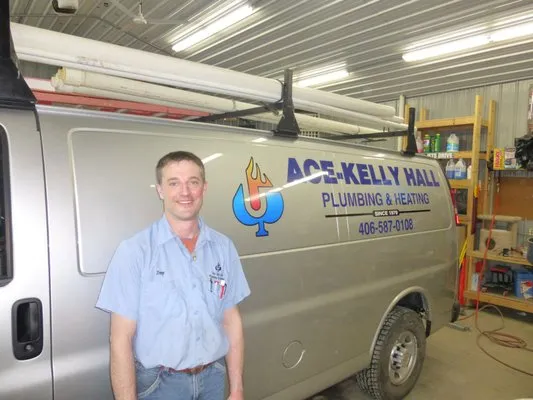
Ace-Kelly Hall Plumbing & Heating is a trusted, full-service plumbing company serving Bozeman, Montana, and the surrounding Gallatin Valley. With expertise in everything from routine faucet repairs to...

Bob's Plumbing & Drain in Bozeman, MT, is a locally owned and operated plumbing service led by a licensed Master Plumber with over 30 years of experience. Serving residential and commercial clients in...

Williams Plumbing & Heating
Williams Plumbing & Heating is a family-owned and operated business that has been a trusted fixture in Belgrade and across Montana since 1979. As the largest mechanical, electrical, and plumbing contr...
Mr. Rooter Plumbing of Bozeman serves Belgrade and surrounding communities with reliable plumbing solutions. With over 50 years of experience since the original Mr. Rooter was founded in 1970, we brin...

Plan B Plumbing is a trusted, full-service plumbing company serving Bozeman and the surrounding Gallatin Valley. We provide reliable solutions for everything from routine faucet repairs to complete pl...

My Guy Plumbing is your trusted local plumbing partner in Manhattan, MT. We believe in treating every customer like family, which means honest advice, clear communication, and work you can count on. W...
Estimated Plumbing Costs in Churchill, MT
Q&A
Does hard well water ruin my water heater and fixtures?
Yes, it accelerates wear. Mineral scale from hard water builds up inside the water heater tank, reducing efficiency and lifespan. It also crusts on faucet cartridges and shower valves, causing them to stick or leak. For water heaters, an annual flush to remove sediment is crucial. Whole-house water softening is the most effective long-term solution to protect all your appliances and plumbing from premature failure.
What permits do I need for a plumbing repair or remodel in Gallatin County?
Most significant repairs, repipes, or fixture relocations require a permit from Gallatin County Planning and Community Development. As a Master Plumber licensed by the Montana State Board of Plumbers, I pull these permits, schedule inspections, and ensure the work meets all state and county codes. My credential, MPLBG-XXXXX, means I handle the red tape so you don't have to navigate the bureaucracy yourself. This protects your investment and ensures the work is documented for future sales.
My Churchill Village home was built around 1982. Should I be worried about the plumbing?
Houses from that era are now 44 years old. For copper plumbing, that's a critical age where you'll start seeing the first wave of pinhole leaks, especially at solder joints. In Churchill, we're getting calls for small, persistent leaks in basements or behind walls, often first noticed as a water stain or a drop in pressure. This isn't a blanket failure, but a sign the system is entering its maintenance phase. It's wise to budget for targeted repipes or section replacements over the next decade.
How long does it take a plumber to get to Churchill if I have an emergency?
From our shop, heading past the Manhattan Wildlife Management Area on I-90 is the standard route. With clear roads, expect a 45 to 60 minute response window to most addresses in Churchill Village. We factor in local ranch traffic and winter conditions, which can add time. For true emergencies, we dispatch immediately and provide clear ETAs so you know when to expect us.
As a rural homeowner with a well and septic, what plumbing maintenance is my responsibility?
You're responsible for the entire system from the well pump to the septic tank. This includes maintaining the pressure tank, checking the well cap's seal, and having the septic tank pumped every 3-5 years. Unlike a municipal system, a failing pressure switch or a full septic tank becomes your immediate emergency. Schedule regular inspections of these components, as they are the heart of your home's independent water and waste systems.
Why do my copper pipes keep springing pinhole leaks?
Copper installed in the early 80s, common here, is susceptible to pinhole leaks from internal corrosion. Our well water's specific mineral content and years of flow wear down the pipe walls. The leaks often appear on horizontal runs or at fittings due to turbulent water. This isn't a defect in your pipe, but a predictable lifecycle issue for 40-plus-year-old copper systems in our area, requiring professional assessment and repair.
Could the flat land around here cause drainage issues for my home's plumbing?
The relatively plain terrain near Manhattan Wildlife Management Area means natural drainage is minimal. For homes on private septic systems, this can lead to saturated drain fields if the system isn't properly elevated or maintained. It also means a main line sewer or water service has no natural fall, relying on precise installation. Over time, soil settling can create low spots in the line where waste or sediment collects, leading to slow drains or blockages.
What's one thing I should do before spring thaw to avoid plumbing problems?
Insulate any exposed pipes in unheated crawl spaces or along exterior walls before the thaw begins. As temperatures swing from 10-degree lows to daytime melts, unprotected pipes are prone to freezing and bursting. A pro-tip is to also disconnect and drain garden hoses now; a frozen hose bib can crack and flood the interior wall when things warm up. These simple steps prevent the most common spring thaw emergencies in our snow belt.
