Top Emergency Plumbers in Itta Bena, MS, 38941 | Compare & Call

There are 110 plumbing companies server in Itta Bena MS
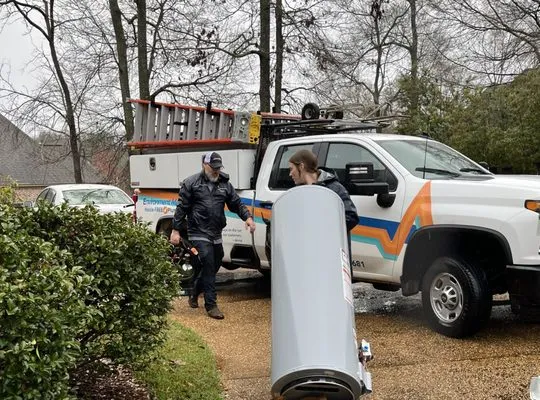
Environment Masters
Environment Masters has been a trusted family-owned provider of plumbing and HVAC services in Jackson, Mississippi, since 1957. For over 60 years, we've served our neighbors in Hinds, Madison, and Ran...
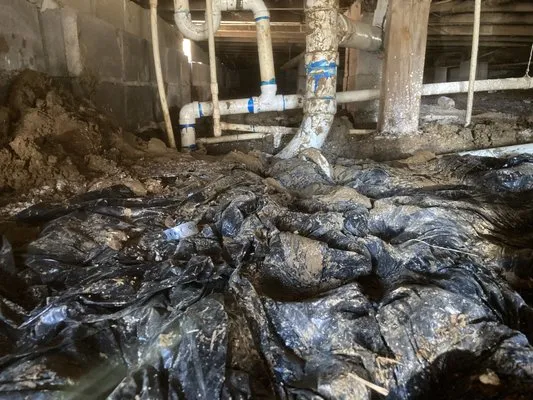
24/7 Plumbing, LLC was founded in Jackson, MS, with a simple, unwavering commitment: making customer satisfaction our top priority. We understand that plumbing emergencies don't keep business hours, w...
J's Plumbing and Repair
J's Plumbing and Repair is a trusted local plumbing service in Pelahatchie, MS, offering comprehensive solutions for residential and commercial needs. With expertise in over 30 services including bath...

Davis Plumbing Services is a trusted local plumbing company serving Jackson, MS, and surrounding communities. We provide reliable, expert plumbing solutions for residential and commercial needs, from ...
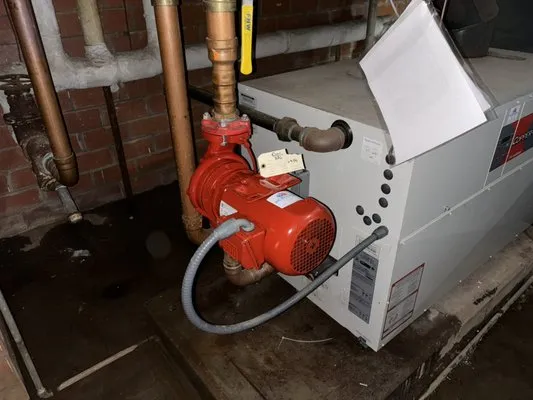
BAC Mechanical Services is your trusted, local expert for a full spectrum of home and business mechanical needs in Brookhaven, MS. We understand that managing separate contractors for plumbing, electr...
Shaw Plumbing has been the trusted plumbing partner for Brandon and Rankin County homeowners since 2020. As the locally voted best plumbing company in 2024, our commitment to the community is built on...
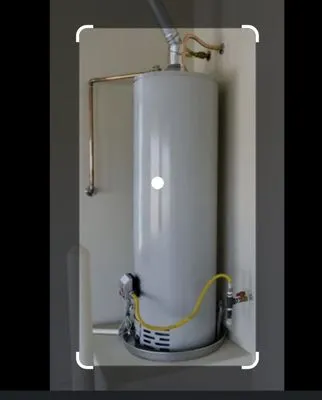
For over 20 years, Clinton Plumbing Repair has been the trusted local plumber for homeowners and businesses in Clinton, MS. Our work is guided by a simple, personal principle: treating every job as if...

Hoover's Electric Plumbing & Heat- Ac
Hoover's Electric Plumbing & Heat-AC is Greenwood's trusted provider for comprehensive HVAC and plumbing solutions. Serving the local community, we specialize in HVAC installation, repair, and mainten...
Joiners HVAC & Electrical is a trusted, full-service contractor serving homeowners across Jackson, MS. We understand the common local frustrations with plumbing, such as broken shutoff valves and pers...
McInvale Heating & Air, Inc. Plumbing & Gas
For over two decades, McInvale Heating & Air, Inc. Plumbing & Gas has been the trusted local choice for heating, air conditioning, plumbing, and gas services in Ridgeland and the greater Jackson area....
Estimated Plumbing Costs in Itta Bena, MS
Frequently Asked Questions
Are plumbing issues different for homes on well and septic systems here?
Absolutely. In our rural setting, you're responsible for the entire system from aquifer to drain field. Well pump and pressure tank failures are common calls. On the septic side, drain clogs are more critical because overloading the tank can lead to a costly backup or field failure. You don't have municipal pressure or a city sewer main to rely on, so maintenance and early intervention on your private system are essential.
Do I need a permit to replace my water heater or repipe my house?
Yes, Leflore County Building and Zoning Department requires permits for major work like water heater replacements or whole-house repiping. As a Master Plumber licensed by the Mississippi State Board of Contractors, I handle pulling those permits and scheduling inspections. My credentials mean the work is documented and up to code, which is crucial for your home's value and safety. You get a finished job without the red tape headache.
How long does it take for a plumber to get to my house in Itta Bena?
From my shop, heading past Mississippi Valley State University and onto US Highway 82 gets me moving toward most parts of town efficiently. Traffic is rarely the issue. The reality is a 45 to 60 minute response, which accounts for the rural road network and the distance between calls. I plan my dispatch route to minimize backtracking so I can be on your porch as promptly as the geography allows.
Does our well water ruin water heaters and fixtures faster?
Yes, the hard water from the Mississippi River Valley Alluvial Aquifer accelerates wear. Minerals like calcium and magnesium precipitate out as scale, coating heating elements in your water heater and reducing efficiency. Inside faucets and shower valves, this scale grits up cartridges and seals, leading to drips and reduced flow. A whole-house water softener is the standard defense here to protect your hardware.
My house was built in the late 70s. Are my copper pipes getting too old?
Copper plumbing from 1978 is now 48 years old, which is within its typical lifespan but in a critical phase. Homeowners in Downtown Itta Bena often start seeing persistent pinhole leaks, especially at soldered joints that have been stressed by decades of water pressure and mineral buildup. The metal has simply fatigued over time. It's less about a single catastrophic failure and more about managing a series of small, aggravating leaks that signal a system-wide decline.
What's the most important thing to do before spring to avoid plumbing problems?
Before the spring thaw, when overnight lows can still hit 33°F, disconnect and drain your outdoor hose bibs. A forgotten garden hose can trap water that freezes, splitting the pipe inside your wall. For homes with crawl spaces, make sure vent covers are secure to prevent cold air from freezing exposed pipes. This temperate climate lulls you into a false sense of security—the last frost is often the most damaging.
Why do I keep getting pinhole leaks in my copper pipes?
Pinhole leaks in 48-year-old copper are a classic failure mode. Over decades, our hard water causes internal corrosion and scale buildup, thinning the pipe walls. This process accelerates at fittings and joints due to slight electrolytic differences between the pipe and solder. You'll often find these leaks on horizontal runs or just upstream of a fitting, where turbulent water flow wears the metal thin.
Could the flat land around here be causing my slow drains or sewer issues?
The low-lying terrain throughout Itta Bena, including areas near Mississippi Valley State University, creates drainage challenges. If your main sewer line doesn't have adequate slope away from the house, waste and sediment can settle and cause blockages. This flat land also means during heavy rains, saturated soil can put external pressure on pipes, potentially stressing old joints or causing a belly to form in the line where waste collects.
