Top Emergency Plumbers in Warsaw, MO, 65355 | Compare & Call

There are 21 plumbing companies server in Warsaw MO
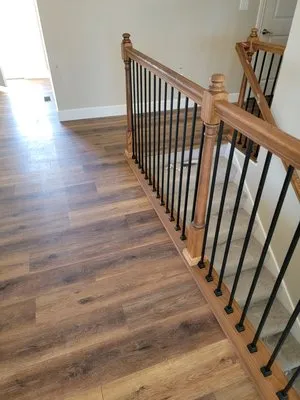
Pure Country Builders LLC is a family-owned construction business serving Lebanon, MO, and the surrounding area. With over 25 years of local experience, we specialize in a wide range of construction s...
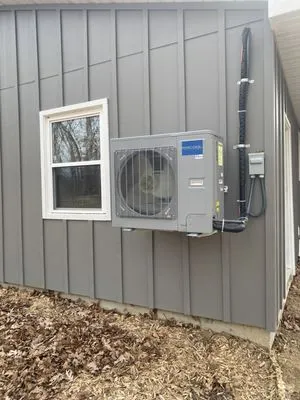
Bartlett Plumbing & HVAC
Bartlett Plumbing & HVAC is a trusted, family-owned and operated business serving the Jefferson City community. We are dedicated to providing quality plumbing and HVAC services at fair, transparent pr...

At B&B Drain & Sewer Cleaning in Jefferson City, we provide targeted plumbing solutions for local homes. We specialize in hydro-jetting to thoroughly clear blockages and advanced camera inspections to...

United Mechanical Services
United Mechanical Services (UMS) is a trusted, locally-owned mechanical services provider in Jefferson City, MO, dedicated to keeping homes and businesses comfortable and functional year-round. We spe...
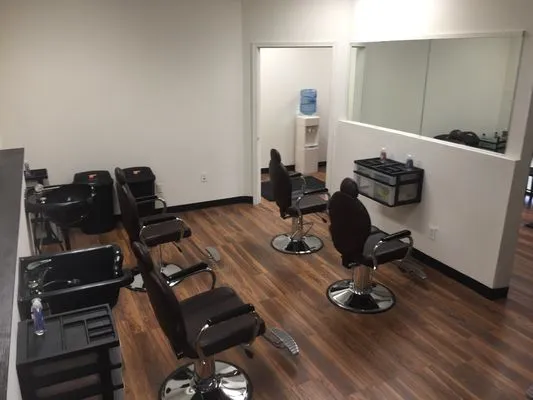
Founded in 2018, DrainFlow LLC brings over 15 years of plumbing expertise to every home and business in Jefferson City, MO. We are a locally owned and operated team specializing in new installations, ...
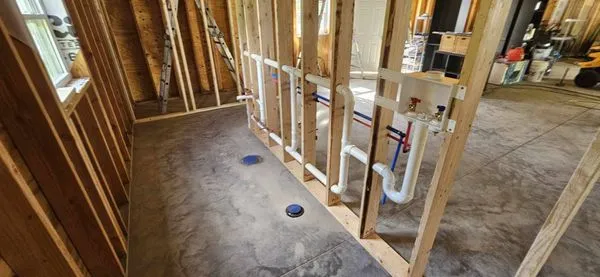
Premier Plumbing Fixtures and Fiberglass Repair
Premier Plumbing Fixtures and Fiberglass Repair, LLC is a family-owned plumbing service based in Clinton, MO, specializing in comprehensive plumbing and fiberglass repair solutions. With a focus on sk...

Art Max Handyman Services has been providing reliable home repair and installation solutions to Warsaw, MO residents for over 18 years. We specialize in HVAC, plumbing, electrical, and general handyma...
ASAP Plumbing & Rooter provides comprehensive residential and commercial plumbing services to Sedalia, MO, and the surrounding areas. We specialize in everything from routine faucet repairs and drain ...
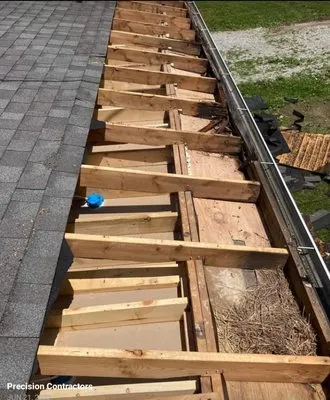
Precision Contractors is a family-owned and operated construction business serving Lowry City and the surrounding area. With over 27 years of combined experience in the industry, Stephanie, Jerry, and...
Strong Arm Plumbing is a locally-owned and operated plumbing service in Clinton, MO, built on a foundation of community and reliability. We started this business with a simple goal: to be the dependab...
Estimated Plumbing Costs in Warsaw, MO
FAQs
How long does it take for a plumber to get to my house in Warsaw?
Heading past Harry S. Truman Dam on US-65 is my main route into most of the county. From that starting point, a service call to addresses in town or along the lake typically takes 45 to 60 minutes. I plan dispatch to account for the hills and lake traffic to provide a reliable window.
Does water from the Lake of the Ozarks ruin water heaters?
The hard water sourced from the lake leads to rapid scale buildup inside your water heater's tank. This sediment acts as an insulator, forcing the unit to work harder and overheat its elements. You will see higher energy bills and a significantly shortened lifespan for the appliance without regular flushing or a water softener.
Who pulls the permit for a water heater replacement in Warsaw?
I handle the red tape so you don't have to. For any replacement or major repair, I pull the required permit through the Warsaw City Hall Building Department as a plumber licensed and regulated by the Missouri Division of Professional Registration. This ensures the work is inspected and meets all current code, protecting your home's value.
Are there different plumbing concerns for homes on a well versus city water in Warsaw?
Homes on a private well system have a pressure tank and pump that require maintenance, which city homes do not. For all homes, the hard water is a universal challenge. Rural properties must also manage a septic system's drain field, which performs differently on our hilly terrain than on flat land.
What should I do to my pipes before it gets cold in Warsaw?
Our temperate climate with lows around 21°F means the biggest risk is the spring thaw, not deep winter. A key pro-tip is to ensure outdoor hose bibs are properly drained and shut off in late fall. Pay special attention to any pipe running through an unheated crawl space on a hillside, as thaw cycles can cause movement and stress.
Can the hilly land around the Truman Dam cause plumbing issues?
Yes, the slope of the land places constant stress on the main sewer line running from your house to the street. Over decades, this can cause the pipe to sag or develop separations at the joints. After heavy rain, water can infiltrate these separated lines, leading to slow drains or backups in lower-level fixtures.
Why are so many Warsaw homes built in the 70s starting to have plumbing problems?
Copper piping installed in 1979 is now 47 years old in 2026. This is the typical lifespan for copper in our area's hard water. In Downtown Warsaw, you might notice small green stains under sinks or a drop in water pressure. These are signs of internal corrosion and scale buildup reaching a critical point, often leading to the first major leaks.
What is a pinhole leak and why does it keep happening in my copper pipes?
Pinhole leaks are a common failure for 1970s-era copper. Decades of hard water flowing through the pipes cause a specific type of internal erosion. The pipe wall becomes thin in spots until a tiny hole develops, often behind a wall. This corrosion is accelerated by the mineral content of our water and the age of the system.
