Top Emergency Plumbers in Sugar Creek, MO, 64050 | Compare & Call

There are 234 plumbing companies server in Sugar Creek MO
Joe Lillis Plumbing is a trusted, locally-owned plumbing service based in Overland Park, KS, serving homes and businesses throughout the Kansas City area. As a Licensed Master Plumber, Joe Lillis take...
Archer Plumbing is a family-owned and operated business with deep roots in the Kansas City area, spanning five generations of plumbing expertise. For over 40 years, we've proudly served Overland Park ...
Anthony Plumbing, Heating, Cooling & Electric
Anthony Plumbing, Heating, Cooling & Electric has been serving the Kansas City metro area since 1951, providing reliable plumbing, HVAC, and electrical services to Lenexa residents. With a legacy that...

For over 25 years, Michael Roemhild and the team at Leak Finders have been the trusted local specialists for leak detection and plumbing solutions in Overland Park. Founded on a vision of customer-fir...
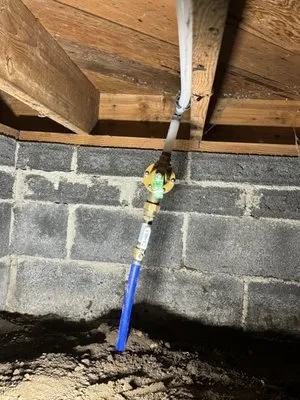
Razo’s Plumbing
Razo's Plumbing is a trusted, full-service plumbing company serving Olathe, KS homeowners and businesses. We specialize in comprehensive plumbing solutions, from routine repairs to complex installatio...
Mission Plumbing, Heating & Cooling
Mission Plumbing, Heating & Cooling has been a trusted local provider in Lenexa and the Kansas City metro since 1978, offering comprehensive plumbing, heating, and cooling services. With over 20 years...

Bright Side Plumbing
Bright Side Plumbing is a fourth-generation family business in Overland Park, KS, founded by master plumber Kalen Barker. After a two-year health struggle that left him wheelchair-bound, Kalen recover...
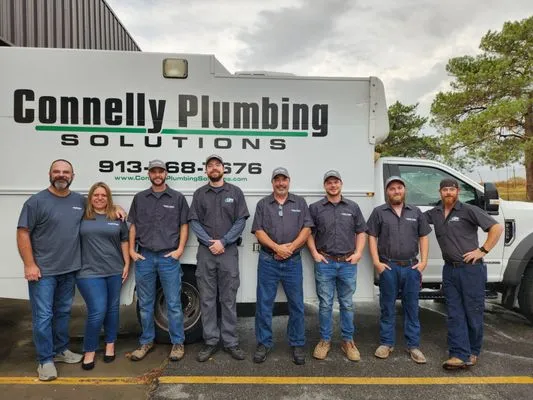
Connelly Plumbing Solutions is a family-owned plumbing company serving Lenexa, KS, and the greater Kansas City area since 2012. Founded by Master Plumber Steve Connelly, who began his career in 1995 t...

On Time Plumbing, Heating, Cooling & Electric is a trusted, licensed service provider for Lenexa homeowners. We specialize in comprehensive plumbing, HVAC, and electrical solutions, from routine maint...
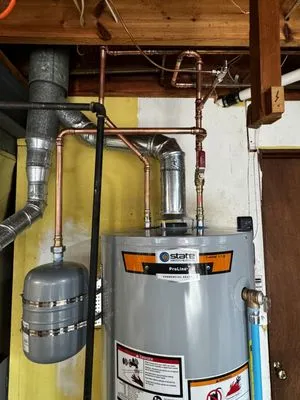
KC Metro Plumbing is a trusted, local plumbing service provider serving the Lenexa, KS community. We understand that many area homes face plumbing challenges, including faulty sump pumps and disruptiv...
Estimated Plumbing Costs in Sugar Creek, MO
Question Answers
As a Sugar Creek homeowner, what should I know about our municipal water system?
Sugar Creek's suburban setting means most homes connect to municipal water with consistent pressure between 40-80 PSI. That pressure can stress older galvanized pipes. Tree roots frequently invade sewer laterals seeking moisture, especially in neighborhoods with mature trees. Regular camera inspections of your lateral line catch root intrusion before it causes backups. Maintaining cleanouts accessible saves time and money during service calls.
Does Missouri River water damage my plumbing fixtures and water heater?
Hard water from the Missouri River deposits scale inside pipes and appliances. Water heaters accumulate mineral buildup on heating elements, reducing efficiency by 30-50% over time. Fixtures develop restricted flow as aerators clog with calcium deposits. Installing a whole-house water softener or using dielectric unions between dissimilar metals can significantly extend your plumbing system's lifespan.
How quickly can a plumber reach my Sugar Creek home during an emergency?
Heading past La Benite Park on I-435 gets me into most Sugar Creek neighborhoods within 20-30 minutes. That route avoids surface street congestion during peak hours. I keep a stocked service van ready for common local issues like burst pipes or water heater failures. The interstate access means I can reach homes near the Missouri River or in the Historic District with similar response times.
Could the hilly terrain around La Benite Park be causing my drainage issues?
Sugar Creek's hilly slope affects how water moves through your property. Downhill drainage can overload municipal sewer lines during heavy rain, causing backups in lower-elevation homes. The soil composition around La Benite Park shifts with moisture changes, putting stress on buried main lines. Proper grading away from your foundation and installing backwater valves prevent most terrain-related plumbing problems.
What permits do I need for a plumbing repair in Sugar Creek, and who handles them?
The Sugar Creek Building Department requires permits for most plumbing work beyond basic repairs. As a master plumber licensed through the Missouri Division of Professional Registration, I handle all permit applications and inspections. This includes pulling permits, scheduling inspections, and ensuring work meets current code. You avoid the paperwork while knowing the job meets local requirements for safety and resale value.
What should I do before spring thaw to prevent plumbing problems in Sugar Creek?
Our 21°F winter lows followed by spring thaw create freeze-thaw cycles that stress pipes. Drain and disconnect outdoor hoses before temperatures drop. Insulate pipes in unheated crawl spaces and garages, paying attention to areas where pipes enter the home. Keep cabinet doors open during cold snaps to allow warm air to circulate around plumbing. These simple steps prevent most freeze-related emergencies in our temperate climate.
My Sugar Creek Historic District home has original plumbing - what should I expect with 74-year-old pipes?
Galvanized steel pipes installed around 1952 are now 74 years old. Homeowners in the Historic District are seeing significant rust buildup and reduced water pressure as the interior diameter shrinks. These pipes typically fail between 50-80 years, so you're in the critical period where pinhole leaks and complete pipe blockages become common. The original installation methods from that era also mean joints are more susceptible to failure under modern water pressure.
Why do my 1950s-era pipes keep springing pinhole leaks?
Galvanized steel pipes from 1952 suffer from internal corrosion that creates weak spots. The zinc coating wears away over decades, exposing the underlying steel to oxygen and minerals in our water. These thin spots eventually fail under normal water pressure, creating pinhole leaks that often appear in horizontal runs first. Joint calcification compounds the problem as mineral deposits stress pipe connections.
