Top Emergency Plumbers in Stover, MO, 65078 | Compare & Call

There are 238 plumbing companies server in Stover MO

Anthony Plumbing, Heating, Cooling & Electric
Anthony Plumbing, Heating, Cooling & Electric has been serving the Kansas City metro area since 1951, providing reliable plumbing, HVAC, and electrical services to Lenexa residents. With a legacy that...

For over 25 years, Michael Roemhild and the team at Leak Finders have been the trusted local specialists for leak detection and plumbing solutions in Overland Park. Founded on a vision of customer-fir...
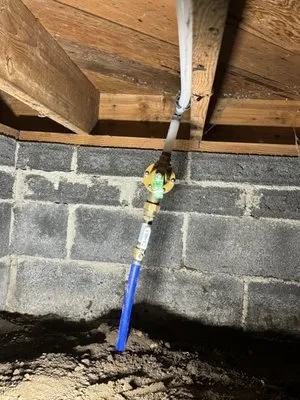
Razo’s Plumbing
Razo's Plumbing is a trusted, full-service plumbing company serving Olathe, KS homeowners and businesses. We specialize in comprehensive plumbing solutions, from routine repairs to complex installatio...
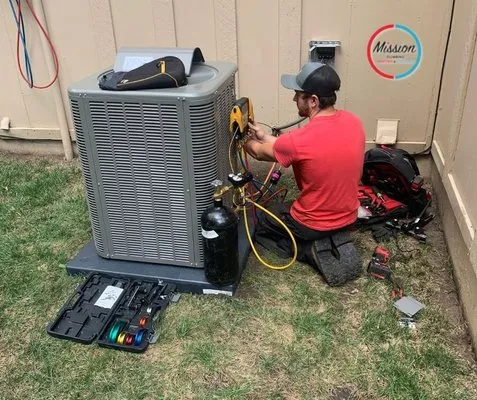
Mission Plumbing, Heating & Cooling
Mission Plumbing, Heating & Cooling has been a trusted local provider in Lenexa and the Kansas City metro since 1978, offering comprehensive plumbing, heating, and cooling services. With over 20 years...
Bright Side Plumbing
Bright Side Plumbing is a fourth-generation family business in Overland Park, KS, founded by master plumber Kalen Barker. After a two-year health struggle that left him wheelchair-bound, Kalen recover...
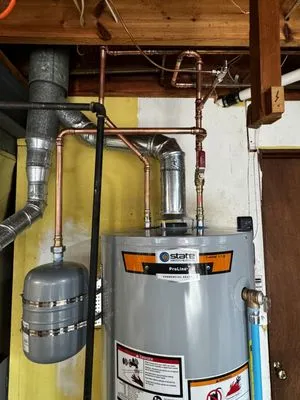
KC Metro Plumbing is a trusted, local plumbing service provider serving the Lenexa, KS community. We understand that many area homes face plumbing challenges, including faulty sump pumps and disruptiv...
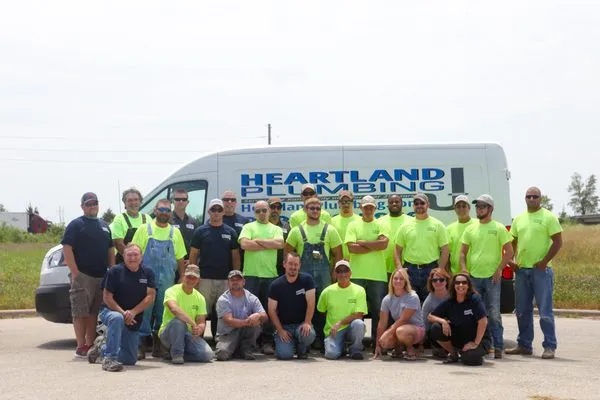
Since 1988, Heartland Plumbing has been a trusted, family-owned and operated plumbing service in the Kansas City area, now proudly serving Gardner and the surrounding communities. With over three deca...
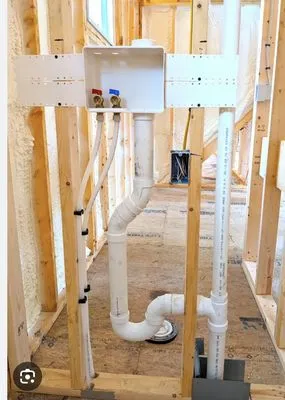
My Plumber KC is your trusted local plumbing partner in Kansas City, KS, dedicated to keeping your home's water flowing smoothly. We understand the common challenges local homeowners face, like hard w...
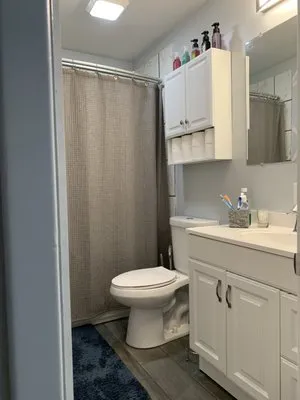
JB's Plumbing is a trusted, full-service plumbing company serving Kansas City, KS, and the surrounding areas. We specialize in comprehensive plumbing solutions, from routine repairs to complex install...
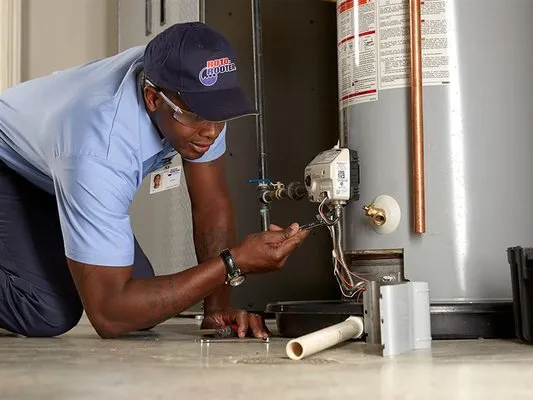
Roto-Rooter in Pittsburg, KS, is your reliable local plumbing partner, ready to help 24 hours a day, 7 days a week. As part of North America's largest network of plumbing and drain cleaning services, ...
Estimated Plumbing Costs in Stover, MO
FAQs
Does hard well water ruin water heaters and fixtures?
Yes, the mineral content in private well water around here accelerates scale buildup. Inside a water heater, this sediment insulates the heating elements, forcing them to work harder and fail sooner. On fixtures and faucet cartridges, the scale acts like an abrasive grit, wearing out seals and mechanisms. Installing a whole-house water softener is the most effective defense to protect your plumbing investment.
Are septic system issues different in rural Stover than in a city?
They require a more self-reliant approach. You're responsible for the entire system from the house to the drain field, unlike a municipal sewer connection. Well performance is also directly tied to your septic health; a failing drain field can contaminate groundwater. Maintenance like regular pumping every 3-5 years is not a suggestion—it's critical to avoid a costly system replacement, which involves Morgan County permitting for the drain field.
Why is my water pressure dropping in my Stover home?
Homes in Stover built around 1961 have 65-year-old galvanized steel pipes. The interior of these pipes corrodes over decades, and the resulting rust and scale buildup steadily reduces the inner diameter. You are likely seeing a gradual, persistent drop in water pressure as the flow path becomes more restricted, especially in homes near Stover City Center where many properties share this construction era. Eventually, the corrosion will lead to a complete blockage or a leak.
Could the hilly land here be causing my drainage problems?
Absolutely. The sloping terrain common around areas like the Morgan County Fairgrounds puts constant, uneven stress on underground sewer mains and drainage lines. Over years, this can cause pipes to settle, bow, or develop low spots that collect debris and lead to blockages. For septic systems, the hill's grade must be carefully calculated during installation to ensure proper effluent flow to the drain field.
How long does it take a plumber to get to Stover for an emergency?
For a plumbing emergency, my typical dispatch route starts by heading past the Morgan County Fairgrounds onto State Route 52. The drive into Stover itself takes about 45 to 60 minutes depending on traffic and weather conditions. I plan for the full hour to ensure I arrive with all necessary parts and equipment to address the issue without a second trip.
What permits are needed for a water heater or repipe in Morgan County?
Most plumbing replacements, like a water heater or a whole-house repipe, require a permit from Morgan County Planning and Zoning. The process ensures the work meets current code for safety and longevity. As a master plumber licensed by the Missouri Division of Professional Registration, I pull these permits, schedule the required inspections, and handle all the red tape. This protects your home's value and ensures the job is documented correctly.
What causes those small, rusty leaks in my basement pipes?
Those are pinhole leaks, a classic failure point for 1961-era galvanized steel. The pipe wall corrodes from the inside out, creating thin, weak spots that finally give way. You often find them at threaded joints or along horizontal runs where water sits. Once one pinhole appears, others are usually forming nearby, indicating systemic pipe failure that requires replacement, not just a patch.
What's the best way to prevent frozen pipes in a Missouri winter?
The key is action before our average low of 22°F hits. Every homeowner should locate and shut off the exterior hose bibs' interior supply valves each fall. For pipes in unheated crawl spaces, wrapping them with insulated foam sleeves is a reliable, low-cost measure. Pay special attention during the spring thaw, as repeated freeze-thaw cycles can stress old pipe joints and cause new leaks to appear.
