Top Emergency Plumbers in Saint Paul, MO, 63366 | Compare & Call

There are 180 plumbing companies server in Saint Paul MO
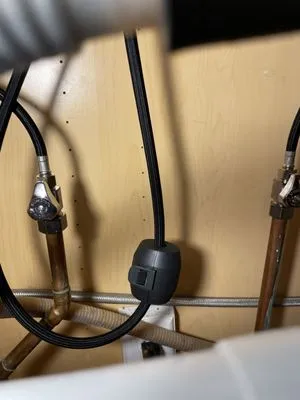
FS Plumbing is a trusted, locally-owned plumbing service based right in St. Peters, MO. We specialize in providing reliable residential plumbing solutions, from urgent repairs to planned installations...
Hosack Plumbing, Heating & Cooling
Hosack Plumbing, Heating & Cooling is a family-operated service provider with over 25 years of experience serving Brentwood, MO, and surrounding areas. We specialize in both residential and commercial...
AAA Home Services
With over 50 years of dedicated service to the St. Louis region, AAA Home Services has been a trusted partner for homeowners in O Fallon and beyond since 1970. Our team of 30 licensed, highly trained ...

Aqua Vitae Plumbing, a family-owned business serving Saint Louis since 1995, was founded on the principle that water is essential to life. Owners and brothers Shawn and Ken Behrle approach their trade...

Precision Plumbing Solutions is a family-owned plumbing service in O'fallon, MO, with deep roots in the community. Founded by Jeff Ray in 1997, the business grew from his decades of experience, which ...
For decades, Plumbers Supply has been a trusted fixture in the St. Louis plumbing community. In 2022, we joined forces with Ferguson, a national industry leader, to become Plumbers Supply Powered by F...
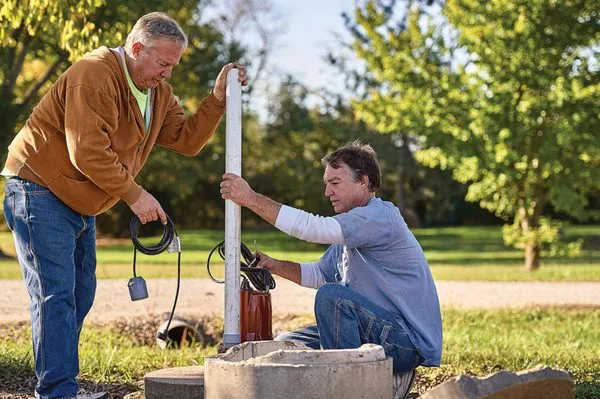
O'Fallon Sewer & Plumbing Repair Service
For over 50 years, O'Fallon Sewer & Plumbing Repair Service has been the trusted, family-owned choice for reliable plumbing and sewer solutions in Dardenne Prairie and across St. Charles, Warren, and ...

R S Johnson Plumbing is a trusted local plumbing service based in St. Peters, MO, dedicated to keeping homes and businesses running smoothly. With years of experience serving the St. Peters community,...
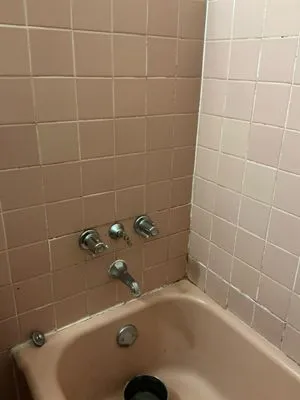
Rel-O Plumbing
Rel-O Plumbing has been the trusted local plumbing specialist for Florissant and St. Louis County for over 20 years. We are a family-owned and operated business focused on delivering reliable, durable...
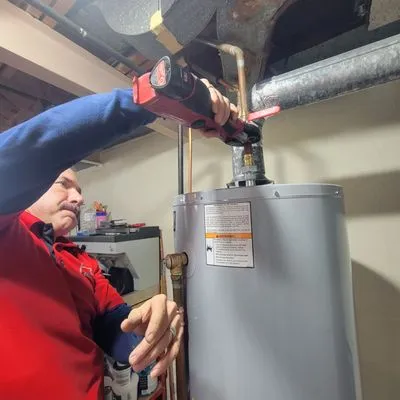
Arch Plumbing is a family legacy of craftsmanship in Lake Saint Louis, MO. Founded in 2008 by Master Licensed Plumber Brady, the company carries forward the artisanal approach taught by his father, Ge...
Estimated Plumbing Costs in Saint Paul, MO
Frequently Asked Questions
Could the flat land around St. Paul City Hall affect my home's drainage or sewer line?
The plain terrain means there's little natural slope for drainage. This can put static pressure on your main sewer line as it runs toward the municipal connection, making joints more prone to separation or root intrusion over time. It also means yard drainage is poor, so ensuring your downspouts extend well away from the foundation is critical to avoid water backing up into your basement.
Do I need a permit to replace the plumbing in my Saint Paul home?
Most substantial work requires a permit from the St. Charles County Building Division. As a Master Plumber licensed by the Missouri Division of Professional Registration, I handle pulling those permits and scheduling the required inspections. This ensures the work meets code, protects your home's value, and gives you a paper trail. My job is to manage that red tape so you don't have to.
Does Missouri River water cause problems for my water heater or fixtures?
Yes, the mineral content from the river makes our water hard. That hardness forms scale buildup inside pipes and appliances. Your water heater's heating elements can become coated, reducing efficiency and eventually failing. Fixtures like showerheads and faucet aerators clog frequently. Installing and maintaining a whole-house water softener is the standard solution to protect your plumbing investment.
Are there special plumbing concerns for a rural home in Saint Paul, MO?
Rural properties often rely on private wells and septic systems. Well components like the pressure tank and pump require regular service. For septic systems, the key is disciplined maintenance—pumping the tank every 3-5 years and avoiding garbage disposals that overload the drain field. These systems are your responsibility, unlike in a city, so understanding their basics is important.
What's the most important thing to do with my plumbing before spring in Saint Paul?
The big risk here is the spring thaw after our 22-degree lows. A pro-tip is to check all exterior hose bibs for freeze damage by turning them on before the pressure rises. Make sure your sump pump is cleared and tested, as thawing ground can saturate the plain. Taking these steps in late February can prevent flooded basements and slab leaks when the thaw peaks.
How quickly can a plumber get to my house in Saint Paul if I have a burst pipe?
Heading past St. Paul City Hall on US-79 is the main route into the neighborhoods. For an urgent call, a 45 to 60 minute dispatch is typical from our shop to your door. That includes travel time and loading the specific parts we know we'll need for older copper systems. We plan the route to avoid any bottlenecks and get there with the right tools.
My house in St. Paul Village was built around 1988. What kind of plumbing issues should I be watching for now?
Homes built in that era used copper pipe, which is now about 38 years old. At this stage, the natural corrosion process accelerates, especially at joints and solder points. Many homeowners here are noticing pinhole leaks in basements or behind walls, or discolored water from internal corrosion. It's a predictable lifespan issue, not a defect, and proactive inspection can prevent major water damage.
Why are my copper pipes from the late 80s suddenly springing leaks?
Copper pipe installed in 1988 is reaching the end of its serviceable life in our water conditions. Two common failures occur: pinhole leaks from internal pitting due to water chemistry, and joint failures where the solder has degraded over decades. The pipe wall itself gets thinner. Replacing entire failing sections, rather than just patching, is often the most reliable long-term fix.
