Top Emergency Plumbers in Oakville, MO, 63129 | Compare & Call

There are 238 plumbing companies server in Oakville MO
FS Plumbing is a trusted, locally-owned plumbing service based right in St. Peters, MO. We specialize in providing reliable residential plumbing solutions, from urgent repairs to planned installations...
Hosack Plumbing, Heating & Cooling
Hosack Plumbing, Heating & Cooling is a family-operated service provider with over 25 years of experience serving Brentwood, MO, and surrounding areas. We specialize in both residential and commercial...
AAA Home Services
With over 50 years of dedicated service to the St. Louis region, AAA Home Services has been a trusted partner for homeowners in O Fallon and beyond since 1970. Our team of 30 licensed, highly trained ...

Aqua Vitae Plumbing, a family-owned business serving Saint Louis since 1995, was founded on the principle that water is essential to life. Owners and brothers Shawn and Ken Behrle approach their trade...

Precision Plumbing Solutions is a family-owned plumbing service in O'fallon, MO, with deep roots in the community. Founded by Jeff Ray in 1997, the business grew from his decades of experience, which ...

SOS Plumbing is your trusted, family-owned plumbing service in St. Louis. Established in 2019 and built on over 15 years of hands-on experience, we are dedicated to providing reliable and affordable s...
Rel-O Plumbing
Rel-O Plumbing has been the trusted local plumbing specialist for Florissant and St. Louis County for over 20 years. We are a family-owned and operated business focused on delivering reliable, durable...
Maplewood Plumbing & Sewer
Maplewood Plumbing & Sewer, LLC is a family-owned and operated plumbing service based in St. Louis, MO, with deep roots in the community since 1985. Founded and managed by the Oberkrom family, current...

The Quick Fix Hero is your trusted, local handyman service in St. Peters, MO, founded on the belief that everyone deserves reliable help for everyday home repairs. We bridge the gap between DIY attemp...
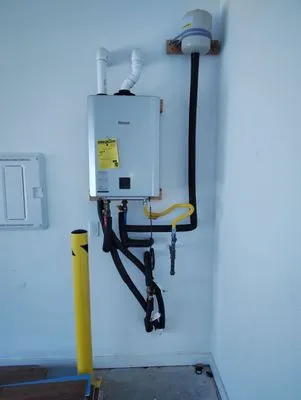
Express Services Plumbing is your trusted, local plumbing expert serving Creve Coeur, MO, and the surrounding areas. We understand the unique challenges homeowners face here, from basement flooding du...
Estimated Plumbing Costs in Oakville, MO
Question Answers
How fast can a plumber get to my house in Oakville?
My typical dispatch route has me heading past Cliff Cave Park and onto I-55, which puts me in most of Oakville within 30 to 45 minutes. Traffic on Telegraph Road or Baumgartner can add time, but that corridor is the most reliable path from the south county area. I plan routes to avoid the known afternoon backups near the I-55/255 interchange.
My Oakville home was built in the early 80s. Should I be worried about my plumbing?
Your copper pipes are now around 44 years old. For many homes in Oakville South, this is the age where pinhole leaks begin appearing in walls or ceilings, particularly in the original hot water lines. The copper has been through decades of thermal expansion and mineral abrasion from our hard water. It is common to see a cluster of small leaks develop over a few years rather than a single catastrophic failure.
Why do my copper pipes keep springing pinhole leaks?
Copper piping installed in 1982 is susceptible to pinhole leaks due to a process called type 2 pitting corrosion. Our area's hard water accelerates this, where microscopic pits in the pipe wall deepen over four decades until they penetrate. The leaks often start on horizontal hot water runs in the ceiling or behind walls. Repairs typically involve cutting out the failed section and soldering in a new piece of copper, or re-piping the affected line.
As a suburban homeowner, what's my responsibility for the sewer line?
You are responsible for the entire sewer lateral from your house out to the main connection in the street. In Oakville's older subdivisions, tree roots are the primary culprit for clogging these lines. A video inspection can show the condition of your clay or PVC pipe. Municipal water pressure is generally consistent, but sudden pressure drops can indicate a breach in the public main, which the county would address.
Does the Mississippi River water cause problems for my home's plumbing?
Yes, the treated river water is very hard, leading to significant scale buildup. Inside your water heater, this scale acts as an insulator, forcing the unit to work harder and fail prematurely. On faucets and showerheads, it restricts flow and degrades rubber seals. A whole-house water softener is the standard solution here to protect appliances and reduce wear on your pipes.
Could the hilly land in my neighborhood be causing plumbing issues?
Absolutely. The slope of properties, especially near areas like Cliff Cave Park, puts constant stress on the main sewer line running from your house to the street. Over decades, this can cause the pipe to sag or separate at a joint, creating a spot for roots to invade or for waste to back up. If you have recurring drain problems, the terrain is often a contributing factor to a compromised main line.
Do I need a permit to replace my water heater or repipe my house?
Yes, St. Louis County requires permits for that work, and it must be inspected. As a Master Plumber licensed by the St. Louis County Board of Plumbing Examiners, I pull all necessary permits and schedule the inspections with the Department of Public Works. My job is to handle that red tape and ensure the work meets code, so you don't have to navigate the county bureaucracy yourself.
What's the most important plumbing maintenance for an Oakville winter?
Insulate any exposed pipes in unheated crawl spaces or garages before temperatures hit the mid-20s. The bigger pro-tip is to disconnect and drain your garden hoses in the fall. A forgotten hose bib can freeze and crack the pipe inside the wall, leading to a major leak when the spring thaw comes and water pressure returns. This is a common, preventable call I get every March.
