Top Emergency Plumbers in Normandy, MO, 63121 | Compare & Call

There are 237 plumbing companies server in Normandy MO
FS Plumbing is a trusted, locally-owned plumbing service based right in St. Peters, MO. We specialize in providing reliable residential plumbing solutions, from urgent repairs to planned installations...
Hosack Plumbing, Heating & Cooling
Hosack Plumbing, Heating & Cooling is a family-operated service provider with over 25 years of experience serving Brentwood, MO, and surrounding areas. We specialize in both residential and commercial...
AAA Home Services
With over 50 years of dedicated service to the St. Louis region, AAA Home Services has been a trusted partner for homeowners in O Fallon and beyond since 1970. Our team of 30 licensed, highly trained ...
Aqua Vitae Plumbing, a family-owned business serving Saint Louis since 1995, was founded on the principle that water is essential to life. Owners and brothers Shawn and Ken Behrle approach their trade...

Precision Plumbing Solutions is a family-owned plumbing service in O'fallon, MO, with deep roots in the community. Founded by Jeff Ray in 1997, the business grew from his decades of experience, which ...

SOS Plumbing is your trusted, family-owned plumbing service in St. Louis. Established in 2019 and built on over 15 years of hands-on experience, we are dedicated to providing reliable and affordable s...
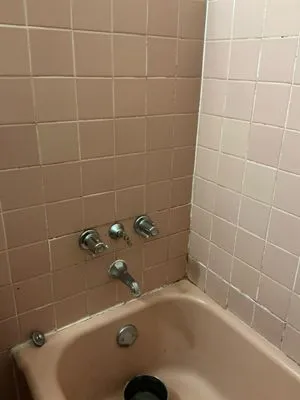
Rel-O Plumbing
Rel-O Plumbing has been the trusted local plumbing specialist for Florissant and St. Louis County for over 20 years. We are a family-owned and operated business focused on delivering reliable, durable...
Maplewood Plumbing & Sewer
Maplewood Plumbing & Sewer, LLC is a family-owned and operated plumbing service based in St. Louis, MO, with deep roots in the community since 1985. Founded and managed by the Oberkrom family, current...
The Quick Fix Hero is your trusted, local handyman service in St. Peters, MO, founded on the belief that everyone deserves reliable help for everyday home repairs. We bridge the gap between DIY attemp...
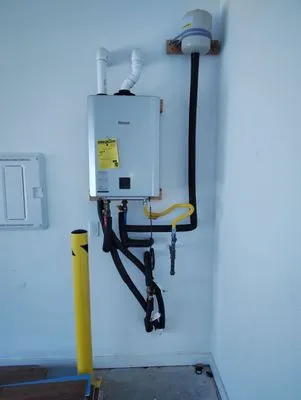
Express Services Plumbing is your trusted, local plumbing expert serving Creve Coeur, MO, and the surrounding areas. We understand the unique challenges homeowners face here, from basement flooding du...
Estimated Plumbing Costs in Normandy, MO
Questions and Answers
Could the flat land around here be causing my slow basement drainage?
The relatively plain terrain around UMSL and Normandy means there's little natural slope to aid drainage. During heavy rains, saturated soil can put hydrostatic pressure on your foundation and basement floor drains. This constant pressure also stresses the main sewer line exiting your home, making older clay or cast iron pipes more susceptible to root intrusion or joint failure over time.
Why does my water heater fail so often, and are my appliances at risk?
Hard water from the Missouri River aquifer carries a high mineral content that accelerates scale buildup. Inside your water heater, that scale acts as an insulator, causing the unit to overwork and overheat, which shortens its life. You'll also see reduced flow and premature failure in fixtures like shower valves and dishwasher inlet screens. Installing a whole-house water softener is the most effective long-term defense for your hardware.
What should I do to prepare my plumbing for a Missouri spring?
The spring thaw, combined with our typical low around 24 degrees, shifts the ground and can stress already-weakened pipes. A key pro-tip is to locate and test your main water shut-off valve before the season starts. Make sure it turns freely. If you have an older home with galvanized lines, this is also the time to inspect your basement or crawlspace for any slow leaks that may have developed over the winter.
How quickly can a plumber get to Normandy from St. Louis for an emergency?
Heading past University of Missouri-St. Louis on I-70 is the direct route, which puts most of Normandy within a 20 to 30 minute dispatch window for a local operation. That corridor allows a fast response to calls from the Glen Echo Park area, even during typical traffic. Knowing the arterial routes around here is part of the job for any service provider working in North County.
My drains are slow, but the city says the main sewer line is clear. What's happening?
In a suburban setting like ours, the problem is often in the private lateral line running from your house to the municipal main. Tree roots seek out the moisture and nutrients in these pipes, especially at the older joint connections. Over time, roots and scale can create a complete blockage that only affects your property. A sewer camera inspection is the definitive way to diagnose this without unnecessary excavation.
My water pressure is dropping and my water is rust-colored. Is this just my house or a neighborhood issue?
It's a common issue for homes built around 1960, which puts your galvanized steel pipes at about 66 years old. In neighborhoods like Glen Echo Park, that lifespan is the point where scale buildup and internal corrosion severely restrict flow. You'll see rust-colored water when the scale gets dislodged, and the pressure drop happens as the pipe's interior diameter shrinks. This isn't a fluke; it's a predictable failure point for the original plumbing.
What's the most common plumbing repair for a 1960s Normandy home?
Pinhole leaks in galvanized steel supply lines are the most frequent call. After 60-plus years, the zinc coating that protects the steel wears away, allowing the underlying metal to corrode from the inside out. These leaks often appear first at threaded joints or fittings where the metal is thinnest. You'll typically find them in basements or crawlspaces before they manifest as water damage on a ceiling.
What permits are needed for a water heater replacement in Normandy, and who handles it?
A water heater replacement requires a permit from the Normandy Building Department and a final inspection to ensure it meets current code, including proper expansion tank and pan installation. As a licensed master plumber, I pull those permits and coordinate the inspection with St. Louis County Department of Public Health as part of the job. My role is to handle that red tape so you don't have to navigate the process yourself.
