Top Emergency Plumbers in Moline Acres, MO, 63136 | Compare & Call

There are 226 plumbing companies server in Moline Acres MO
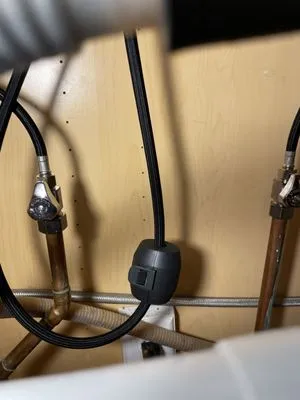
FS Plumbing is a trusted, locally-owned plumbing service based right in St. Peters, MO. We specialize in providing reliable residential plumbing solutions, from urgent repairs to planned installations...
Hosack Plumbing, Heating & Cooling
Hosack Plumbing, Heating & Cooling is a family-operated service provider with over 25 years of experience serving Brentwood, MO, and surrounding areas. We specialize in both residential and commercial...
AAA Home Services
With over 50 years of dedicated service to the St. Louis region, AAA Home Services has been a trusted partner for homeowners in O Fallon and beyond since 1970. Our team of 30 licensed, highly trained ...

Aqua Vitae Plumbing, a family-owned business serving Saint Louis since 1995, was founded on the principle that water is essential to life. Owners and brothers Shawn and Ken Behrle approach their trade...
Maplewood Plumbing & Sewer
Maplewood Plumbing & Sewer, LLC is a family-owned and operated plumbing service based in St. Louis, MO, with deep roots in the community since 1985. Founded and managed by the Oberkrom family, current...
The Quick Fix Hero is your trusted, local handyman service in St. Peters, MO, founded on the belief that everyone deserves reliable help for everyday home repairs. We bridge the gap between DIY attemp...
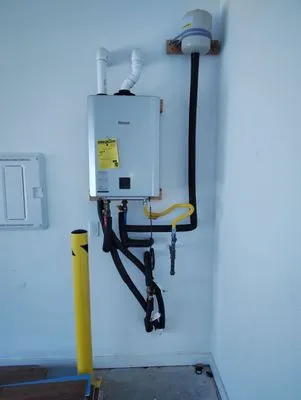
Express Services Plumbing is your trusted, local plumbing expert serving Creve Coeur, MO, and the surrounding areas. We understand the unique challenges homeowners face here, from basement flooding du...

Performance Plumbing
Performance Plumbing has been a trusted plumbing partner for Wentzville residents since 1991. Founded by Cheryl Rolwes, we began specializing in new construction and have grown to offer comprehensive ...
Kirkwood Plumbing is a licensed plumbing company serving Kirkwood, MO and the greater St. Louis area with over 30 years of experience. We provide comprehensive plumbing services including emergency re...
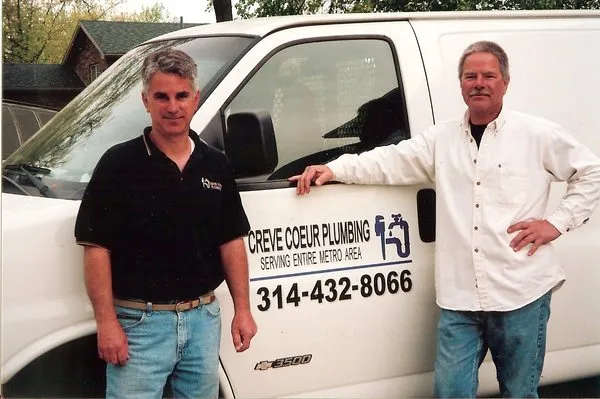
Creve Coeur Plumbing
Creve Coeur Plumbing is a family-owned plumbing company serving Saint Charles, MO, and the greater St. Louis metro area since 1970. Founded by Oskar Jakob and now operated by his sons Garry and Ron, t...
Estimated Plumbing Costs in Moline Acres, MO
Question Answers
Does Missouri River water damage my home's plumbing and water heater?
The mineral content from the Missouri River creates very hard water. This leads to significant scale buildup inside appliances and pipes. In water heaters, this scale acts as an insulating blanket on the heating elements, forcing them to work harder and fail prematurely. It also drastically reduces the tank's capacity and efficiency. On fixtures, you'll see crusty deposits around aerators and showerheads.
As a suburb, what common plumbing issues should I expect in Moline Acres?
In this suburban setting, you're connected to municipal water and sewer. A frequent issue is tree root intrusion into the private sewer lateral that runs from your house to the main street line. Roots seek moisture and can infiltrate old pipe joints. Another concern is variable municipal water pressure, which can stress aging galvanized pipes and appliance connections. Regular checks of your pressure regulator are advised.
How fast can a plumber get to Moline Acres for an emergency leak?
My dispatch route typically involves heading past the St. Louis Riverfront on I-270 directly into the community. For most calls from our service area, that translates to a consistent 20-30 minute response window. We prioritize leak calls to ensure we can isolate your water and start mitigation as quickly as possible after you call.
Who handles permits and inspections for a repipe or sewer repair in Moline Acres?
I manage all necessary permits through the Moline Acres Building Department and coordinate any required inspections with the St. Louis County Department of Public Health. My license is current with the county, which is mandatory for this work. Handling this red tape is part of the job—you won't need to navigate the municipal offices yourself. Proper permits ensure the repair meets code and protects your home's value.
What should I do to prepare my plumbing for a Missouri spring thaw?
Our spring thaw can be a peak time for leaks as ground shifts. A key pro-tip is to locate and inspect your main water shut-off valve now, before you need it. Ensure it turns freely. Also, check any exposed pipes in basements or crawlspaces for signs of existing moisture or corrosion that the thaw could worsen. Addressing minor drips in winter prevents major leaks when the ground fully thaws and water pressure normalizes.
Could the flat land here cause drainage or sewer problems for my home?
The relatively plain terrain around the St. Louis Riverfront means drainage relies heavily on proper grading and clear sewer lines. Over time, soil settlement can create low spots in your yard that pool water against the foundation. For the main sewer line, even a slight belly or sag caused by soil movement can allow waste and debris to collect, leading to recurrent slow drains or blockages that need professional jetting.
What causes sudden pinhole leaks in the pipes of older Moline Acres houses?
Galvanized steel installed around 1961 corrodes from the inside out. The original zinc coating wears away over time, exposing the base steel to water and oxygen. This creates localized corrosion pits that eventually perforate the pipe wall, resulting in those sudden pinhole leaks. Joints are especially vulnerable as the threaded connections lose their seal from decades of scale buildup and metal fatigue.
Why are my pipes making noise and water pressure is low in my Moline Acres home?
Your home's galvanized steel plumbing is now about 65 years old. In the Moline Acres Residential District, we're seeing these pipes reach the end of their service life. Mineral scale and rust have built up inside the pipe walls for decades, reducing the internal diameter. This causes the low pressure you notice and often leads to that banging noise, known as water hammer, as water struggles to flow through the restricted pipes.
