Top Emergency Plumbers in Lemay, MO, 63123 | Compare & Call

There are 237 plumbing companies server in Lemay MO
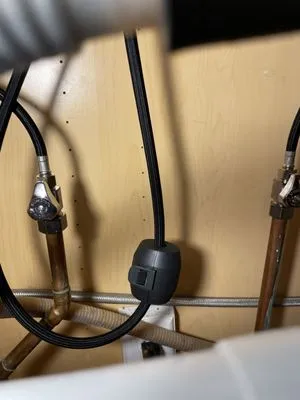
FS Plumbing is a trusted, locally-owned plumbing service based right in St. Peters, MO. We specialize in providing reliable residential plumbing solutions, from urgent repairs to planned installations...
Hosack Plumbing, Heating & Cooling
Hosack Plumbing, Heating & Cooling is a family-operated service provider with over 25 years of experience serving Brentwood, MO, and surrounding areas. We specialize in both residential and commercial...
AAA Home Services
With over 50 years of dedicated service to the St. Louis region, AAA Home Services has been a trusted partner for homeowners in O Fallon and beyond since 1970. Our team of 30 licensed, highly trained ...

Aqua Vitae Plumbing, a family-owned business serving Saint Louis since 1995, was founded on the principle that water is essential to life. Owners and brothers Shawn and Ken Behrle approach their trade...

Precision Plumbing Solutions is a family-owned plumbing service in O'fallon, MO, with deep roots in the community. Founded by Jeff Ray in 1997, the business grew from his decades of experience, which ...

SOS Plumbing is your trusted, family-owned plumbing service in St. Louis. Established in 2019 and built on over 15 years of hands-on experience, we are dedicated to providing reliable and affordable s...
Maplewood Plumbing & Sewer
Maplewood Plumbing & Sewer, LLC is a family-owned and operated plumbing service based in St. Louis, MO, with deep roots in the community since 1985. Founded and managed by the Oberkrom family, current...

The Quick Fix Hero is your trusted, local handyman service in St. Peters, MO, founded on the belief that everyone deserves reliable help for everyday home repairs. We bridge the gap between DIY attemp...
Express Services Plumbing is your trusted, local plumbing expert serving Creve Coeur, MO, and the surrounding areas. We understand the unique challenges homeowners face here, from basement flooding du...

Performance Plumbing
Performance Plumbing has been a trusted plumbing partner for Wentzville residents since 1991. Founded by Cheryl Rolwes, we began specializing in new construction and have grown to offer comprehensive ...
Estimated Plumbing Costs in Lemay, MO
Q&A
Does Mississippi River water damage my plumbing?
The river supplies our municipal water, which is very hard. That mineral content creates scale buildup inside pipes and appliances. Your water heater is particularly vulnerable; sediment and scale drastically reduce its efficiency and lifespan. You'll see the same chalky buildup shortening the life of faucet cartridges and valve seats throughout the house.
How long does it take for a plumber to get to Lemay?
A typical dispatch route from our service area heads past Jefferson Barracks Park onto I-55 northbound. That direct corridor gets us into most of Lemay within 30 to 45 minutes. We factor in traffic patterns and keep local routes mapped for efficiency, so you get a reliable ETA.
Why is my water pressure so low in my older Lemay home?
Houses here, especially around Cliff Cave, were built around 1956 with galvanized steel pipes. That puts them at 70 years old now. At this age, the interior of those pipes has corroded nearly shut with rust and mineral scale, which acts like plaque in an artery. The result is a steady, significant drop in water volume at your fixtures that a simple aerator cleaning won't fix.
Could the hills in my yard be causing plumbing problems?
The hilly terrain, similar to the slopes around Jefferson Barracks Park, puts constant stress on your main sewer line. Gravity works harder on the steeper drops, which can lead to joint separation in older clay or cast iron lines. On the supply side, it can create uneven pressure zones in the house. Proper support and alignment during any repair are critical here.
My galvanized pipe has a small leak. What's happening?
Galvanized steel from the 1950s fails in predictable ways. Pinhole leaks are common, caused by internal rust that eats through the pipe wall. Joints also fail due to calcification; the original threaded connections lose their seal as the metal corrodes and expands. This isn't a simple fix—it's a systemic failure indicating the entire pipe run is nearing the end of its service life.
Who handles permits for a water heater replacement in St. Louis County?
Permits and inspections fall under the St. Louis County Department of Transportation and Public Works. As a Master Plumber licensed by the St. Louis County Board of Plumbing Examiners, I pull the required permits and schedule inspections for all major work. My credential means I handle that red tape directly, ensuring the installation meets all current code, so you don't have to navigate it yourself.
What should I do to prepare my plumbing for a Missouri spring?
The spring thaw here, after lows around 24°F, shifts the ground and can expose weak points. A key pro-tip is to check all exterior hose bibbs for slow leaks after the frost fully leaves the ground. Also, listen for running water sounds in walls or ceilings, as thawing can reveal pinhole leaks in old pipes that weren't apparent during the freeze.
As a Lemay homeowner, what are my main sewer line concerns?
In our suburban setting, the primary issue is the sewer lateral from your house to the county main. Tree roots seek out the moisture in old pipe joints, especially after spring rains. Combined with the age of the infrastructure, this often leads to blockages or collapses. Municipal water pressure is generally stable, but aging interior pipes are the real pressure bottleneck.
