Top Emergency Plumbers in Lake Winnebago, MO, 64034 | Compare & Call

There are 117 plumbing companies server in Lake Winnebago MO
Anthony Plumbing, Heating, Cooling & Electric
Anthony Plumbing, Heating, Cooling & Electric has been serving the Kansas City metro area since 1951, providing reliable plumbing, HVAC, and electrical services to Lenexa residents. With a legacy that...
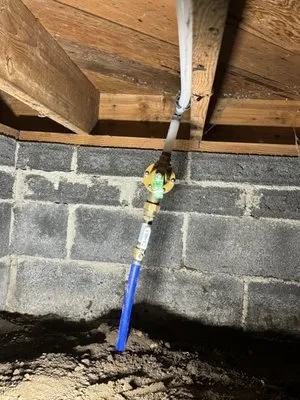
Razo’s Plumbing
Razo's Plumbing is a trusted, full-service plumbing company serving Olathe, KS homeowners and businesses. We specialize in comprehensive plumbing solutions, from routine repairs to complex installatio...
On Time Plumbing, Heating, Cooling & Electric is a trusted, licensed service provider for Lenexa homeowners. We specialize in comprehensive plumbing, HVAC, and electrical solutions, from routine maint...
Superior Plumbing & Gas LLC
Superior Plumbing & Gas LLC is a family-owned plumbing and gas company serving Leawood, KS, and surrounding areas. Founded by Caleb, a Master Plumber with over a decade of experience, the business was...
Tried & True Plumbing KC is a locally owned and operated plumbing service based in Olathe, serving the Kansas City Metropolitan area. With expertise in both residential and commercial plumbing, we spe...
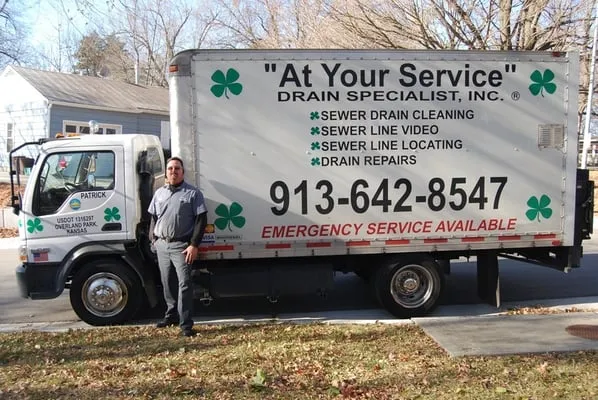
At Your Service Drain Cleaning Specialists is a family-owned plumbing business that has been serving Johnson County and the Kansas City area since 1963. Founded by a plumber whose father and grandfath...
Handyman Force is a veteran-owned, locally-operated home repair service based in Overland Park, KS. Founded by Overland Park native and former U.S. Naval Seabee Michael McKean, the company brings a di...
Since 2000, Southside Plumbing has been a trusted, local resource for Overland Park homeowners and businesses. Founded on a commitment to reliable service, we bring over 40 years of combined experienc...
A-1 Sewer & Septic has been the trusted plumbing service for Kansas City, KS, and surrounding areas like Shawnee, Leawood, and Overland Park since 1968. As an experienced Johnson County plumbing compa...
My Plumber KC is your trusted local plumbing partner in Kansas City, KS, dedicated to keeping your home's water flowing smoothly. We understand the common challenges local homeowners face, like hard w...
Estimated Plumbing Costs in Lake Winnebago, MO
Common Questions
What's the most important spring plumbing task for Lake Winnebago homes?
Before the spring thaw hits its peak, check all exterior hose bibs for freeze damage. A slow drip from a cracked sillcock can go unnoticed until it soaks a foundation wall. Shut off the interior valve, open the exterior bib to drain it, and look for seepage. This simple check prevents the most common warm-weather water leak we see.
Does Missouri River water damage my water heater?
The hard water from the Missouri River leads to significant scale buildup inside your water heater's tank and on its heating elements. This insulating layer reduces efficiency and causes the unit to work harder, shortening its life. Annual flushing can help, but the mineral content here means you should budget for replacement sooner than in soft-water areas.
Who pulls permits for a water heater replacement in Lake Winnebago?
As a Missouri Division of Professional Registration licensed master plumber, I handle all required permits with the City of Lake Winnebago Building Department for any work I perform. This includes the inspection to ensure code compliance for your safety. My license means you don't have to navigate that red tape yourself.
Could my home's slope be causing plumbing problems?
The hilly terrain around Lake Winnebago can put lateral stress on your main water line where it enters the house. Over decades, soil settlement may cause a slight bend or stress point at that entry, a prime spot for a leak. It also affects drainage; ensure your downspouts divert water well away from the foundation to keep that soil stable.
How fast can a plumber get to Lake Winnebago in an emergency?
Heading past Lake Winnebago on US-50, my dispatch route into the community takes about 30 minutes. I keep a truck stocked for common local failures, so that drive time is all diagnostics and repair work, not parts fetching. For a true water-off emergency, that's the standard response window.
Why do I keep getting pinhole leaks in my copper pipes?
Pinhole leaks in 1980s-era copper are often caused by a combination of age and local water conditions. The interior of the pipe develops localized corrosion pits, which eventually perforate. This is accelerated by the original solder joints degrading and minor, constant vibration from appliances. It's a systemic issue for plumbing of this vintage here.
We're on city water. What pressure is normal for our area?
Municipal pressure in Lake Winnebago typically runs between 50-70 PSI. If you're experiencing much higher pressure, it can stress older copper joints and appliance valves. Installing a pressure regulator on your main line is a wise investment to protect your plumbing system, especially given the age of the infrastructure.
Our copper plumbing is from the 80s. Should I be worried?
Copper pipes installed around 1980 are now 46 years old. In homes throughout Winnebago Estates, we're seeing the natural end of that lifespan manifest as persistent pinhole leaks, especially in hot water lines. The thin-wall copper common then is succumbing to decades of water chemistry and thermal cycling. It's not a question of if, but when sections will need replacement.
