Top Emergency Plumbers in Kirkwood, MO, 63122 | Compare & Call

There are 239 plumbing companies server in Kirkwood MO
FS Plumbing is a trusted, locally-owned plumbing service based right in St. Peters, MO. We specialize in providing reliable residential plumbing solutions, from urgent repairs to planned installations...
Hosack Plumbing, Heating & Cooling
Hosack Plumbing, Heating & Cooling is a family-operated service provider with over 25 years of experience serving Brentwood, MO, and surrounding areas. We specialize in both residential and commercial...
AAA Home Services
With over 50 years of dedicated service to the St. Louis region, AAA Home Services has been a trusted partner for homeowners in O Fallon and beyond since 1970. Our team of 30 licensed, highly trained ...

Aqua Vitae Plumbing, a family-owned business serving Saint Louis since 1995, was founded on the principle that water is essential to life. Owners and brothers Shawn and Ken Behrle approach their trade...

Precision Plumbing Solutions is a family-owned plumbing service in O'fallon, MO, with deep roots in the community. Founded by Jeff Ray in 1997, the business grew from his decades of experience, which ...

SOS Plumbing is your trusted, family-owned plumbing service in St. Louis. Established in 2019 and built on over 15 years of hands-on experience, we are dedicated to providing reliable and affordable s...
Rel-O Plumbing
Rel-O Plumbing has been the trusted local plumbing specialist for Florissant and St. Louis County for over 20 years. We are a family-owned and operated business focused on delivering reliable, durable...
Maplewood Plumbing & Sewer
Maplewood Plumbing & Sewer, LLC is a family-owned and operated plumbing service based in St. Louis, MO, with deep roots in the community since 1985. Founded and managed by the Oberkrom family, current...
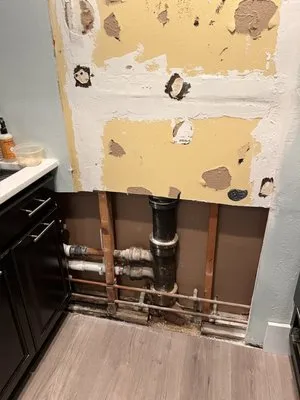
Drain Solutions & Plumbing Services
Drain Solutions & Plumbing Services LLC is a full-service plumbing and drain cleaning company serving St. Peters, MO. Our trained and licensed technicians are equipped to troubleshoot and resolve even...

The Quick Fix Hero is your trusted, local handyman service in St. Peters, MO, founded on the belief that everyone deserves reliable help for everyday home repairs. We bridge the gap between DIY attemp...
Estimated Plumbing Costs in Kirkwood, MO
Common Questions
Does Kirkwood's hilly terrain affect my home's drainage?
Hilly slopes around Kirkwood Train Station create drainage challenges that stress main sewer lines. Downward pressure on pipes can cause joint separation, while uphill properties face slow drainage and potential backups. Soil erosion exposes pipes to temperature fluctuations and physical damage. Proper grading and regular line inspections prevent most terrain-related issues.
Who handles permits and inspections for plumbing work in Kirkwood?
The Kirkwood Building Commissioner issues permits for plumbing modifications, while St. Louis County Department of Public Health oversees code compliance. I handle the red tape so you don't have to, submitting all required documentation and scheduling inspections. Proper permitting ensures work meets current standards and protects your home's value during future sales.
How long do galvanized steel pipes last in Kirkwood homes?
Galvanized steel pipes installed around 1962 are now 64 years old. In Kirkwood Old Town, homeowners are seeing frequent pinhole leaks and reduced water pressure as the zinc coating has worn away. Rust buildup inside the pipes restricts flow and causes discolored water. At this age, complete pipe replacement often becomes more cost-effective than repeated repairs.
Does Missouri River water damage my plumbing fixtures?
Hard water from the Missouri River causes scale buildup that reduces water heater efficiency by 20-30% over time. Mineral deposits clog aerators and showerheads, requiring frequent cleaning. Water heaters suffer most, with sediment accumulation shortening their lifespan. Installing a water softener protects appliances and maintains consistent water pressure throughout your home.
What should I do before spring thaw to prevent plumbing problems?
Before temperatures rise above freezing, disconnect garden hoses and shut off exterior faucets from inside. Insulate pipes in unheated crawl spaces, as 24-degree lows can still cause freezing. Check for foundation cracks where melting snow might seep in. Spring thaw puts extra pressure on older pipes, so addressing minor leaks now prevents major emergencies later.
How quickly can a plumber reach my home in Kirkwood?
Heading past Kirkwood Train Station on I-44 provides efficient access to most neighborhoods. Our typical dispatch route from that area reaches homes within 20-30 minutes during normal traffic. We monitor local conditions to avoid delays, ensuring prompt service when you have a plumbing emergency.
Why do my old pipes keep springing leaks?
Galvanized steel pipes from the 1960s develop pinhole leaks as corrosion eats through the metal. Joint calcification occurs where mineral deposits weaken connections over decades. These failures happen internally first, so by the time you notice water damage, the pipe integrity has already compromised. Replacing sections often reveals adjacent weak spots ready to fail.
How does Kirkwood's suburban setting impact my plumbing system?
Municipal water pressure in Kirkwood typically ranges 40-60 psi, which is manageable for most homes but can stress older galvanized pipes. Tree roots seek moisture in clay soil, often invading sewer laterals through small cracks. Unlike rural areas with wells and septic systems, suburban homes connect to city water and sewer, requiring different maintenance approaches for shared infrastructure.
