Top Emergency Plumbers in Grand River, MO, 64429 | Compare & Call

There are 239 plumbing companies server in Grand River MO
Archer Plumbing is a family-owned and operated business with deep roots in the Kansas City area, spanning five generations of plumbing expertise. For over 40 years, we've proudly served Overland Park ...
Anthony Plumbing, Heating, Cooling & Electric
Anthony Plumbing, Heating, Cooling & Electric has been serving the Kansas City metro area since 1951, providing reliable plumbing, HVAC, and electrical services to Lenexa residents. With a legacy that...
For over 25 years, Michael Roemhild and the team at Leak Finders have been the trusted local specialists for leak detection and plumbing solutions in Overland Park. Founded on a vision of customer-fir...
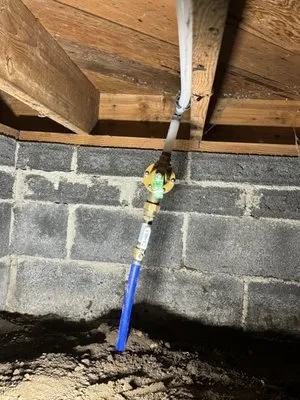
Razo’s Plumbing
Razo's Plumbing is a trusted, full-service plumbing company serving Olathe, KS homeowners and businesses. We specialize in comprehensive plumbing solutions, from routine repairs to complex installatio...
Mission Plumbing, Heating & Cooling
Mission Plumbing, Heating & Cooling has been a trusted local provider in Lenexa and the Kansas City metro since 1978, offering comprehensive plumbing, heating, and cooling services. With over 20 years...
Bright Side Plumbing
Bright Side Plumbing is a fourth-generation family business in Overland Park, KS, founded by master plumber Kalen Barker. After a two-year health struggle that left him wheelchair-bound, Kalen recover...
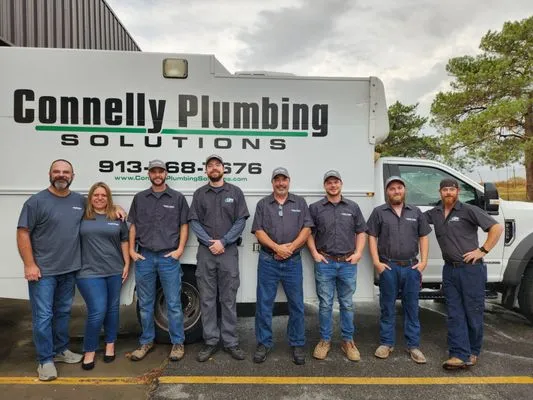
Connelly Plumbing Solutions is a family-owned plumbing company serving Lenexa, KS, and the greater Kansas City area since 2012. Founded by Master Plumber Steve Connelly, who began his career in 1995 t...
On Time Plumbing, Heating, Cooling & Electric is a trusted, licensed service provider for Lenexa homeowners. We specialize in comprehensive plumbing, HVAC, and electrical solutions, from routine maint...
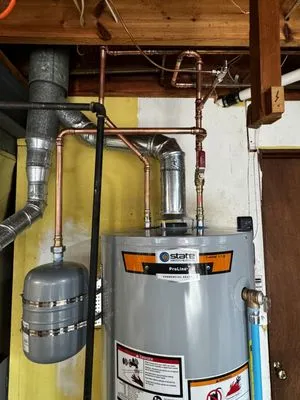
KC Metro Plumbing is a trusted, local plumbing service provider serving the Lenexa, KS community. We understand that many area homes face plumbing challenges, including faulty sump pumps and disruptiv...
Hamilton Plumbing, Heating, A/C & Rooter
Hamilton Plumbing, Heating, A/C & Rooter has been serving the Kansas City Metro area since 1983, starting from Bob's garage and growing into a trusted local provider of comprehensive home services. We...
Estimated Plumbing Costs in Grand River, MO
Questions and Answers
Does Grand River water damage water heaters?
Yes, the hard water common here accelerates scale buildup inside the tank and on heating elements. This insulating layer of mineral deposits forces the heater to work harder, shortening its lifespan and reducing efficiency. We recommend flushing the tank annually and considering a whole-house water softener to protect all your appliances and fixtures.
Why are my 1980s copper pipes suddenly springing pinhole leaks?
Copper pipes from that era can develop pinhole leaks due to a combination of age and localized corrosion. Over four decades, microscopic imperfections in the pipe wall or minor electrolysis from improper grounding can create weak spots. Water pressure eventually pushes through, resulting in those small, frustrating leaks.
How fast can a plumber get to me near the Grand River Dam?
Heading past Grand River Dam on I-35 is the primary dispatch route for most calls in the area. From there, service vehicles fan out along the county roads. A typical response for an urgent call is 45 to 60 minutes, depending on final location and road conditions.
Do I need a permit to replace my water heater in Livingston County?
Yes, most water heater replacements require a permit from Livingston County Planning and Zoning to ensure code compliance for safety and expansion tanks. As a master plumber licensed by the Missouri Division of Professional Registration, I handle pulling that permit and scheduling the required inspection. My credential number is on the invoice, which satisfies the county's documentation requirements for the work.
Can the flat land near the river cause drainage problems for my plumbing?
The relatively plain terrain means stormwater and groundwater have less natural runoff. Saturated soil around your foundation, especially after heavy rain or snowmelt, increases hydrostatic pressure against your basement floor and can overwhelm perimeter drains. It also puts constant, uneven stress on the main sewer line exiting your home, leading to potential settlement and bellied pipes.
As a rural homeowner, what unique plumbing systems should I maintain?
Your private well and septic system require scheduled maintenance that municipal homes don't. Well pumps and pressure tanks have a finite lifespan, and the hard water can clog injectors. Septic tanks need pumping every 3-5 years; neglecting this can lead to drain field failure, which is a major repair. Treating these as critical home systems prevents costly emergencies.
What's the most important plumbing tip for Grand River winters?
Insulate any pipes in unheated crawl spaces or against exterior walls before temperatures hit the 19-degree lows. The bigger annual risk here is the spring thaw, when ground saturation can shift foundations and stress underground lines. Knowing where your main water shutoff is located provides the fastest response for any seasonal leak.
How long do copper pipes last in Grand River Estates?
Homes built around 1986 have copper plumbing that is now 40 years old. At this age, we routinely see the original solder joints and fittings begin to fail. In Grand River Estates, homeowners are calling about slow leaks inside walls or under slabs that manifest as damp spots or a sudden drop in water pressure.
