Top Emergency Plumbers in Gower, MO, 64454 | Compare & Call

There are 15 plumbing companies server in Gower MO
Razo’s Plumbing
Razo's Plumbing is a trusted, full-service plumbing company serving Olathe, KS homeowners and businesses. We specialize in comprehensive plumbing solutions, from routine repairs to complex installatio...

Aegis Fire Protection
Aegis Fire Protection LLC has been a trusted provider of comprehensive fire safety and related plumbing services for the Kansas City Metro and Springfield, MO areas since 2007. Based in Overland Park,...
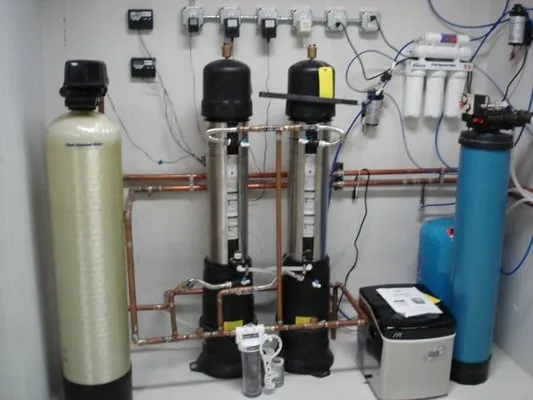
Fresh KC Water is a locally owned and operated water treatment company serving Shawnee, KS, and the greater Kansas City area for over 30 years. Specializing in residential water treatment equipment, t...

Royal Services
Royal Services in Overland Park, KS, has been a trusted local provider of facility maintenance and project management services since 1993. Founded by Tom and Charlene Shyver as Royal Mechanical Servic...
Priority U
Priority U is a family-owned restaurant repair service established in 1998, dedicated to putting Kansas City clients first. With over two decades of industry experience, founder Terry built the compan...

AA Drain Medic is a Kansas City plumbing service with over 25 years of local expertise, founded by a Master Plumber who holds master mechanical and EPA Air certifications. Starting with drain services...

St Joseph Plumbing & Heating is a trusted, full-service provider for homeowners in Saint Joseph, MO. We understand the specific challenges local residents face, from the freeze-thaw cycles that stress...
Beagley Heating and Cooling
Beagley Heating and Cooling is a family-owned and operated HVAC and plumbing company serving Blue Springs, MO, with over 20 years of industry experience. We specialize in comprehensive heating, coolin...

A-Rite provides comprehensive plumbing services for homes and businesses in Saint Joseph, MO, addressing everything from routine repairs to major installations. Our licensed technicians are experts in...

Dom's Quick Fixes is a trusted, full-service handyman business serving homeowners in Cameron, MO, and the surrounding area. We specialize in a wide range of home repair and maintenance services, from ...
Estimated Plumbing Costs in Gower, MO
Questions and Answers
Could the hilly land around here be causing my slow drains?
Hilly terrain like around Gower City Park directly affects your main sewer line. The slope can put constant stress on the pipe, leading to bellies or misaligned joints where waste collects. Over time, this creates a chronic drainage issue. It also impacts how surface water drains during heavy rain, which can test your home's foundation drainage systems.
Are there special plumbing considerations for a rural home in Gower?
Rural properties here typically rely on a private well and septic system, not city utilities. That means maintenance responsibility falls entirely on the homeowner. Well pump pressure switches and septic tank baffles need regular checks. A failing septic system on our clay-heavy soil is a much larger repair than a clogged city sewer lateral.
Does our hard Missouri River water damage plumbing appliances?
Yes, the mineral content from the Missouri River leads to significant scale buildup. Inside a water heater, this scale acts as an insulator, forcing the unit to work harder and fail sooner. On fixtures and showerheads, it restricts flow and can corrode internal seals. An annual flush of your water heater can mitigate some of this damage.
Why do my copper pipes keep springing pinhole leaks?
Copper pipe from the early 1970s suffers from a specific type of corrosion. Over 50 years, the protective inner lining wears thin. Pinhole leaks often start where soldered joints create a slight electrochemical difference, accelerating corrosion. This is a common failure point for Gower homes of that era, and patching one leak often means others are not far behind.
Who handles the permits for a water heater replacement or a new bathroom in Clinton County?
Clinton County Planning and Zoning requires permits for most major plumbing work. As a master plumber licensed by the Missouri Division of Professional Registration, I pull those permits and schedule the required inspections. My license number is on every job sheet, which means I handle the red tape so you don't have to navigate the county offices yourself.
What's the most important thing to do before spring in Gower to avoid plumbing problems?
Before the spring thaw hits its peak, disconnect and drain your garden hoses. A hose left connected traps water in the exterior bib, which can freeze and burst the pipe inside your wall. That 18-degree low we get means any residual water in an unprotected line can still cause a costly split when it expands.
How long does it take for a plumber to get to Gower for an emergency call?
From our local dispatch, a typical route heads past Gower City Park onto US-169. The drive into Gower from our service area is a consistent 45 to 60 minutes. We factor in local traffic and weather on the state highway to give you a reliable arrival window once you call.
Our copper pipes are original to the house. What kind of plumbing issues should we expect in Gower?
Copper plumbing installed around 1973 is now about 53 years old. Homeowners in Gower City Center are seeing a predictable failure pattern. Pipes that age often develop pinhole leaks, especially at soldered joints, due to decades of water flow and internal corrosion. The first signs are usually small, persistent damp spots on walls or ceilings, or a gradual drop in water pressure.
