Top Emergency Plumbers in Garden City, MO, 64747 | Compare & Call

There are 27 plumbing companies server in Garden City MO
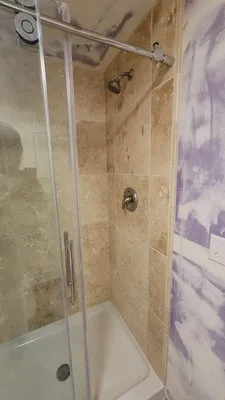
T R Harrison Contractors is a family-owned general contractor serving Kansas City, KS, with decades of experience in home repair and improvement. Specializing in kitchen and bathroom remodeling, they ...

Allen’s Service
Allen's Service is a trusted, full-service plumbing and HVAC contractor serving homeowners and businesses in Shawnee, KS. As a local, family-owned operation, we provide expert installation, repair, an...
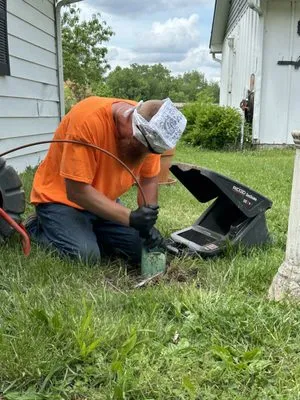
Insight Sewer is a local, family-owned and woman-owned plumbing service proudly serving Butler, MO, and the surrounding Bates, Cass, and Jackson county areas. We're your neighbors, here to help with a...
Apricot Handyman Services, based in Kingsville, MO, is a locally owned and operated business founded by Eric W in March 2019. With 18 years of experience in home repairs and a background in lawn care,...
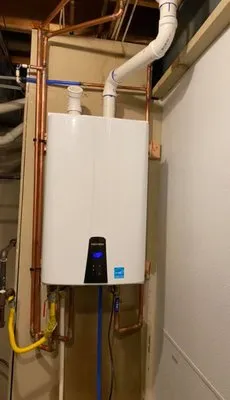
JCM Plumbing and Drain
JCM Plumbing and Drain is a family-owned and operated local plumbing company proudly serving Harrisonville, MO, and the greater Cass County area since 2018. With over 17 years of industry experience, ...
MLE Plumbing
MLE Plumbing is a family-owned and operated plumbing company proudly serving Blue Springs since 2015. Founded by Matthew, a plumber with experience dating back to 2005, the business is built on a genu...
Roto-Rooter Plumbing & Water Cleanup
Roto-Rooter Plumbing & Water Cleanup in Blue Springs, MO, is your local, 24/7 emergency plumbing and restoration partner. We are a fully staffed team of dependable, fast, and friendly plumbers ready t...
SBR's Plumbing Specialists is a trusted local plumbing company serving Harrisonville, MO, and the surrounding areas. We specialize in comprehensive plumbing inspections to identify and address issues ...
Team Kline
Team Kline is your trusted local plumbing and electrical expert serving Peculiar, MO, and surrounding areas. With years of experience, we specialize in a wide range of home services including bathtub ...
Hungry Goat Services is a locally owned and operated plumbing company serving Kansas City, MO. We specialize in both residential and commercial plumbing, offering a comprehensive range of services fro...
Estimated Plumbing Costs in Garden City, MO
Frequently Asked Questions
Do I need a permit to replace my water heater in Cass County?
Cass County Building Department requires a permit for a water heater replacement, as it involves both plumbing and gas or electrical connections. As a master plumber licensed by the Missouri Division of Professional Registration, I pull that permit, schedule the inspection, and ensure the installation meets all current code. Handling that red tape is part of the job, so you don't have to navigate it yourself.
Does Truman Lake's hard water damage my appliances?
Yes, the mineral content from our aquifer and Truman Lake watershed leads to significant scale buildup. Inside a water heater, this scale acts as an insulator, forcing the unit to work harder and drastically shortening its lifespan. You'll also see it crusting on showerheads and faucet aerators, reducing flow. An annual flush of the water heater and installing a softener are the best defenses.
Are copper pipes from the late 1980s a problem in Garden City?
Homes built around 1987 now have copper plumbing that's nearly 40 years old. In Garden City Center, we see this age manifest as a wave of pinhole leaks, especially at solder joints where the flux has corroded over decades. This thin-wall copper was standard then, and its service life is often 40-50 years. You're not imagining things if you're noticing more small leaks or unexplained drops in water pressure lately.
How fast can a plumber get to my house in Garden City?
For an emergency call, my typical dispatch from the shop heads past Garden City City Park to access I-49, which is the main artery for reaching most neighborhoods efficiently. That route usually puts me on-site within 45 to 60 minutes, depending on your exact location off the highway. Knowing the backroads helps when we need to bypass any traffic on 291.
Why do my copper pipes keep springing pinhole leaks?
Copper pipes installed in 1987 are susceptible to pinhole leaks from a process called type 2 pitting corrosion. This is often accelerated by our hard water, which creates scale that traps corrosive elements against the pipe wall. The leaks typically start at the bottom of horizontal runs or at fittings. It's a systemic issue for this vintage of plumbing, not a flaw in your maintenance.
As a rural homeowner, what unique plumbing systems should I maintain?
Your well pump and pressure tank, along with your septic system, are critical. The hard water can cause scale to build up on the well pump's intake, reducing efficiency. For the septic system, avoid flushing any chemicals or so-called 'septic treatments,' as they can harm the bacterial balance. Have the tank pumped and inspected every three to five years, without fail.
What's the most important spring plumbing task for this area?
Before the spring thaw really sets in, disconnect and drain your garden hoses. A forgotten hose can trap water in the bib, and when we still get nights near 21 degrees, that trapped water freezes and splits the pipe inside your wall. It's a simple, five-minute job that prevents the most common freeze-related flood we see after a temperate winter.
Could the flat land here cause sewer line issues?
The plain terrain around Garden City City Park means there's often not enough natural slope for ideal drainage. Over time, this can allow sediment and debris to settle in your main sewer line rather than being carried away, leading to slow drains or backups. It also means a belly or sag in the line is more problematic here than in a hilly area, as it immediately becomes a collection point.
