Top Emergency Plumbers in East Prairie, MO, 63845 | Compare & Call

There are 234 plumbing companies server in East Prairie MO
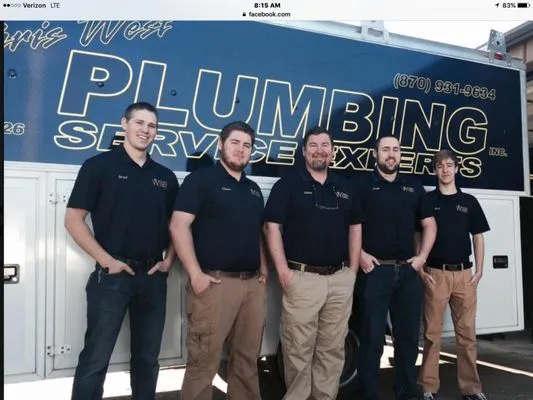
Chris West Plumbing
Chris West Plumbing has been a trusted plumbing service in Jonesboro, AR for over 20 years, providing reliable solutions for both residential and commercial clients. As licensed and certified plumbers...
A.S.A.P. Plumbing, owned and operated by Bradley Wisdom, has been serving the Jonesboro community since 2015. For Bradley, plumbing is more than a job; it’s a way to provide for his family while build...
1st Call Plumbing is a trusted, full-service plumbing company serving Jonesboro, AR, and the surrounding communities. We specialize in comprehensive plumbing solutions, from routine repairs to complex...
Nuckles & Son
Nuckles & Son has been a trusted family-owned plumbing service in Jonesboro, AR, since 1933. We are a cornerstone of the community, known for providing fast, reliable service at fair rates. Our fully-...

Steven Orr Plumbing Services is a Brookland-based, family-owned plumbing company dedicated to providing reliable solutions for Northeast Arkansas homes and businesses. With a foundation built on hands...
Pepper's Plumbing is your trusted, locally-owned plumbing expert in Paragould, AR. We understand the common challenges Paragould homeowners face, like pipe corrosion from aging infrastructure and hard...

David's Fast Emergency Plumbing has been serving the Jonesboro community since 1997, bringing over four decades of trusted plumbing experience to every job. Owner David began his career as an apprenti...
Nea Plumbing is a trusted, locally-owned plumbing service based in Brookland, AR, dedicated to helping homeowners tackle common plumbing issues that disrupt daily life. We specialize in thorough plumb...
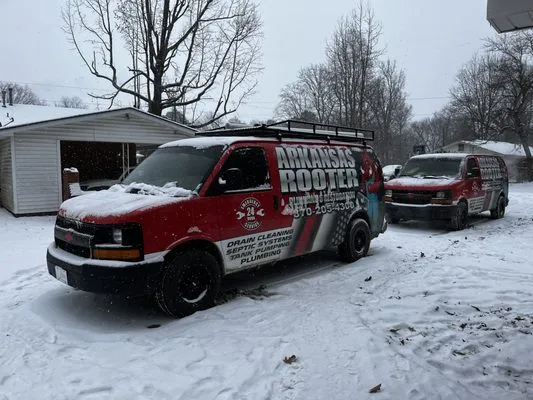
Arkansas Rooter Plumbing and Restoration LLC is a Rector-based company dedicated to serving the community with dependable plumbing and restoration services. Our approach combines local knowledge with ...

AAA Plumbing
AAA Plumbing is a trusted, family-owned plumbing service that has been serving the Blytheville community and surrounding areas since 1972. As a fully licensed, bonded, and insured State Licensed Contr...
Estimated Plumbing Costs in East Prairie, MO
Common Questions
Are septic systems common here and what maintenance do they need?
Many rural properties use septic systems with wells rather than municipal connections. These require pumping every 3-5 years depending on household size. Avoid flushing wipes or excessive grease that clog drain fields. Well pumps typically last 10-15 years, but hard water minerals can shorten that lifespan. Regular pressure checks catch declining performance before complete failure.
What causes those tiny leaks in older copper pipes?
Pinhole leaks develop in 53-year-old copper due to corrosion from our mineral-rich water interacting with the pipe walls. Over decades, this creates weak spots that eventually perforate. You'll often find them first near joints where water turbulence accelerates wear. These aren't manufacturing defects but age-related failures specific to this installation period.
Why are so many Downtown East Prairie homes having plumbing problems lately?
Copper plumbing installed around 1973 is now 53 years old. At this age, the protective lining inside pipes wears thin from decades of water flow. Homeowners are noticing more frequent leaks, especially at joints and elbows where stress concentrates. This isn't sudden failure but gradual deterioration that becomes visible around the half-century mark.
Who handles permits for plumbing work in East Prairie?
I file all required paperwork with East Prairie City Hall and maintain active licensing through the Missouri Division of Professional Registration. This includes sewer tap permits, water heater installations, and major repair documentation. Homeowners don't need to navigate these processes—I handle the red tape so inspections pass smoothly and your records stay current.
How quickly can a plumber reach my home during an emergency?
Heading past East Prairie City Park on I-57 gets me to most neighborhoods within 45-60 minutes. That route covers the main residential areas while avoiding backroad delays. I keep my truck stocked for common repairs so we can start work immediately upon arrival without additional trips.
Does our hard water damage water heaters faster?
Yes, minerals from the Mississippi River Alluvial Aquifer accumulate as scale inside water heater tanks and on heating elements. This insulation effect forces heaters to work harder, reducing efficiency by 15-20% over time. Scale also traps sediment that accelerates corrosion at the tank bottom. Annual flushing helps, but after 8-10 years the buildup often requires element replacement or tank retirement.
Should I prepare my plumbing for spring in East Prairie?
Insulate exposed pipes before temperatures drop to 26°F, particularly in crawl spaces and garages. During spring thaw, check for new drips at joints that may have contracted over winter. A pro-tip: keep cabinet doors open on cold nights to let warm air circulate around sink plumbing. This prevents the freeze-thaw cycle from stressing older connections.
Why does my yard drain poorly after heavy rain?
Low-lying terrain around East Prairie City Park means water naturally flows toward properties, putting constant hydrostatic pressure on main sewer lines. Over decades, this can cause joint separation or pipe sagging that traps debris. Soil saturation also shifts foundation footings, stressing water supply lines where they enter the home. Proper grading away from the house helps, but older systems show these effects more.
