Top Emergency Plumbers in Duquesne, MO, 64801 | Compare & Call

There are 75 plumbing companies server in Duquesne MO
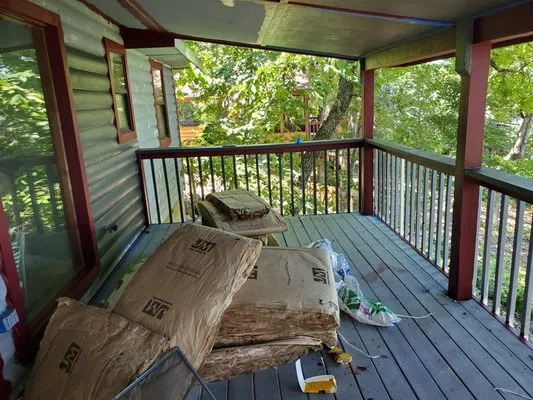
BH Renovation & Maintenance is a locally owned and operated business in Scammon, KS, founded by a dedicated father of four with over eight years of experience in the renovation and maintenance industr...
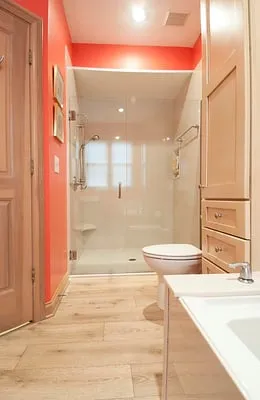
At Better Bath in Bentonville, we are built on a foundation of quality and integrity. After 11 years of installing acrylic products for other companies, I was never satisfied with the short lifespan a...
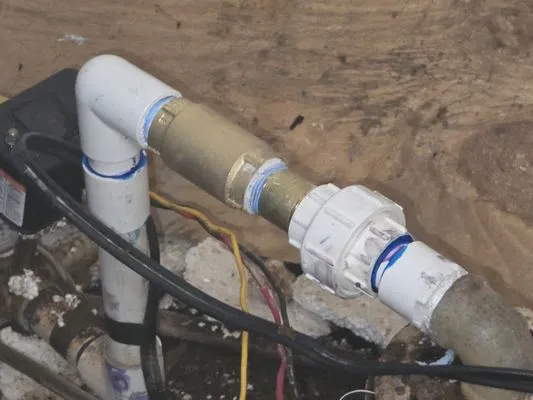
As a locally owned and operated plumbing service in Springfield, MO, I bring over 30 years of experience as a licensed plumber and water treatment expert to every job. Having worked for larger compani...
DeLong Plumbing Heating & Air
DeLong Plumbing Heating & Air has been serving Springfield, MO, since 1991, providing reliable plumbing and HVAC services for both residential and commercial clients. Founded by Garry DeLong with a co...

Advanced Plumbing & Septic Systems has been serving Monett, MO, and the surrounding area for over 32 years. We are a licensed plumbing and septic service provider dedicated to helping our neighbors wi...
We Work Elec & Plumbing is a trusted Mount Vernon, MO contractor providing comprehensive electrical and plumbing services for residential and commercial properties. We specialize in both routine maint...

Backflow Doctors is a Cassville-based backflow prevention service founded and operated by a certified specialist with over 10 years of experience in fire protection and water safety. Fully certified t...

Midwest Remodeling and Fire Coating
Midwest Remodeling and Fire Coating is a trusted, licensed, and insured contractor serving Marionville, MO, and surrounding areas. We specialize in comprehensive home remodeling and construction servi...
Backflow Doctor is Springfield's trusted local expert for backflow prevention, serving homeowners, businesses, and industrial facilities. Our ASSE and NICET certified technicians specialize in the tes...
At Journeyman Industries in Joplin, MO, our work is driven by a simple belief: helping others improves lives. We're here for our neighbors, offering skilled appliance, handyman, and auto services with...
Estimated Plumbing Costs in Duquesne, MO
Questions and Answers
Why do my 1999-era copper pipes keep springing leaks?
Copper pipes from that installation period often develop pinhole leaks due to electrolytic corrosion and joint calcification. After 27 years, the protective oxide layer inside the pipes breaks down, allowing water to slowly eat through the copper. Joints become brittle as mineral deposits accumulate, creating stress points. This corrosion process accelerates in our area's hard water conditions, making systematic replacement or targeted repairs increasingly necessary.
How quickly can a plumber reach my home in Duquesne during an emergency?
Heading past Schifferdecker Park on I-44 provides direct access to most Duquesne neighborhoods. From our shop location, that dispatch route typically puts us at your door in 20-30 minutes during normal traffic conditions. We monitor I-44 traffic patterns and have alternate routes mapped for peak times. This response window covers most plumbing emergencies before they escalate significantly.
As a suburban Duquesne homeowner, what plumbing issues are most common?
Suburban homes here typically connect to municipal water with consistent pressure that tests pipe integrity over decades. The most frequent issues involve service laterals from the main to your house - these underground lines can develop root intrusions from mature landscaping or corrode at connection points. Unlike rural properties with wells and septic systems, your main concerns are maintaining proper water pressure and preventing sewer line blockages from household use.
Could the flat land around Schifferdecker Park cause drainage issues?
The plain terrain throughout Duquesne creates minimal natural slope for water runoff. Around Schifferdecker Park and similar areas, this means stormwater and groundwater tend to pool rather than drain efficiently. This constant moisture saturation puts lateral stress on main sewer lines and foundation drains. Over years, soil shifting from wet-dry cycles can misalign pipe joints or create low spots where debris accumulates, leading to slow drains or backups.
What should I do before spring thaw to prevent plumbing problems?
Before temperatures rise above freezing consistently, check all exposed pipes for insulation gaps. Our 24°F winter lows mean pipes in unheated spaces like crawl spaces and garages remain vulnerable until spring fully arrives. Drain outdoor spigots and disconnect hoses to prevent backflow issues. A pro-tip: keep cabinet doors under sinks open during cold nights to allow warm air circulation around pipes as temperatures fluctuate during thaw periods.
Does Shoal Creek water affect my home's plumbing fixtures?
Water sourced from the Shoal Creek watershed carries high mineral content that leads to scale buildup. This hard water deposits calcium and magnesium on fixture aerators, showerheads, and inside water heaters. Over time, scale reduces water pressure, decreases appliance efficiency, and can cause premature water heater failure. Installing a whole-house water softener or using vinegar treatments on fixtures helps manage these mineral deposits.
My Duquesne Heights home was built around 1999 - should I be worried about my plumbing?
Copper pipes installed in 1999 are now 27 years old. At this age, homeowners in Duquesne Heights often notice pinhole leaks developing, especially at joints and elbows. The copper has experienced decades of water flow and mineral exposure, which gradually thins the pipe walls. You might see small damp spots on ceilings or walls, or hear faint dripping sounds behind drywall. Regular inspections can catch these issues before they become major water damage problems.
Who handles permits and inspections for plumbing work in Duquesne?
The City of Duquesne Building Department manages all plumbing permits and required inspections. As a master plumber licensed through the Missouri Division of Professional Registration, I handle that red tape so you don't have to. This includes pulling permits, scheduling inspections, and ensuring all work meets current Missouri plumbing code. Proper documentation protects your home's value and ensures any work has official approval for insurance and resale purposes.
