Top Emergency Plumbers in Dixon, MO, 65459 | Compare & Call

There are 19 plumbing companies server in Dixon MO
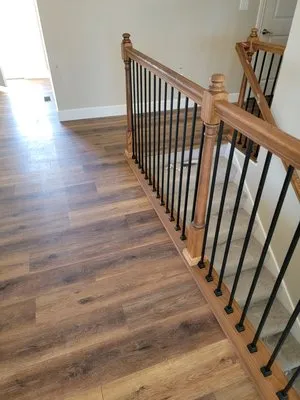
Pure Country Builders LLC is a family-owned construction business serving Lebanon, MO, and the surrounding area. With over 25 years of local experience, we specialize in a wide range of construction s...
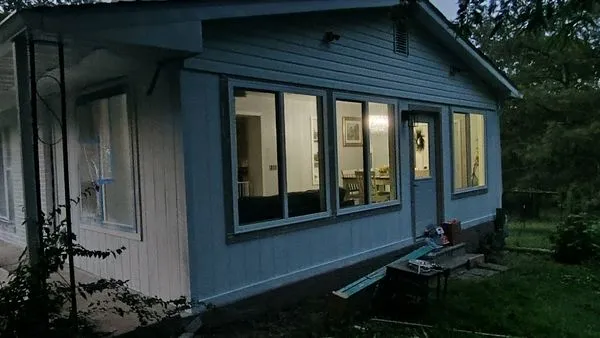
B & M Handyman Services
B & M Handyman Services is your trusted, local Newburg, MO, partner for a wide range of home repair and improvement needs. From quick plumbing fixes to extensive landscape construction, our skilled te...

Harold G Butzer has been a trusted fixture in Jefferson City since 1926, providing dependable mechanical services to Central Missouri. As a family-owned design-build contractor, they specialize in com...

Lake Home Handyman, based in Versailles, MO, is your local specialist for the unique maintenance needs of Lake of the Ozarks properties. Founded with over 30 years of combined experience, we provide d...

United Mechanical Services
United Mechanical Services (UMS) is a trusted, locally-owned mechanical services provider in Jefferson City, MO, dedicated to keeping homes and businesses comfortable and functional year-round. We spe...
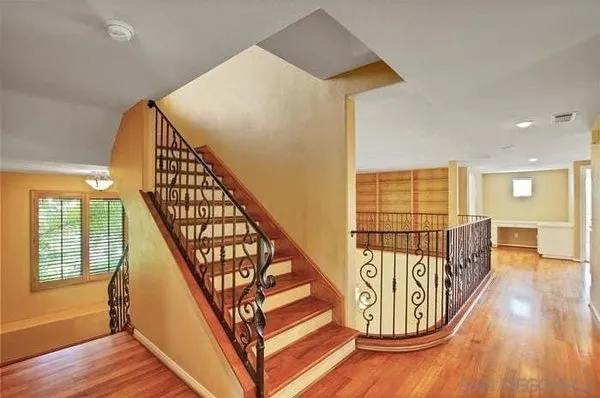
AMA Property Services is a family-owned handyman business serving Rolla, MO, founded by Anthony Adame in 2016 and now operated with his brother Carlo Adame, a retired U.S. Army Sergeant First Class. S...

Missouri Trenchless Pipe-Lining has been providing reliable plumbing solutions to Gerald and Central Missouri since 2019. We specialize in modern trenchless repair methods, including pipe lining and p...
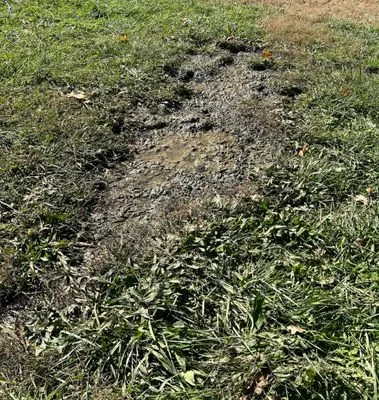
All Type Plumbing is Salem, MO's trusted local plumbing expert, providing comprehensive residential and commercial services to keep your home's water systems running smoothly. We specialize in everyth...
Evans Plumbing Services has been providing reliable plumbing solutions to Licking, MO residents and businesses for years. We specialize in comprehensive plumbing services including installation, repai...

JR Heating & Cooling is your trusted, local expert for heating, cooling, and plumbing services in Rolla, MO. We provide reliable solutions for the specific challenges homeowners in our area face, incl...
Estimated Plumbing Costs in Dixon, MO
Common Questions
Does water from the Gasconade River affect my home's plumbing?
Water sourced from the Gasconade River has high mineral content, leading to hard water and scaling throughout your plumbing system. Scale buildup insulates water heater elements, forcing them to work harder and shortening their lifespan by 3-5 years. Fixtures like showerheads and faucet aerators clog faster, reducing water pressure. Installing a whole-house water softener can mitigate these effects, protecting appliances and pipes from premature wear.
My Dixon City Center home was built around 1971—what should I expect from my plumbing now?
Copper pipes installed in 1971 are now 55 years old. At this age, the protective lining inside the pipes has worn thin from decades of water flow. Homeowners in Dixon City Center are seeing more frequent pinhole leaks, especially at joints and elbows where water turbulence accelerates wear. This isn't a sudden failure but a gradual increase in maintenance needs as the metal reaches the end of its typical service life.
Do I need permits for plumbing work in Pulaski County, and how does that process work?
Pulaski County Building Department requires permits for most plumbing modifications, especially those involving water heaters, sewer lines, or new fixtures. As a master plumber licensed with the Missouri Division of Professional Registration, I handle the red tape—submitting plans, scheduling inspections, and ensuring code compliance. This saves you time and avoids fines, since unpermitted work can complicate home sales or insurance claims. My credentials mean the paperwork is managed professionally from start to finish.
What should I do to prepare my plumbing for Dixon's spring thaw?
Spring thaw here peaks when temperatures swing from 22°F lows to daytime thaws, putting stress on pipes. A pro-tip: insulate exposed pipes in crawl spaces or basements before the thaw begins, and keep cabinet doors open under sinks to allow warm air circulation. Check outdoor spigots for frost damage—a slow drip during cold snaps prevents freeze-ups. These temperate climate measures are more about managing gradual temperature shifts than extreme winterization.
How quickly can a plumber reach my home in Dixon during an emergency?
Heading past Dixon City Park on State Route 28, I can typically reach most addresses in the area within 45-60 minutes. That dispatch route follows the main artery through town, avoiding backroads that slow response in hilly areas. Knowing the local layout means I can estimate arrival time accurately once you call, so you're not left guessing during a leak or backup.
Why do my copper pipes keep springing small leaks?
Copper pipes from the early 1970s often develop pinhole leaks due to a combination of age and local water chemistry. The thin spots form where mineral deposits or manufacturing imperfections existed, and decades of hard water accelerate corrosion. Joint calcification is another issue—minerals build up at solder points, creating stress points that eventually crack. These failures are predictable at this pipe age and require targeted repairs rather than patchwork fixes.
Could the hilly land around Dixon City Park cause plumbing problems?
Hilly terrain like around Dixon City Park affects drainage and puts lateral stress on main water lines. Slopes can cause soil shifting over time, which misaligns pipe joints or creates low spots where debris accumulates. Downhill properties might see increased pressure on sewer laterals, while uphill homes deal with drainage challenges. Proper grading and periodic camera inspections help identify these terrain-related issues before they become emergencies.
As a rural Dixon homeowner, what unique plumbing issues should I watch for?
Rural homes here often rely on wells and septic systems, which require different maintenance than municipal setups. Well pumps can fail if hard water scaling clogs intake screens, while septic fields in hilly areas need careful placement to avoid drainage issues. Pressure tanks may need more frequent adjustments due to variable well output. Understanding these systems prevents surprises—like a septic backup during peak usage or a well pump burnout from mineral buildup.
