Top Emergency Plumbers in Cooper, MO, 64402 | Compare & Call

There are 239 plumbing companies server in Cooper MO
Razo’s Plumbing
Razo's Plumbing is a trusted, full-service plumbing company serving Olathe, KS homeowners and businesses. We specialize in comprehensive plumbing solutions, from routine repairs to complex installatio...
American HVAC
American HVAC is a family-owned and operated business serving Silex, MO, with over 30 years of local experience. Founded in 1982 by John Momphard, the company is now proudly carried on by his son, who...
White Lightning Plumbing LLC is a locally owned and operated plumbing company serving Montgomery City, MO, and the surrounding areas. Founded this year by a plumber with years of experience who wanted...
Show-Me Plumbing is a trusted, locally-owned plumbing service in Leslie, MO, dedicated to keeping homes in our community running smoothly. We specialize in a comprehensive range of services including ...
Gary Motleys Cut Rate Plumbing is a trusted, locally-owned plumbing service dedicated to serving Bowling Green, MO, and the surrounding communities. We specialize in diagnosing and resolving the commo...
Dragonfly Mechanical
Dragonfly Mechanical is a family-owned and operated HVAC and plumbing service serving Blue Springs and the Kansas City metro. Founded by Will and his son Austin, who together bring over 20 years of ha...

AA Drain Medic is a Kansas City plumbing service with over 25 years of local expertise, founded by a Master Plumber who holds master mechanical and EPA Air certifications. Starting with drain services...

Roto-Rooter Plumbing & Water Cleanup
Roto-Rooter Plumbing & Water Cleanup in Independence, MO provides 24/7 emergency plumbing and water damage services to local homes and businesses. Their team of experienced technicians handles everyth...
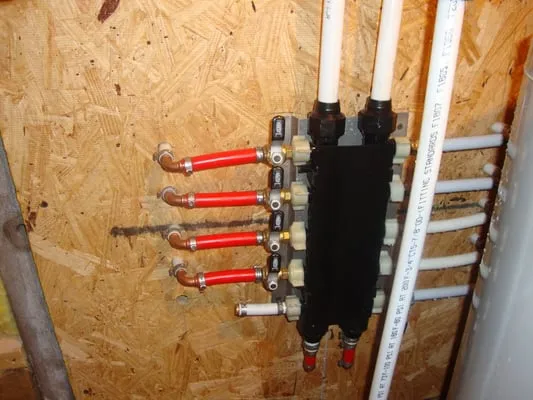
Hudson Plumbing is a locally owned and operated plumbing service based in Wood Heights, MO, with deep roots in Eastern Jackson County. Founded by a master plumber with 30 years of experience, the busi...
Apricot Handyman Services, based in Kingsville, MO, is a locally owned and operated business founded by Eric W in March 2019. With 18 years of experience in home repairs and a background in lawn care,...
Estimated Plumbing Costs in Cooper, MO
Common Questions
Does Missouri River water damage my water heater?
The hard water sourced from the Missouri River leads to significant scale buildup inside appliances. In water heaters, this limescale acts as an insulator on the heating elements, forcing the unit to work harder and fail prematurely. You'll also notice reduced efficiency and higher energy bills. Regular flushing and an anode rod check are critical maintenance steps here.
As a rural Cooper homeowner, what plumbing systems need my attention?
Your private well and septic system are your responsibility. Have the well's pressure tank and switch checked annually for proper operation. For the septic system, adhere to a strict pumping schedule every 3-5 years based on household size. Neglecting these systems leads to much more expensive repairs than a typical municipal water or sewer issue.
Could the hilly land around Cooper be causing my drainage issues?
The sloping terrain common around Cooper County puts constant, uneven stress on underground main sewer lines. Over decades, this can cause sections to sag or separate, creating low spots that collect debris and lead to repeated clogs. Surface drainage can also be problematic, as water runoff seeks the easiest path, sometimes toward a home's foundation.
Do I need a permit to replace my water heater in Cooper County?
Yes, most water heater replacements require a permit from Cooper County Planning and Zoning. As a master plumber licensed by the Missouri Division of Professional Registration, I pull those permits and schedule the required inspections as part of the job. This ensures the installation meets current code, which is important for both safety and your home's insurance and resale value.
Are homes in Cooper built around 1979 having more plumbing problems now?
Copper pipe installations from 1979 are now 47 years old. Many homeowners in Cooper Township are currently seeing the first major wave of failures, including pinhole leaks in hot water lines and joint fatigue where pipes connect to fixtures. This age of copper is well past its typical lifespan in our local water conditions. It's not a question of if these systems will need significant repair, but when.
How long does it take for a plumber to get to my house in Cooper?
From a central starting point like the Cooper County Courthouse, a dispatch route typically heads east or west onto I-70 for the fastest access across the township. Depending on your exact location off the interstate, you can expect a 45 to 60 minute response window for a service call. Traffic on the main corridors is factored into that estimate.
What causes those tiny leaks in my old copper pipes?
Pinhole leaks in 1970s-era copper are often due to internal corrosion from decades of hard water flow. The mineral content in our water can wear down the pipe's inner lining unevenly, creating weak spots that eventually perforate. This is a common failure mode we see in Cooper homes of that vintage, particularly in hot water lines where the chemical reaction is accelerated.
What's the best thing to do for my pipes before a Missouri spring?
Before the spring thaw hits its peak, make sure any exterior hose bibs are completely shut off and drained from inside the house. Nights around 22 degrees are still common early in the season, and a forgotten garden hose can freeze and burst the interior pipe. A quick walk-around to disconnect and store hoses prevents this common, costly emergency.
