Top Emergency Plumbers in West Lakeland, MN, 55003 | Compare & Call

There are 140 plumbing companies server in West Lakeland MN
John's Sewer and Drain Cleaning has been a trusted name in Minneapolis since 1976, founded on deep local roots and family expertise. Father-son owners Larry and Eddie Gillis bring nearly 70 years of c...
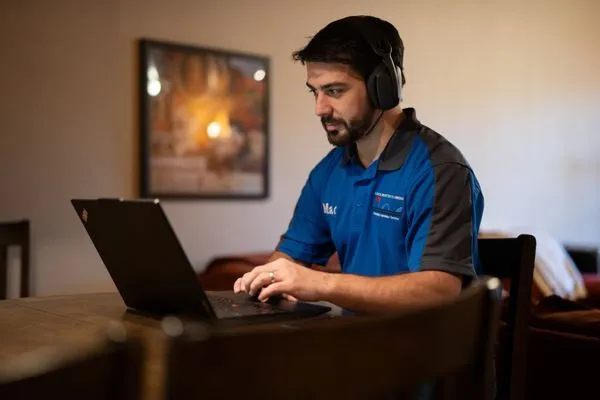
Loch Monster Plumbing
Loch Monster Plumbing is a trusted, family-owned plumbing service serving Minnetonka and the entire Minneapolis/St. Paul metro area. With over 15 years of experience, we are licensed, bonded, and insu...
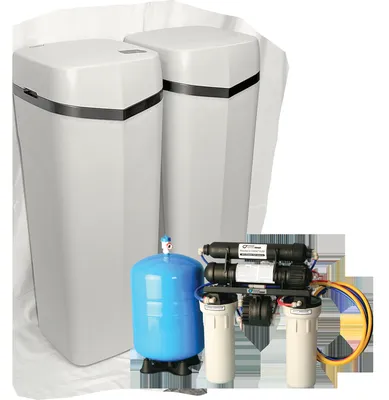
Northern Plumbing & Softening
Northern Plumbing & Softening is a trusted, family-operated plumbing and water treatment company that has been serving the Minneapolis and St. Paul metro area for over 50 years. Our team of licensed, ...
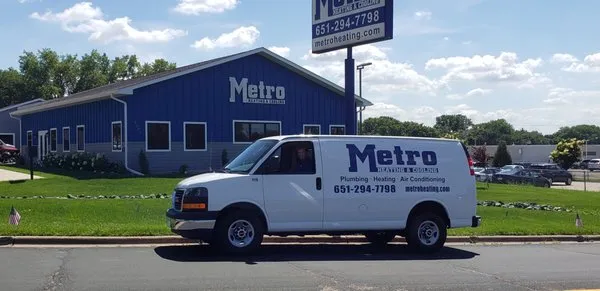
Metro Heating & Cooling
Metro Heating & Cooling is a locally owned, family-oriented HVAC and plumbing company proudly serving Maplewood and the greater Twin Cities. With a team of 38 highly skilled technicians boasting over ...

St Paul Pipeworks
St. Paul Pipeworks is a trusted, family-run plumbing business serving Little Canada and the surrounding metro area. Founded and operated by Master Plumber Charlie Avoles, the company brings a second g...
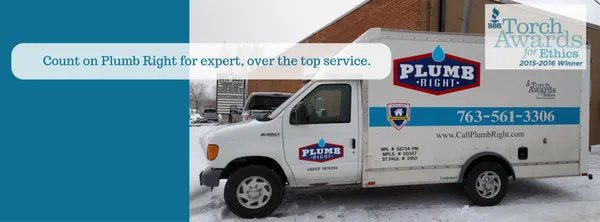
Plumb Right
Plumb Right is a family-owned plumbing company that began serving Brooklyn Park and the Twin Cities in 1988. As a third-generation master plumber, I learned the trade from my father and find genuine s...
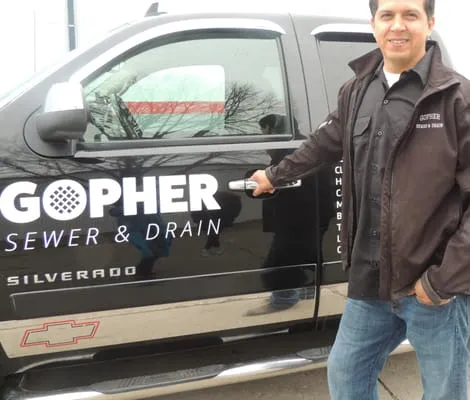
Gopher Sewer & Drain
Gopher Sewer & Drain is your local, family-operated plumbing and drain service in Columbia Heights, MN, founded on the values of honest service and upfront pricing. Since 2009, owner Pedro Tapia has b...
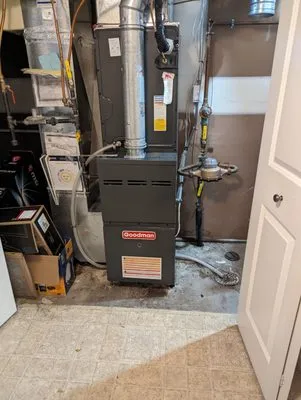
Vector Services
Vector Services has been a trusted home services provider in Minneapolis since 2014, offering reliable HVAC, plumbing, and electrical solutions. We serve residential and commercial properties within a...
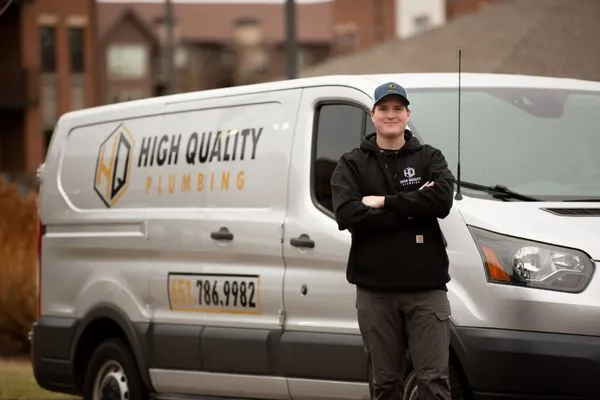
High Quality Plumbing is a trusted local plumbing service in Woodbury, MN, specializing in comprehensive solutions for residential plumbing needs. We address common local issues like sewer backups and...

Ryan Plumbing has been a trusted plumbing and heating service in Saint Paul since 1951, with five generations of the Ryan family dedicated to providing reliable repair and replacement of all plumbing,...
Estimated Plumbing Costs in West Lakeland, MN
Question Answers
What permits are needed for a repipe or water heater replacement in West Lakeland?
Any significant plumbing work requires a permit from the West Lakeland Township Building Department. As a Master Plumber licensed by the Minnesota Department of Labor and Industry, I pull those permits, schedule the inspections, and ensure the work meets all state and local code. My license means I handle that red tape so you don't have to navigate it yourself.
Does having a private well and hard water damage my plumbing fixtures?
Yes, consistently. Hard water from a private well deposits mineral scale inside pipes, water heaters, and faucet cartridges. This buildup reduces flow, increases pressure on pumps, and drastically shortens appliance lifespans. A water heater's heating elements can become completely insulated by scale, forcing it to work harder and fail years early.
My West Lakeland house was built around 1986. What should I expect from my plumbing now?
Your copper plumbing is now 40 years old. For many homes built around that time in St. Croix River Estates, we're seeing a predictable wave of pinhole leaks and joint failures. The thin-walled Type M copper used then is reaching the end of its service life, especially in areas with aggressive water. This isn't an immediate crisis, but it's a clear sign to budget for eventual repiping or targeted repairs.
Are plumbing issues different in a suburban area like West Lakeland versus a city?
The main difference is the lack of municipal pressure regulation and sewer access. Your well pump and pressure tank control your home's water pressure, which must be set correctly to avoid stressing 40-year-old pipes. For drainage, you're responsible for the entire lateral from the house to the septic tank or private system, with no city main to back you up.
Why are my copper pipes suddenly getting pinhole leaks?
For copper installed in 1986, pinhole leaks are often due to a combination of age and water chemistry. After four decades, the protective oxide layer inside the pipe can break down. This, combined with our area's hard water and slight acidity from private wells, leads to localized corrosion that eventually perforates the pipe wall, starting as a tiny, persistent drip.
How fast can a plumber get to West Lakeland in an emergency?
Heading past the St. Croix River on I-94, our dispatch time to most of West Lakeland is typically 45 to 60 minutes. We prioritize calls from our base in the valley. While we can't control traffic or weather, that route is reliable, and we know the back roads if needed to reach you directly.
Could the hilly land around St. Croix River Estates cause plumbing problems?
The slope absolutely stresses your main sewer line. Gravity carries waste downhill, but the constant shift and settlement of soil on a hill can cause pipes to sag or develop bellies where debris collects. Over time, this leads to repeated clogs and requires jetting or, eventually, excavation to replace the compromised section of line.
What's the most important spring plumbing maintenance for Minnesota's freeze-thaw cycle?
Before the spring thaw hits its peak, disconnect any garden hoses and ensure your exterior hose bibs are fully drained. A hose left connected traps water in the pipe; when overnight lows still dip near freezing, that ice can expand back into your interior wall, cracking the pipe. It's a simple, five-minute task that prevents a major leak.
