Top Emergency Plumbers in Tonka Bay, MN, 55331 | Compare & Call

There are 115 plumbing companies server in Tonka Bay MN
John's Sewer and Drain Cleaning has been a trusted name in Minneapolis since 1976, founded on deep local roots and family expertise. Father-son owners Larry and Eddie Gillis bring nearly 70 years of c...
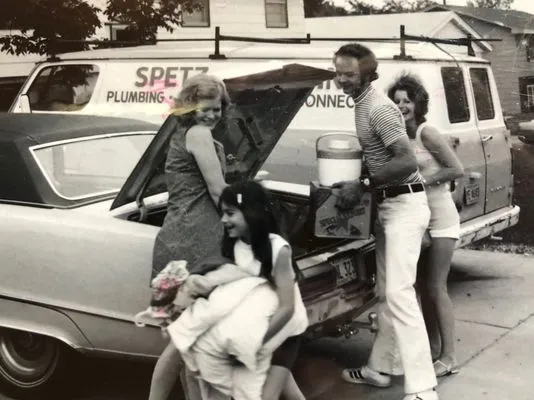
Spetz Plumbing Corporation
Spetz Plumbing Corporation is a family-owned plumbing business serving Champlin and the greater Twin Cities area for over three decades. Rooted in the local community, we are licensed, bonded, and ins...
Loch Monster Plumbing
Loch Monster Plumbing is a trusted, family-owned plumbing service serving Minnetonka and the entire Minneapolis/St. Paul metro area. With over 15 years of experience, we are licensed, bonded, and insu...
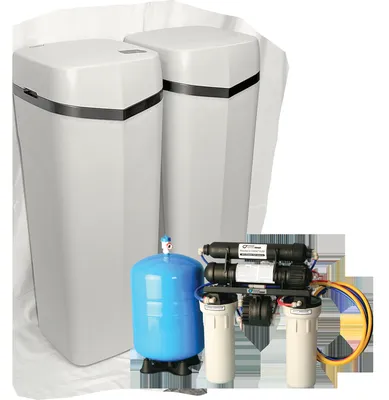
Northern Plumbing & Softening
Northern Plumbing & Softening is a trusted, family-operated plumbing and water treatment company that has been serving the Minneapolis and St. Paul metro area for over 50 years. Our team of licensed, ...

St Paul Pipeworks
St. Paul Pipeworks is a trusted, family-run plumbing business serving Little Canada and the surrounding metro area. Founded and operated by Master Plumber Charlie Avoles, the company brings a second g...
Plumb Right
Plumb Right is a family-owned plumbing company that began serving Brooklyn Park and the Twin Cities in 1988. As a third-generation master plumber, I learned the trade from my father and find genuine s...
Vector Services
Vector Services has been a trusted home services provider in Minneapolis since 2014, offering reliable HVAC, plumbing, and electrical solutions. We serve residential and commercial properties within a...

Tim’s Quality Plumbing, Heating, & Cooling began in 1981 as a small, family-run business with a simple goal: to provide quality work and treat every customer like a neighbor. Now in its second generat...
Legend Services is your trusted, local partner for plumbing, heating, and air conditioning in Corcoran and the Western metro. Founded on decades of expertise, we've been a fixture in the community sin...
Levahn Brothers
My name is Andy LeVahn, and I manage our family business here in Maple Grove. I started in 1994, continuing a tradition that began in 1923 when my great-uncles Art, Ernie, and Ed LeVahn founded the co...
Estimated Plumbing Costs in Tonka Bay, MN
Q&A
Why am I suddenly getting leaks in my Tonka Bay home?
Copper piping installed around 1976 is now 50 years old. In the Tonka Bay Residential District, we're seeing predictable failures at this age. The metal has simply worn thin from decades of water flow and the area's mineral content, leading to pinhole leaks that often appear first in elbows and behind walls. This isn't a random event; it's the expected service life for that generation of plumbing.
Could my home's hillside location cause plumbing issues?
Yes, the hilly terrain around Lake Minnetonka stresses sewer and water mains. The slope can cause soil to shift gradually, putting lateral pressure on pipes and potentially leading to joint separation or cracks. Proper drainage away from your foundation is essential to prevent erosion that undermines these buried lines. We often inspect main cleanouts for alignment changes after heavy rains.
What should I do to prepare my plumbing for a Minnesota spring?
The spring thaw cycle, with temperatures swinging from daytime melts to nighttime lows near 5°F, is critical. A pro-tip is to ensure all exterior hose bibs are fully drained and their interior shut-off valves are closed before winter ends. Check for new drips or moisture in basements and crawlspaces as the ground saturates; thawing can reveal leaks that developed over the frozen months.
Is my sewer line problem unique to a suburban area like Tonka Bay?
Suburban systems here face specific challenges. While we're on municipal water and sewer, the mature tree roots common in established neighborhoods seek out the moisture in older sewer laterals. A slow drain might indicate root intrusion at the pipe joint, which is a frequent repair. Municipal water pressure is generally stable, but aging gate valves on the street side can sometimes restrict flow to the property.
How fast can a plumber get to my house in Tonka Bay?
From a service call on Lake Minnetonka, a dispatch route typically heads east on MN-7 into the main residential areas. That's a 30 to 45 minute drive under normal conditions, accounting for traffic and the winding lakeside roads. We plan our local routes to minimize that travel window for emergencies like a burst pipe or a failed water heater.
What's the most common plumbing problem in a 1970s Tonka Bay home?
Calcified solder joints in copper systems are a frequent issue. After five decades, the solder connecting pipes can degrade and become brittle, allowing slow leaks to develop at fittings. We also see corrosion from dielectric unions failing where copper meets other metals, like at old water heater connections. These are systematic failures of aged materials, not isolated incidents.
Does Lake Minnetonka water damage my plumbing fixtures?
The hard water from our lake source leads to significant scale buildup. Inside water heaters, this sediment insulates the heating element, forcing it to work harder and fail prematurely. At fixtures, scale clogs aerators and showerheads, reducing flow and pressure. Installing and maintaining a whole-house water softener is a standard recommendation here to protect appliances and piping.
Do I need a permit to replace my water heater in Tonka Bay?
Most plumbing replacements require a permit from the Tonka Bay City Hall Building Department. As a Master Plumber licensed by the Minnesota Department of Labor and Industry, I handle pulling the permit, scheduling inspections, and ensuring the installation meets all current state and local codes. This manages the red tape for you and guarantees the work is documented correctly for your home's records.
