Top Emergency Plumbers in Sylvan, MN, 56401 | Compare & Call

There are 238 plumbing companies server in Sylvan MN

Spetz Plumbing Corporation
Spetz Plumbing Corporation is a family-owned plumbing business serving Champlin and the greater Twin Cities area for over three decades. Rooted in the local community, we are licensed, bonded, and ins...
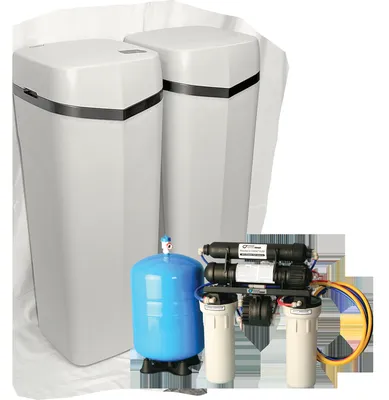
Northern Plumbing & Softening
Northern Plumbing & Softening is a trusted, family-operated plumbing and water treatment company that has been serving the Minneapolis and St. Paul metro area for over 50 years. Our team of licensed, ...

St Paul Pipeworks
St. Paul Pipeworks is a trusted, family-run plumbing business serving Little Canada and the surrounding metro area. Founded and operated by Master Plumber Charlie Avoles, the company brings a second g...
Plumb Right
Plumb Right is a family-owned plumbing company that began serving Brooklyn Park and the Twin Cities in 1988. As a third-generation master plumber, I learned the trade from my father and find genuine s...
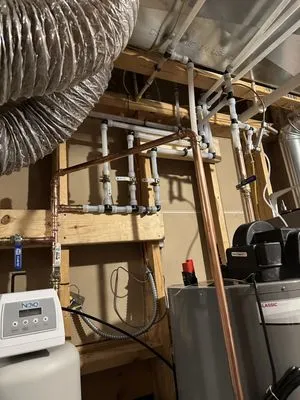
Foster Plumbing
Foster Plumbing is a trusted local plumbing service in Big Lake, MN, owned and operated by Master Plumber Scott Foster. With over a decade of hands-on experience, Scott combines his business acumen wi...
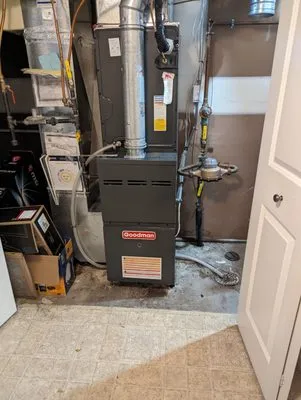
Vector Services
Vector Services has been a trusted home services provider in Minneapolis since 2014, offering reliable HVAC, plumbing, and electrical solutions. We serve residential and commercial properties within a...

Tim’s Quality Plumbing, Heating, & Cooling began in 1981 as a small, family-run business with a simple goal: to provide quality work and treat every customer like a neighbor. Now in its second generat...
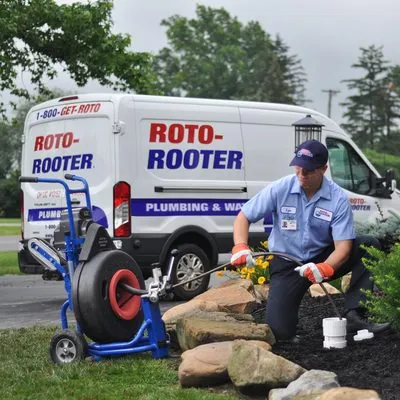
Roto-Rooter Plumbing & Water Cleanup
Roto-Rooter Plumbing & Water Cleanup in New Brighton, MN provides reliable plumbing and water damage services for local homes and businesses. Our team is available 24/7 for emergencies, including drai...
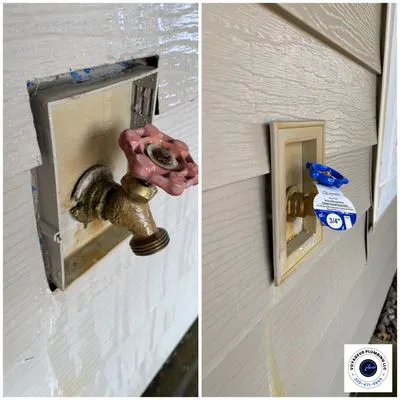
Voyageur Plumbing is a licensed plumbing service founded in 2023 by Cole and his wife Sarah, serving Milaca and surrounding communities within a 60-mile radius. With over a decade of industry experien...

Rescue Sewer & Drain is a licensed plumbing service based in Fridley, MN, specializing in comprehensive sewer, drain, and sink repairs. We provide prompt solutions for both emergency situations and pl...
Estimated Plumbing Costs in Sylvan, MN
Common Questions
What’s the most common plumbing repair you see in 1990s-era Sylvan homes?
Pinhole leaks in the copper supply lines are the standard call. By now, the interior walls of 34-year-old pipe have thinned from constant water movement and mineral contact. These leaks often start small at a solder joint or a bend in the pipe. Catching and repairing a single pinhole is straightforward, but it usually indicates the rest of the system is nearing the end of its service life.
We have a private well and hard water. Is that damaging our water heater and fixtures?
Yes, hard water from a private well directly shortens appliance life. Mineral scale builds up inside the water heater tank, reducing efficiency and creating hot spots that can warp the steel. In fixtures, that same scale clogs aerators and showerheads. Installing a whole-house water softener is the standard defense here; it protects the heater and all your faucets from the accelerated wear hard water causes.
How long does it take for a plumber to get to a home in Sylvan, especially during the winter?
From my shop, the dispatch route heads past Cass County Fairgrounds on US-371. In clear conditions, that’s a 45-minute drive. Winter weather or heavy snow can push it to 60 minutes. I plan for that buffer so you get an accurate window—it’s better to know the realistic time upfront than to have someone rushing on icy roads.
Could the flat land around here cause drainage issues for my home’s plumbing?
The plain terrain near Cass County Fairgrounds lacks natural slope for drainage, so water tends to pool. Over time, that saturated soil puts constant hydrostatic pressure on your home’s foundation and the main sewer line exiting it. This stress can cause the pipe to settle or develop a belly where waste collects, leading to slow drains or backups. Proper grading away from the house is critical.
Our house in Sylvan was built around 1992. Are the original copper pipes at a point where we should be worried?
Houses built in 1992 are now 34 years old, which is the typical lifespan for the type of copper pipe installed then. Around Sylvan Township, we’re seeing these systems reach their failure window. You’ll likely notice pinhole leaks first, often behind walls or under sinks, caused by decades of internal water flow wearing the pipe thin. It’s a predictable age-related issue, not a flaw in your maintenance.
What’s one thing I should do before spring to avoid a major plumbing problem?
Before the spring thaw hits its peak, make sure your exterior hose bibs are fully winterized and any crawl space vents are closed. Rapid thawing in our Snow Belt climate can send a surge of groundwater against foundation walls, and if a bib isn’t sealed, it becomes an entry point. A quick check of these areas in late winter prevents most common thaw-related leaks.
Does having a well and septic system change the kind of plumbing service I need?
Absolutely. Rural plumbing here means every component from the well pump to the septic tank is your responsibility. A leak isn’t just a water bill issue—it can overload your drain field. Service requires understanding the entire private water cycle: well pressure switches, water treatment for hardness, and septic-safe practices. It’s a different scope than just fixing a sink in a city home.
Who handles the permits and inspections for a plumbing job in Cass County?
Cass County Environmental Services manages well and septic permits, while the Minnesota Department of Labor and Industry oversees the plumbing code. As a licensed master plumber, I pull those permits and schedule the inspections as part of the job. My credential means I handle the red tape so you don’t have to navigate the county and state requirements yourself.
