Top Emergency Plumbers in Springfield, MN, 56087 | Compare & Call

There are 240 plumbing companies server in Springfield MN
Perry Electric Air Conditioning and Heating
Perry Electric, Air Conditioning & Heating has been a trusted name in Brookings since Loran Perry founded the electrical contracting business in 1963. The company expanded in the 1970s to include heat...
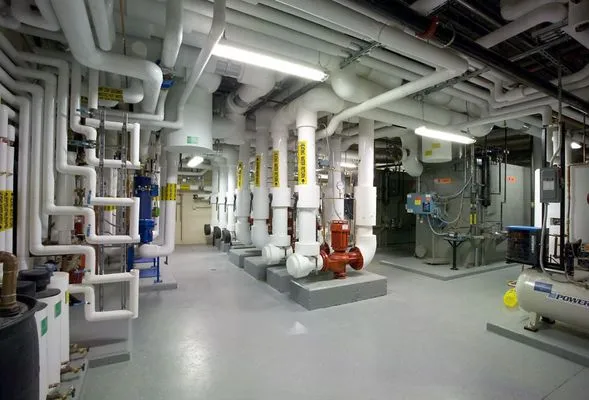
Midwestern Mechanical
Midwestern Mechanical has been a trusted provider of plumbing, heating, HVAC, and fire protection services in Sioux Falls and the surrounding region since 1983. Founded by Dwayne Klarenbeek, the compa...
A-1 Drain Cleaning is a family-owned plumbing service based in Mason City, IA, with over 45 years of local experience. Founded and operated by Josh, who was born and raised in the community, the busin...
Hank's Plumbing Inc. has been a trusted name in Mason City and the surrounding North Iowa communities for more than 20 years. From our locations in Mason City and Clear Lake, our state-certified team ...
Swish’N Flo Plumbing LLC is Spencer's trusted 24/7 plumbing service. We understand that plumbing issues don't wait for a convenient time, which is why our experienced team is always ready to respond. ...
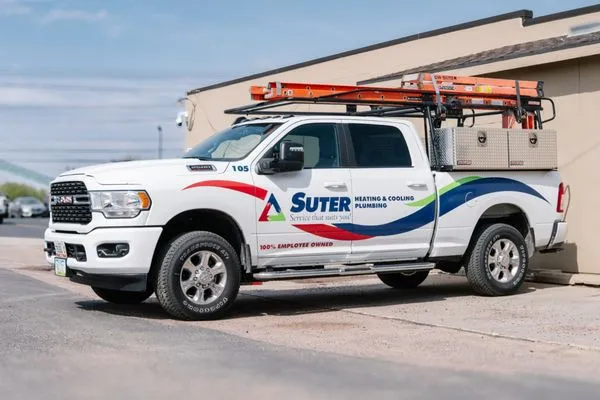
Hanson's Plumbing And Heating
Since 1926, Hanson's Plumbing and Heating has been the trusted local source for Spencer's plumbing and HVAC needs. We are a 100% employee-owned company, which means every technician on our team has a ...
Mr. Drain Man is a locally owned and operated sewer and drain cleaning company serving Spirit Lake, IA, and the Iowa Great Lakes area. With years of experience, we specialize in keeping drains clear a...
Kiers Plumbing & Heating is your trusted local plumbing expert serving Hull, IA, and the surrounding communities. We specialize in comprehensive plumbing inspections to help homeowners identify and ad...

Titonka Plumbing & Heating is your trusted local expert for all your home's plumbing and heating needs in Titonka, IA. We understand the specific challenges Titonka homeowners face, such as dishwasher...
K & C Electrical, based in Leland, IA, is your trusted local provider for comprehensive electrical and plumbing inspection services. We help Leland homeowners and businesses proactively identify and a...
Estimated Plumbing Costs in Springfield, MN
Frequently Asked Questions
Who handles permits for plumbing work in Springfield?
I file all necessary paperwork with the Springfield City Clerk Office and maintain current licensing through the Minnesota Department of Labor and Industry. This includes permits for water heater replacements, sewer line repairs, and any work affecting the main service line. Handling the red tape means your project meets local codes without you needing to navigate bureaucratic requirements yourself.
Why are my pipes suddenly failing in my Downtown Springfield home?
Galvanized steel pipes installed around 1953 are now 73 years old. At this age, the zinc coating has completely worn away, leaving bare steel exposed to constant water contact. Downtown homeowners are seeing widespread rust accumulation that restricts water flow to a trickle. The interior walls of these pipes have thinned to the point where they can no longer withstand normal water pressure.
What causes those tiny leaks in old Springfield plumbing?
Galvanized steel pipes from 1953 develop pinhole leaks where internal corrosion has eaten through the thinnest sections of pipe wall. Joint calcification is equally common—mineral deposits from decades of hard water create rigid, brittle connections that crack under thermal expansion. These failures typically occur first at elbows and tees where water turbulence accelerates corrosion.
What should I do before spring thaw to prevent plumbing problems?
Insulate exposed pipes in crawl spaces and basements before temperatures drop to 3°F. During spring thaw, check for foundation cracks where melting snow can seep in and stress plumbing connections. A pro-tip: keep cabinet doors open on cold nights to allow warm air to circulate around pipes under sinks, preventing the freeze-thaw cycles that cause joints to fail.
Does Minnesota River water damage my home's plumbing?
Water drawn from the Minnesota River carries high mineral content that creates scale buildup throughout your system. In water heaters, this scaling reduces efficiency by insulating heating elements and trapping heat against tank walls. Fixtures develop reduced flow as aerators and valve seats become clogged with mineral deposits that accumulate faster than in softer water regions.
Why does my basement flood near Springfield Area Community Center?
The plain terrain around the community center creates minimal natural drainage slope. During heavy rain or rapid snowmelt, water pools against foundations instead of running off. This hydrostatic pressure stresses main line connections where pipes enter the home, often causing separation at the service entry point. Over time, this constant pressure can crack older galvanized steel pipes buried in soil that retains moisture.
How quickly can a plumber reach my home in Springfield?
Heading past Springfield Area Community Center on US-14 gets me into most residential areas within 45-60 minutes. That route covers the main arteries feeding into neighborhoods off the highway. I keep a truck stocked for common galvanized steel emergencies, so I can address issues immediately upon arrival without needing to return to the shop for parts.
Are septic systems different for rural Springfield properties?
Rural Springfield homes with septic systems require specific maintenance that differs from municipal sewer connections. The hard water mineral content accelerates scale buildup in septic tanks and drain fields, reducing absorption capacity. Well systems drawing from the same aquifer as the Minnesota River need regular testing for sediment that can clog pressure tanks and wear out pump components faster than in softer water areas.
