Top Emergency Plumbers in Spring Valley, MN, 55975 | Compare & Call

There are 13 plumbing companies server in Spring Valley MN
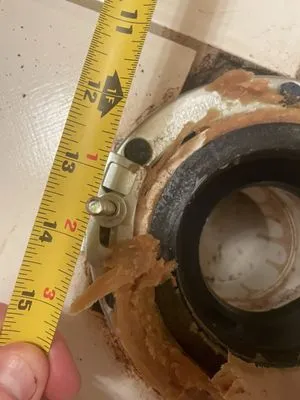
Tonna Mechanical
Tonna Mechanical is a family-owned heating, cooling, plumbing, and water treatment company serving Rochester and Southeastern Minnesota since 1976. As a second-generation owner who grew up in the busi...
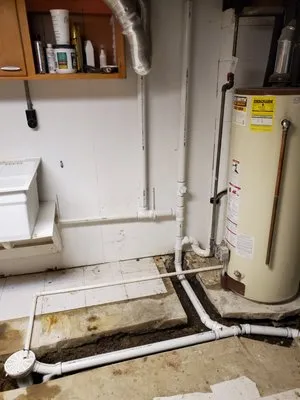
Felton Plumbing
Felton Plumbing is a locally owned and operated plumbing service in Rochester, MN, with over 20 years of experience serving residential and light commercial clients throughout Olmsted County. Licensed...
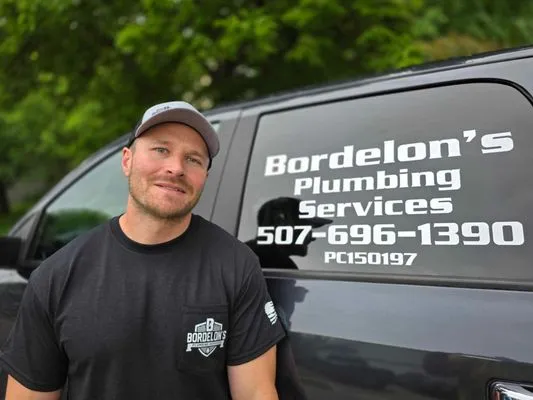
Bordelon's Plumbing Services is a trusted, fully certified plumbing company serving Rochester, MN, and surrounding Olmsted County. Led by Brad Bordelon, our team provides reliable solutions for both h...
Mr. Rooter Plumbing of Rochester-MN
Mr. Rooter Plumbing of Rochester-MN is a locally owned and operated plumbing service deeply committed to serving the Rochester community. We are a proud part of a legacy that began in 1970, built on a...

Plumbing Solutions
Plumbing Solutions is your trusted local plumbing service in Stewartville, MN, specializing in comprehensive plumbing repairs and installations. We understand the unique challenges Stewartville homeow...

I'm Ken Wood, owner of Five Star Bath Solutions of Minneapolis, proudly serving Dundas and the surrounding areas. My mission is to partner with you to make your bathroom dreams a reality, ensuring a s...
Lakes Country Plumbing is a trusted, locally-owned plumbing service based in Chatfield, MN, dedicated to keeping homes and businesses running smoothly. We specialize in thorough plumbing inspections t...
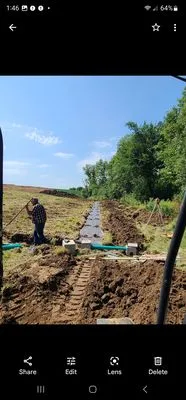
Coyote Hill Excavating is a locally owned and operated business serving Canton, MN, and Southeast Minnesota since 2015. We specialize in septic system services, including inspection, design, and insta...

Stender Enterprises is your trusted local plumbing and HVAC specialist serving Wykoff, MN, and surrounding communities. With years of experience, we provide comprehensive solutions for both residentia...
Canton Heating & Cooling is your trusted local HVAC and plumbing expert serving the Canton, MN community. We understand the unique challenges of our climate, especially the common issues of frozen dra...
Estimated Plumbing Costs in Spring Valley, MN
Common Questions
Does having a well with hard water damage my plumbing fixtures?
Yes, the hard groundwater common in our wells accelerates wear. Minerals like calcium and magnesium deposit as limescale inside pipes, water heaters, and faucet cartridges. This scale buildup reduces efficiency, causes premature failure of water heater elements and mixing valves, and can completely clog aerators and showerheads without regular maintenance.
Do I need a permit to replace my water heater or re-pipe my house?
Most major plumbing work in Fillmore County requires a permit from Planning and Zoning, and it must be performed by a licensed professional. As a Master Plumber licensed by the Minnesota Department of Labor and Industry, I pull all necessary permits, schedule inspections, and ensure the work meets state code. I handle that red tape so you don't have to navigate it yourself.
What's the most important thing to do to avoid frozen pipes here in winter?
Before temperatures hit our typical low of 4°F, shut off and drain any exterior hose bibs from inside the house. The critical pro-tip for our Snow Belt climate is to disconnect garden hoses in the fall. A trapped hose holds water back against the valve seat, which will freeze and crack the bib or the pipe inside your wall, leading to a major leak when it thaws.
Why does my old galvanized pipe keep springing leaks?
Galvanized steel pipe installed around 1956 fails in predictable ways. The zinc coating has worn off internally, allowing the steel to rust. This creates scale that blocks flow and stresses the pipe walls. Joints and threaded connections are the weakest points, often succumbing to pinhole leaks or cracking from decades of calcification and expansion during freeze cycles.
Could the lay of the land be causing my drainage or sewer problems?
The relatively plain terrain around areas like Forestville/Mystery Cave State Park means water doesn't always drain away from foundations quickly. Over decades, this can cause subtle settling that puts uneven stress on your main sewer line. That stress, combined with freeze-thaw cycles, often leads to bellies or cracks in older clay or cast iron lines, resulting in slow drains and backups.
Are there different plumbing concerns for a rural home versus one in town?
Absolutely. Rural homes here rely on a private well and septic system, not municipal water and sewer. This means maintaining the pressure tank, well pump, and the entire drain field is your responsibility. A failure in any of these components requires a specialist who understands the full system, not just the fixtures inside the house.
How long does it take for a plumber to get to Spring Valley for an emergency call?
Heading past Forestville/Mystery Cave State Park on US-63, I can typically be in central Spring Valley within 45 to 60 minutes for a priority call. That route is reliable, but travel time can vary during the spring thaw or with heavy farm equipment on the roads. I plan my dispatch to account for local conditions so you get a realistic ETA.
My Spring Valley house was built in the 1950s. What's going on with my old pipes?
Your galvanized steel supply lines are about 70 years old. In a Downtown home from 1956, that material has likely reached its functional lifespan. Homeowners are seeing a sharp increase in sediment-heavy, rust-colored water and a significant drop in water pressure. This is the final stage of internal corrosion, where scale buildup has nearly closed the pipe bore, and pinhole leaks at the threads are becoming common.
