Top Emergency Plumbers in Southside, MN, 55302 | Compare & Call

There are 59 plumbing companies server in Southside MN
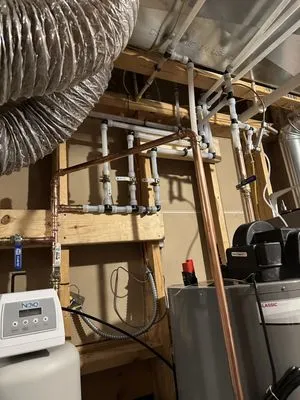
Foster Plumbing
Foster Plumbing is a trusted local plumbing service in Big Lake, MN, owned and operated by Master Plumber Scott Foster. With over a decade of hands-on experience, Scott combines his business acumen wi...
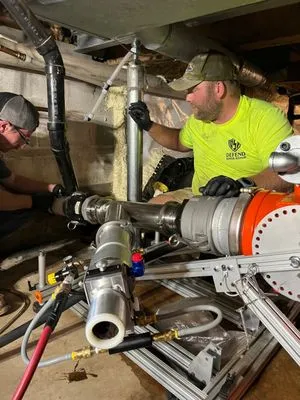
Defend Sewer Repair is a Minneapolis-based, locally owned plumbing and sewer service dedicated to serving homeowners and businesses across the Twin Cities area. We specialize in minimizing disruption ...
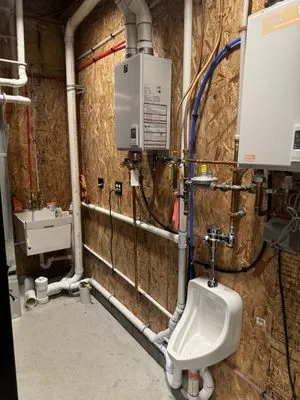
Sunrise Plumbing
Sunrise Plumbing is a third-generation family business serving Albertville and the West Metro area since 1978. Founded by Andy Savitski and continued by his son Mike for 29 years, the company now carr...
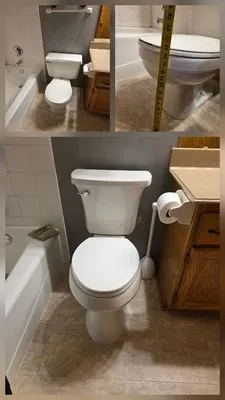
Honest Plumbing Solutions
Honest Plumbing Solutions is a family-owned plumbing business serving Brooklyn Park, MN, and the Twin Cities metro area. Founded in 2023 by Benjamin, a U.S. Army veteran and Master Plumber with over a...
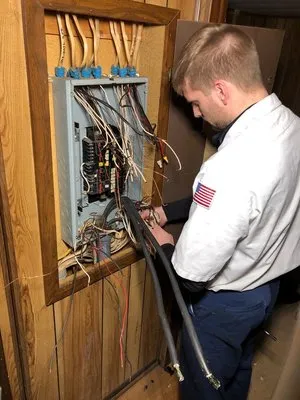
Neighborhood Plumbing, Heating, Air Conditioning and Electrical
Neighborhood Plumbing, Heating, Air Conditioning and Electrical is a fourth-generation, family-owned business with roots in Central Minnesota dating back to 1947. For over 70 years, we've built our re...
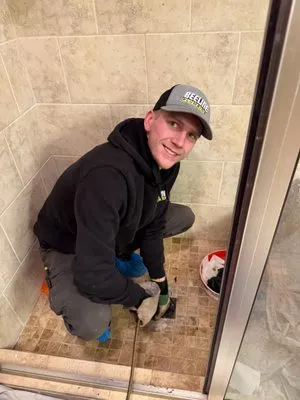
Beeline Plumbing
Beeline Plumbing is a family-owned and operated plumbing service based in Zimmerman, MN, founded by second-generation plumber Jake. With years of experience from both large corporations and small fami...

Affordable Plumbing Solutions is your trusted local plumbing company in Princeton, MN, built on a foundation of expert workmanship and honest pricing. We understand the unique plumbing challenges face...
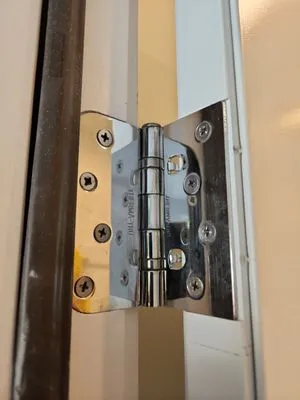
Gary's Handyman Service in Elk River, MN provides reliable home repair and maintenance solutions for local residents. With over a decade of hands-on experience, Gary and his team handle everything fro...
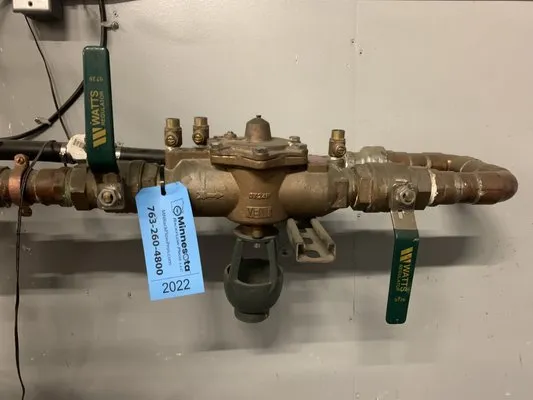
Minnesota Backflow Pros LLC is a family-owned and operated plumbing company based in Zimmerman, dedicated to protecting the health and safety of our community's drinking water. With over 30 years of i...
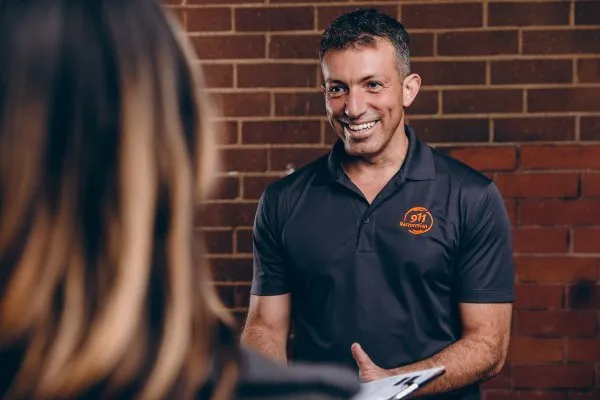
911 Restoration of Minneapolis
911 Restoration of Minneapolis in Blaine, MN, is an IICRC-certified damage restoration company dedicated to helping local residents and businesses recover from unexpected disasters. Operating 24/7, th...
Estimated Plumbing Costs in Southside, MN
Question Answers
Does the flat terrain around Wright County affect my home's drainage system?
Plain terrain lacks natural slope for gravity drainage, putting additional stress on main sewer lines. Soil around the Wright County Courthouse area tends to retain moisture, which can lead to settling that misaligns pipe connections. This creates low spots where debris accumulates and causes backups. Proper grading around your foundation and regular drain cleaning become more critical in flat landscapes to prevent sewage from pooling near your home's main line connection.
Why are my 40-year-old copper pipes suddenly failing in Southside?
Copper pipes installed around 1986 are now 40 years old, which is when internal corrosion and mineral buildup accelerate. Homeowners in Southside Core often notice reduced water pressure, discolored water, or small leaks appearing in walls or ceilings. This happens because decades of water flow wear down the protective lining inside copper pipes. At this age, the original solder joints can also weaken, leading to system-wide vulnerabilities that weren't apparent during the first 30 years of service.
What causes pinhole leaks in older copper plumbing systems?
Pinhole leaks develop in 40-year-old copper pipes due to a combination of internal corrosion and electrolytic action. Water chemistry, particularly with private wells, creates microscopic pits that gradually penetrate the pipe wall. These leaks often appear first at joints or bends where water turbulence accelerates wear. Left unaddressed, pinhole leaks can lead to water damage inside walls and require section replacement rather than simple patching.
How does hard water from private wells damage water heaters and fixtures?
Hard water contains dissolved minerals that precipitate out as scale when heated. In water heaters, this scale buildup insulates heating elements, forcing them to work harder and reducing efficiency by up to 30%. Fixtures develop mineral deposits that restrict flow and degrade rubber seals and washers. Over 5-10 years, unchecked scale accumulation can completely clog supply lines and require premature replacement of appliances that would otherwise last decades with treated water.
Are septic system issues different in rural Southside than in city areas?
Rural properties with private wells and septic systems face unique challenges compared to municipal connections. Septic fields require proper soil percolation testing that accounts for local groundwater levels. Well pumps and pressure tanks need regular maintenance to prevent hard water scale buildup. Without city sewer access, homeowners must monitor their entire water usage and disposal system, as overloading a septic tank can lead to backups that affect both plumbing and drinking water safety.
How quickly can a plumber reach my home during an emergency in Wright County?
Heading past Wright County Courthouse on MN-25, our dispatch route covers most Southside addresses within 45-60 minutes. We monitor traffic patterns and weather conditions to optimize response times, especially during peak hours or winter weather. For urgent situations like burst pipes or sewage backups, we prioritize direct routing through the county's main corridors. This approach minimizes delays while ensuring we arrive with the right equipment for your specific plumbing issue.
Who handles permits and inspections for plumbing work in Wright County?
We manage all Wright County Planning and Zoning permits and Minnesota Department of Labor and Industry inspections for plumbing projects. Our licensed status ensures compliance with state codes for well connections, septic modifications, and water heater installations. This includes pressure testing, backflow prevention devices, and proper venting requirements. Handling this red tape means your project proceeds smoothly without unexpected delays or compliance issues that could affect your home's value or insurance coverage.
What should I do to prevent frozen pipes during spring thaw in Minnesota's snow belt?
Insulate exposed pipes in crawl spaces and along exterior walls before temperatures drop to 2°F. During spring thaw, monitor areas where snow accumulation melts and refreezes overnight. Keep cabinet doors open to allow warm air circulation around pipes, and maintain a consistent thermostat setting day and night. For vacation homes or rarely used areas, consider installing heat tape on vulnerable sections. These measures prevent the expansion that causes pipes to burst when ice thaws.
