Top Emergency Plumbers in South Saint Paul, MN, 55075 | Compare & Call

There are 237 plumbing companies server in South Saint Paul MN
John's Sewer and Drain Cleaning has been a trusted name in Minneapolis since 1976, founded on deep local roots and family expertise. Father-son owners Larry and Eddie Gillis bring nearly 70 years of c...
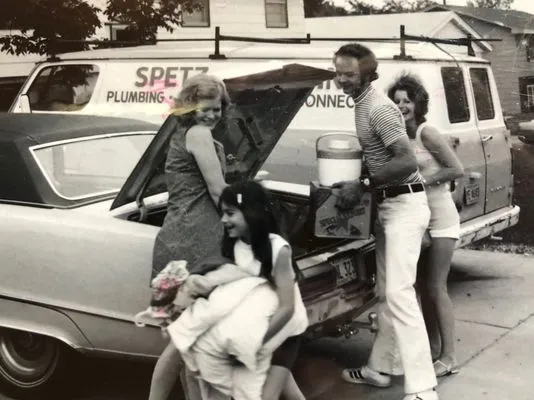
Spetz Plumbing Corporation
Spetz Plumbing Corporation is a family-owned plumbing business serving Champlin and the greater Twin Cities area for over three decades. Rooted in the local community, we are licensed, bonded, and ins...
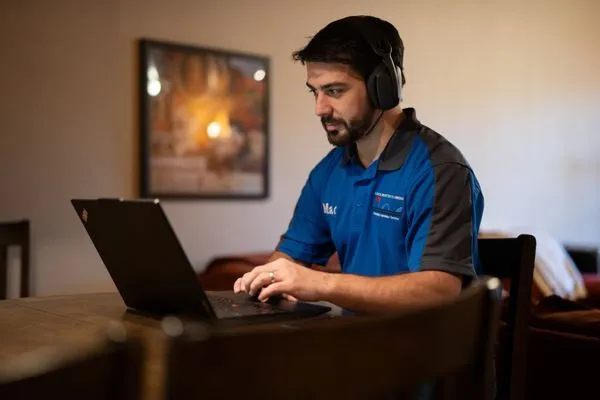
Loch Monster Plumbing
Loch Monster Plumbing is a trusted, family-owned plumbing service serving Minnetonka and the entire Minneapolis/St. Paul metro area. With over 15 years of experience, we are licensed, bonded, and insu...

Norblom Plumbing is a family-owned plumbing company serving Saint Paul, MN, and the surrounding areas since 1923. With three generations of expertise, we provide comprehensive plumbing services for re...
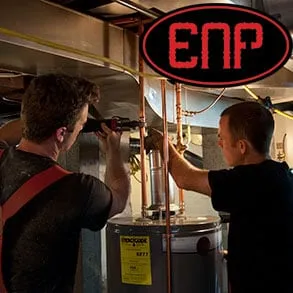
Erik Nelson Plumbing is a trusted local plumbing service based in South Minneapolis, serving the community for over 15 years. With a team of eight experienced plumbers who all live within the service ...
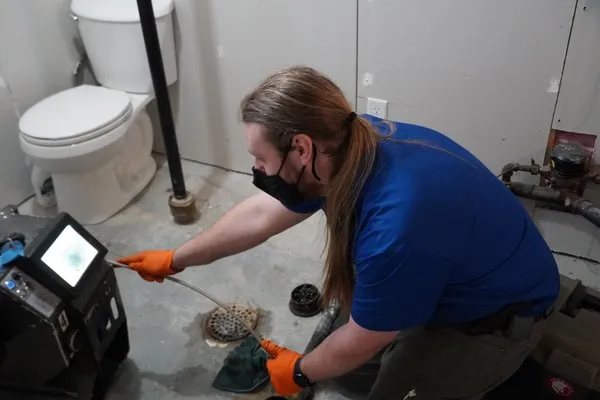
Ron the Sewer Rat has been serving Eagan and the Twin Cities area since 1972, founded by Ron after he experienced overcharging from another plumbing company. With over 20 years of specialized drain cl...
Northern Lights Plumbing is your trusted, local plumbing expert in Minneapolis, MN. We specialize in a comprehensive range of services, from bathtub and faucet repairs to full plumbing system installa...
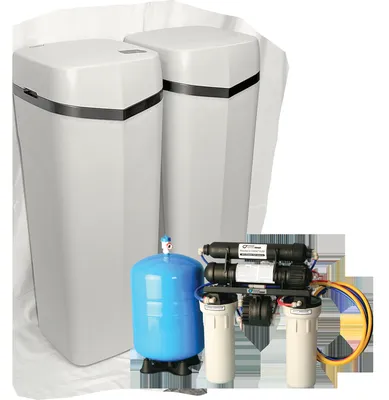
Northern Plumbing & Softening
Northern Plumbing & Softening is a trusted, family-operated plumbing and water treatment company that has been serving the Minneapolis and St. Paul metro area for over 50 years. Our team of licensed, ...

Northeast Handyman is a trusted, locally-owned service in Minneapolis, MN, bringing over 18 years of reliable craftsmanship to homes across the Twin Cities. Licensed and insured, we are your go-to for...
Metro Heating & Cooling
Metro Heating & Cooling is a locally owned, family-oriented HVAC and plumbing company proudly serving Maplewood and the greater Twin Cities. With a team of 38 highly skilled technicians boasting over ...
Estimated Plumbing Costs in South Saint Paul, MN
FAQs
My home's water pressure keeps dropping in Southview. What's the life expectancy of my plumbing?
Homes built around 1952 have plumbing that is now 74 years old. In South Saint Paul, this typically means galvanized steel supply lines. You're seeing the final stage of their life cycle: severe internal corrosion and scale buildup that restricts water flow. Entire pipe sections can fail with little warning, which is why sudden pressure drops are so common in neighborhoods like Southview now.
How fast can a plumber get to my house for an emergency leak?
From our shop near Kaposia Landing, a dispatch route heads onto I-494 for direct access to most of the city. Heading past Kaposia Landing on I-494, we can typically reach any home in South Saint Paul within 20 to 30 minutes. We prioritize water-related emergencies to mitigate property damage from a burst pipe or failed water heater.
What's the most important spring plumbing maintenance for our area?
Before the spring thaw hits its peak, disconnect your garden hoses and ensure your exterior faucets are not dripping. A hose left connected traps water in the bib, which can freeze and crack the pipe inside your wall. This simple step prevents one of the most common and costly leaks we see after our 8-degree winter lows transition to thaw.
As a suburban homeowner, what's my biggest plumbing risk?
Your lateral sewer line, which connects your home to the municipal main under the street, is a primary concern. In a mature suburban setting like ours, tree roots seek out the moisture in old pipe joints and can cause complete blockages. Municipal water pressure is generally stable, but a sudden spike can be the final straw for your home's aged galvanized pipes.
Could the hilly land near Kaposia Landing cause plumbing issues?
The slope of the terrain puts consistent, uneven stress on buried sewer and water mains. Over decades, this can cause the main line to settle or develop low spots where debris collects, leading to slow drains or backups. For homes on a steep grade, the lateral line from your house to the city sewer is under similar stress and is a common failure point.
Why do I keep getting pinhole leaks in my basement pipes?
Galvanized steel pipes installed in the 1950s are prone to internal rust and tuberculation, which is scale buildup that pits the pipe wall. This creates weak spots that fail under normal water pressure, resulting in pinhole leaks. The problem often starts at threaded joints or where the pipe contacts damp concrete, common in our older basements.
Do I need a permit to replace my water heater, and who handles it?
Yes, South Saint Paul Building Department requires a permit for water heater replacement. As a Master Plumber licensed by the Minnesota Department of Labor and Industry, I pull the permit, schedule the inspection, and ensure the installation meets all current code for expansion tanks and dielectric unions. I handle the red tape so you don't have to.
Does our hard Mississippi River water damage appliances?
Yes. The mineral content in our hard river water accelerates scale buildup inside appliances and plumbing. Water heaters are especially vulnerable; sediment and scale insulate the heating elements, forcing them to work harder and fail prematurely. You'll also see reduced flow and premature seal failure in faucets and shower valves over time.
