Top Emergency Plumbers in Scanlon, MN, 55720 | Compare & Call

There are 194 plumbing companies server in Scanlon MN
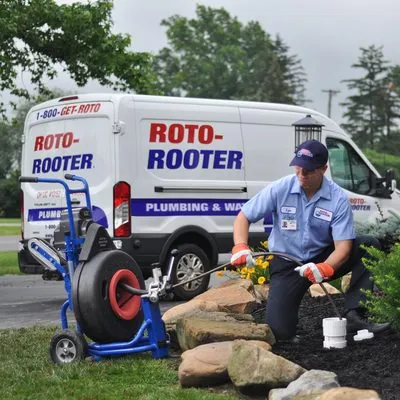
Roto-Rooter Plumbing & Water Cleanup
Roto-Rooter Plumbing & Water Cleanup in New Brighton, MN provides reliable plumbing and water damage services for local homes and businesses. Our team is available 24/7 for emergencies, including drai...
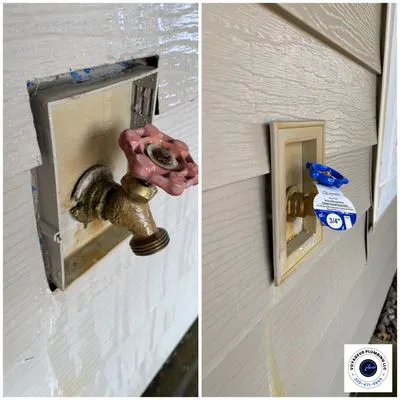
Voyageur Plumbing is a licensed plumbing service founded in 2023 by Cole and his wife Sarah, serving Milaca and surrounding communities within a 60-mile radius. With over a decade of industry experien...
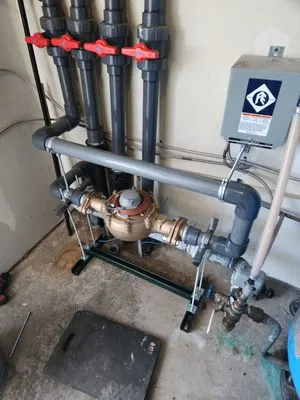
For over 20 years, DeWitt Plumbing and Service LLC has been the trusted, local plumbing resource for Pine City, MN, and the surrounding areas. As a small, owner-operated company, we bring a neighborly...
Benjamin Franklin Plumbing
Benjamin Franklin Plumbing in North Branch, MN, is a locally operated plumbing service dedicated to providing reliable, punctual solutions for homes and businesses. As part of the national Benjamin Fr...
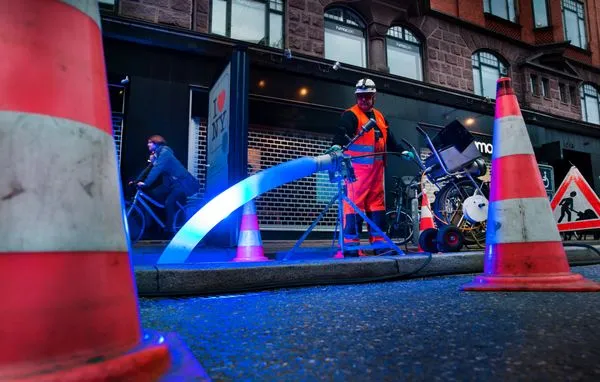
Truly Trenchless Sewer Solutions is a Cambridge-based plumbing and sewer specialist dedicated to solving local pipe problems with minimal disruption. We focus on trenchless sewer repair and lining, wh...

Affordable Plumbing Solutions is your trusted local plumbing company in Princeton, MN, built on a foundation of expert workmanship and honest pricing. We understand the unique plumbing challenges face...
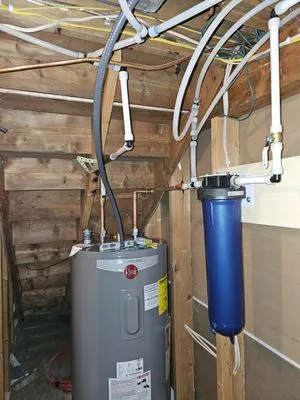
Dammen's Plumbing has been the trusted plumbing service for homes in Cushing, MN, for years. We understand the common local challenges homeowners face, like leaks from aging dishwasher connections and...
Guthrie Plumbing & Heating
Guthrie Plumbing & Heating has been a trusted Duluth plumbing and heating partner since 2000, founded by Master Plumber Dale Guthrie, who brings over 30 years of trade experience dating back to 1990. ...

Lavoie Plumbing
Lavoie Plumbing Inc. is a licensed and insured plumbing service provider serving Esko, MN, and surrounding areas. With expertise in a wide range of plumbing needs, from bathtub and drain repairs to HV...
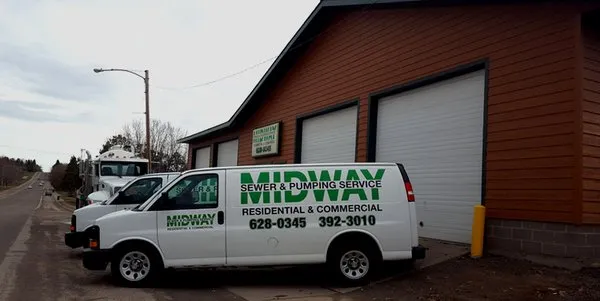
Midway Sewer Service has been a trusted family-owned plumbing and sewer specialist in Proctor, MN, since 1977. With over 40 years of experience, we provide reliable sewer, drain, and septic services f...
Estimated Plumbing Costs in Scanlon, MN
Q&A
Why do my old galvanized pipes keep leaking?
Galvanized steel from 1958 fails in predictable ways. The zinc coating that prevents rust wears off internally over 60-plus years, letting the bare steel corrode. This creates pinhole leaks. Joints also fail because mineral scale and rust buildup expand, cracking the fittings. We often find the worst corrosion on hot water lines and in horizontal runs where sediment settles.
How long does it take for a plumber to get to Scanlon for an emergency?
Our dispatch from the St. Louis River area usually takes 45 to 60 minutes. The route heads past the St. Louis River on I-35, then follows the local roads into your neighborhood. We factor in local traffic and weather, especially in winter. You can expect a call when the truck is about 15 minutes out.
Do I need a permit to replace the plumbing in my Scanlon home?
Yes, the City of Scanlon Building Department requires permits for repiping and water heater replacements. As a master plumber licensed by the Minnesota Department of Labor and Industry, I handle pulling the permit, scheduling inspections, and ensuring the work meets all state and local codes. My job is to manage that red tape so the process is seamless for you.
Does our hard water from the St. Louis River damage plumbing?
Yes, the mineral content in our water leads to significant scale buildup. Inside water heaters, this sediment insulates the heating elements, forcing them to work harder and fail sooner. On faucet cartridges and valve seats, scale acts like grinding paste, wearing them out quickly. We recommend installing a whole-house water softener to protect new pipes and appliances after a repipe.
Could the hilly land near the St. Louis River affect my sewer line?
The slope of your property directly stresses the main sewer line. On a steep lot, the pipe can settle or shift over time, creating a belly or a low spot where waste collects and causes blockages. Soil erosion from runoff, especially near the river, can also expose or undermine buried lines. We use a camera inspection to check for these grade-related issues during a backup.
Are there special plumbing considerations for homes in Scanlon?
Many homes here are on private wells and septic systems, not city water and sewer. That means you're responsible for the entire system from the well pump to the septic drain field. We check for issues like failing pressure tanks, sediment from the well clogging fixtures, and ensuring the septic system isn't overloaded, which is common with older galvanized pipes that leak constantly.
My Scanlon home's pipes are original. What should I expect?
Your galvanized steel pipes, installed around 1958, are now about 68 years old. In Scanlon City Center, homeowners are commonly seeing two things. First, severe internal corrosion causes a drop in water pressure as the pipe diameter shrinks. Second, the steel weakens and starts springing pinhole leaks, often at threaded joints or where hangers have rubbed the pipe over decades. This is the typical failure point for infrastructure from that era.
What's one thing I should do before spring in Scanlon to avoid plumbing problems?
Before the spring thaw hits its peak, disconnect your garden hoses. If left connected, water trapped in the hose bib can freeze and expand back into the interior pipe, causing a split inside your wall. This is a common and preventable emergency in our snow belt. Also, make sure any exterior faucets are the frost-free type, properly installed to drain.
