Top Emergency Plumbers in Sandstone, MN, 55072 | Compare & Call

There are 235 plumbing companies server in Sandstone MN
John's Sewer and Drain Cleaning has been a trusted name in Minneapolis since 1976, founded on deep local roots and family expertise. Father-son owners Larry and Eddie Gillis bring nearly 70 years of c...
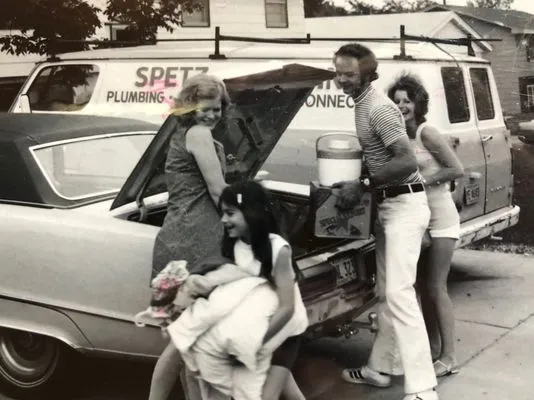
Spetz Plumbing Corporation
Spetz Plumbing Corporation is a family-owned plumbing business serving Champlin and the greater Twin Cities area for over three decades. Rooted in the local community, we are licensed, bonded, and ins...
Loch Monster Plumbing
Loch Monster Plumbing is a trusted, family-owned plumbing service serving Minnetonka and the entire Minneapolis/St. Paul metro area. With over 15 years of experience, we are licensed, bonded, and insu...
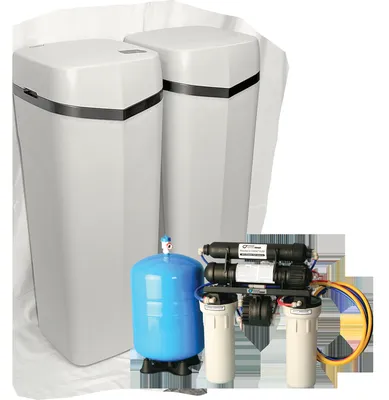
Northern Plumbing & Softening
Northern Plumbing & Softening is a trusted, family-operated plumbing and water treatment company that has been serving the Minneapolis and St. Paul metro area for over 50 years. Our team of licensed, ...
Metro Heating & Cooling
Metro Heating & Cooling is a locally owned, family-oriented HVAC and plumbing company proudly serving Maplewood and the greater Twin Cities. With a team of 38 highly skilled technicians boasting over ...

St Paul Pipeworks
St. Paul Pipeworks is a trusted, family-run plumbing business serving Little Canada and the surrounding metro area. Founded and operated by Master Plumber Charlie Avoles, the company brings a second g...
Plumb Right
Plumb Right is a family-owned plumbing company that began serving Brooklyn Park and the Twin Cities in 1988. As a third-generation master plumber, I learned the trade from my father and find genuine s...
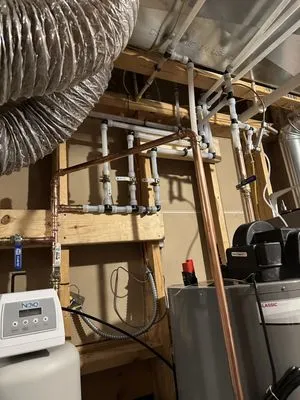
Foster Plumbing
Foster Plumbing is a trusted local plumbing service in Big Lake, MN, owned and operated by Master Plumber Scott Foster. With over a decade of hands-on experience, Scott combines his business acumen wi...
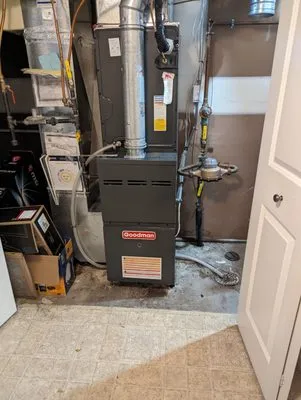
Vector Services
Vector Services has been a trusted home services provider in Minneapolis since 2014, offering reliable HVAC, plumbing, and electrical solutions. We serve residential and commercial properties within a...

Tim’s Quality Plumbing, Heating, & Cooling began in 1981 as a small, family-run business with a simple goal: to provide quality work and treat every customer like a neighbor. Now in its second generat...
Estimated Plumbing Costs in Sandstone, MN
FAQs
Does Sandstone's hard water from the Kettle River damage my plumbing?
Yes, the mineral content in our hard water leads to significant scale buildup. Inside water heaters, this limescale acts as an insulator on the heating elements, forcing them to work harder and fail prematurely. On fixtures and inside pipes, the scale constricts water flow and can trap corrosive materials against metal surfaces, speeding up the failure of older galvanized systems and valves.
Why do my old galvanized pipes keep springing pinhole leaks?
Galvanized steel from the mid-60s has a lifespan of 50 to 70 years. The zinc coating that prevents rust wears away internally over decades, leaving the bare steel exposed to constant water contact. This leads to accelerated corrosion, which thins the pipe wall until it perforates, creating those pinhole leaks. Joints and horizontal runs are most vulnerable because sediment and scale accelerate the corrosion process at those points.
Do I need a permit to replace my water heater or repipe my house in Pine County?
Yes, most major plumbing work requires a permit from Pine County Building and Zoning. As a Master Plumber licensed by the Minnesota Department of Labor and Industry, I handle pulling those permits, scheduling inspections, and ensuring the work meets all state and county codes. This manages the red tape for you and guarantees the installation is documented correctly for future home sales or insurance purposes.
How fast can a plumber get to my house in Sandstone if I have a burst pipe?
Heading past Robinson Park on I-35 is the main dispatch route for most of our service area. From there, we can typically reach homes along the corridor or in the downtown grid within 45 to 60 minutes, depending on your exact location and road conditions. We prioritize emergency calls, so a technician is usually rolling within 20 minutes of your call.
What's the most important plumbing tip for Sandstone's cold winters and spring thaw?
Insulate any pipes in unheated crawl spaces or along exterior walls before the first hard freeze. A pro-tip for our snow belt is to disconnect and drain your garden hoses in the fall; a frozen hose bib can crack the interior water line. During the rapid spring thaw, check your basement for new moisture, as ground saturation can overwhelm old drain tile and sump systems.
As a rural homeowner near Sandstone, are my septic and well my responsibility?
Absolutely. Municipal sewer and water typically end at the edge of Downtown Sandstone. If you're on a well, maintaining the pressure tank, pump, and treatment system is your responsibility. For septic, regular pumping every 2-3 years is critical, as neglecting it can lead to drain field failure—a much costlier repair than the routine maintenance. We service both well and septic systems alongside standard household plumbing.
Could the flat land around Robinson Park cause plumbing drainage issues?
The relatively plain terrain means there's little natural slope for positive drainage away from your foundation. Over time, this can lead to soil saturation around your main sewer line, especially if the ground settles. That constant moisture and potential frost heave puts extra stress on older cast iron or clay main lines, which can cause joint separation or cracks that lead to backups or yard sinkholes.
My Sandstone house was built around 1965. What should I expect from my plumbing now?
With 61-year-old galvanized steel pipes, you are in the prime failure window. Downtown Sandstone homeowners are currently seeing widespread pinhole leaks, especially at threaded joints where rust has eaten through from the inside. Water pressure drops are common as the pipe diameter constricts from decades of mineral and rust scale buildup. Total line blockages and sudden pipe bursts in basements or behind walls are the typical failure points we're responding to now.
