Top Emergency Plumbers in Saint Louis Park, MN, 55416 | Compare & Call

There are 238 plumbing companies server in Saint Louis Park MN
Ferguson Plumbing Service and Repair is a trusted local plumbing business serving Ruthven, IA, and surrounding areas. With 26 years of experience, primarily in commercial plumbing, owner [Name] is now...
John's Sewer and Drain Cleaning has been a trusted name in Minneapolis since 1976, founded on deep local roots and family expertise. Father-son owners Larry and Eddie Gillis bring nearly 70 years of c...
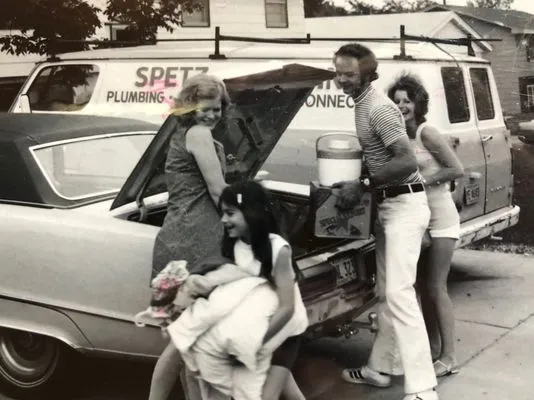
Spetz Plumbing Corporation
Spetz Plumbing Corporation is a family-owned plumbing business serving Champlin and the greater Twin Cities area for over three decades. Rooted in the local community, we are licensed, bonded, and ins...
Loch Monster Plumbing
Loch Monster Plumbing is a trusted, family-owned plumbing service serving Minnetonka and the entire Minneapolis/St. Paul metro area. With over 15 years of experience, we are licensed, bonded, and insu...

Norblom Plumbing is a family-owned plumbing company serving Saint Paul, MN, and the surrounding areas since 1923. With three generations of expertise, we provide comprehensive plumbing services for re...
Erik Nelson Plumbing is a trusted local plumbing service based in South Minneapolis, serving the community for over 15 years. With a team of eight experienced plumbers who all live within the service ...
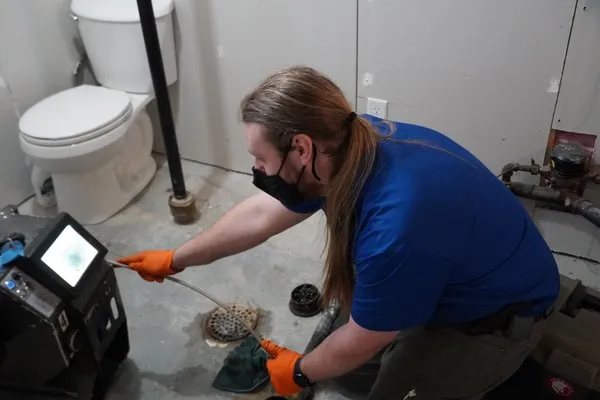
Ron the Sewer Rat has been serving Eagan and the Twin Cities area since 1972, founded by Ron after he experienced overcharging from another plumbing company. With over 20 years of specialized drain cl...
Northern Lights Plumbing is your trusted, local plumbing expert in Minneapolis, MN. We specialize in a comprehensive range of services, from bathtub and faucet repairs to full plumbing system installa...
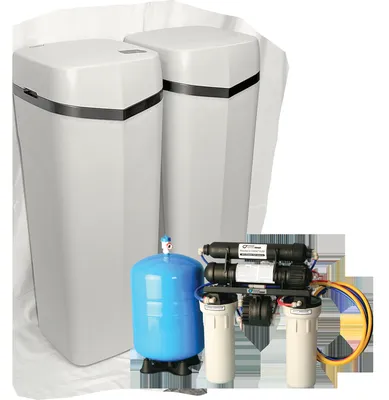
Northern Plumbing & Softening
Northern Plumbing & Softening is a trusted, family-operated plumbing and water treatment company that has been serving the Minneapolis and St. Paul metro area for over 50 years. Our team of licensed, ...

Northeast Handyman is a trusted, locally-owned service in Minneapolis, MN, bringing over 18 years of reliable craftsmanship to homes across the Twin Cities. Licensed and insured, we are your go-to for...
Estimated Plumbing Costs in Saint Louis Park, MN
Questions and Answers
How quickly can a plumber get to Saint Louis Park for an emergency?
Dispatch from our West End location is straightforward. Heading past West End on MN-100 provides a direct route into most Saint Louis Park neighborhoods, keeping response times consistent. For urgent calls, we typically have a truck on the road within 20 to 30 minutes. Knowing the main arteries helps us avoid local delays and reach your home efficiently when you need it most.
Why do my old pipes keep springing pinhole leaks?
Galvanized steel pipe from the mid-50s fails in a specific way. Decades of internal rust and mineral scale from our hard water create uneven corrosion. This process wears the pipe wall thin in spots, leading to those sudden pinhole leaks. The problem often starts at the threaded joints, where the protective zinc coating was compromised during installation. Once one pinhole appears, the surrounding pipe is usually compromised, making spot repairs a temporary fix at best.
Could the flat land in my neighborhood cause plumbing issues?
The relatively plain terrain around West End can complicate drainage. Without significant slope, stormwater and groundwater drainage relies more on municipal systems. For your home, a lack of fall on the sewer lateral to the main can lead to slow drains and recurring clogs. It also means that when a main line does fail, water and waste have nowhere to go but back towards your basement, making proper line maintenance and a working backwater valve important considerations.
My house in Wolfe Park was built in the 1950s. Should I be worried about my plumbing?
You are right to ask. Homes built around 1955 have galvanized steel pipes that are now about 71 years old. This is well past their intended lifespan. In Wolfe Park, we are seeing a predictable wave of failures: widespread interior corrosion that restricts water flow to a trickle and causes pinhole leaks in walls and basements. The steel rusts from the inside out, and by this age, entire pipe runs often need replacement to restore proper pressure and prevent water damage.
Does Mississippi River water damage my water heater?
Indirectly, yes. The mineral content that makes our water 'hard' leads to scale buildup. Inside a water heater, this scale acts as an insulator on the heating element, forcing it to work harder and fail sooner. It also accumulates in the tank's bottom, reducing capacity and efficiency. For homes with old galvanized pipes, the rust sediment can also wash into the heater, accelerating corrosion. An annual flush and a properly set anode rod are critical maintenance steps here.
As a suburb, does Saint Louis Park have unique plumbing rules?
Suburban infrastructure means you are connected to municipal water and sewer, which comes with specific responsibilities. The city maintains the main line in the street, but you own the lateral from your house to that main. Tree roots seeking water in the clay soil are a common cause of blockages in this private section. Water pressure from the city is generally stable, but aging interior pipes in these older homes are the typical bottleneck, not the municipal supply.
What's the most important spring plumbing tip for Minnesota homes?
Monitor your basement closely during the spring thaw. The cycle of freezing to 6 degrees and then thawing shifts the ground, which can stress old main sewer lines and water service entries. Check for new damp spots on basement walls or floors, which may indicate a cracked pipe or compromised seal. It is also a good time to ensure your sump pump is clear of debris and operational, as melted snow saturates the plain soil around your foundation.
Do I need a permit to replace the plumbing in my Saint Louis Park home?
Yes, most substantial plumbing work requires a permit from the Saint Louis Park Building and Energy Department. This ensures the work meets current state and local codes for safety and longevity. As a master plumber licensed by the Minnesota Department of Labor and Industry, handling the permit application, inspections, and red tape is a standard part of my job. My credentials mean the project is documented correctly with the city, so you do not have to navigate that process yourself.
