Top Emergency Plumbers in Saint Francis, MN, 55005 | Compare & Call

There are 236 plumbing companies server in Saint Francis MN
John's Sewer and Drain Cleaning has been a trusted name in Minneapolis since 1976, founded on deep local roots and family expertise. Father-son owners Larry and Eddie Gillis bring nearly 70 years of c...

Spetz Plumbing Corporation
Spetz Plumbing Corporation is a family-owned plumbing business serving Champlin and the greater Twin Cities area for over three decades. Rooted in the local community, we are licensed, bonded, and ins...
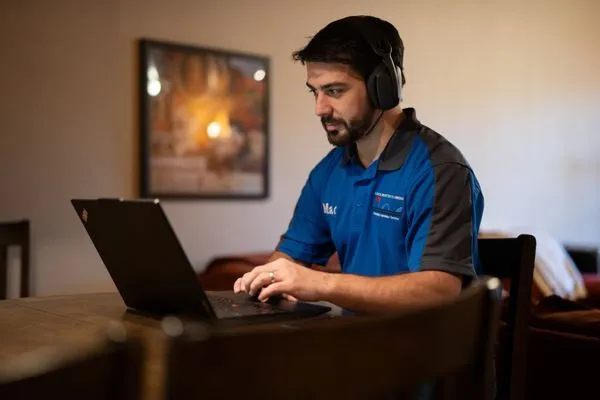
Loch Monster Plumbing
Loch Monster Plumbing is a trusted, family-owned plumbing service serving Minnetonka and the entire Minneapolis/St. Paul metro area. With over 15 years of experience, we are licensed, bonded, and insu...
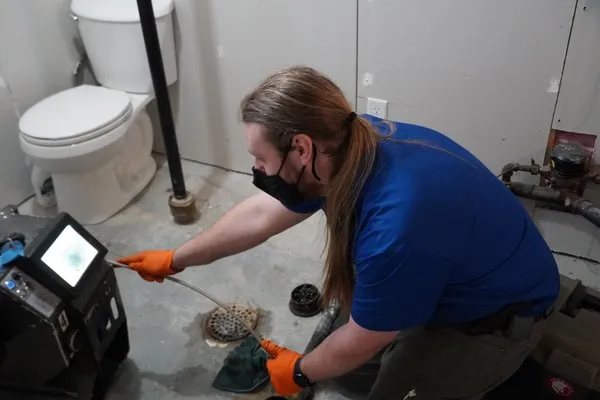
Ron the Sewer Rat has been serving Eagan and the Twin Cities area since 1972, founded by Ron after he experienced overcharging from another plumbing company. With over 20 years of specialized drain cl...
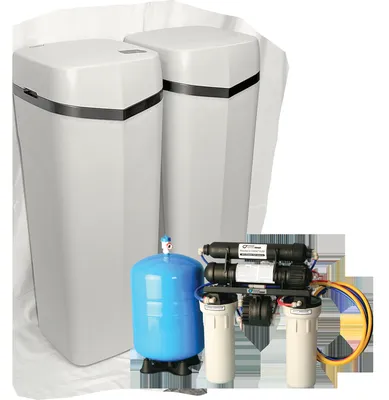
Northern Plumbing & Softening
Northern Plumbing & Softening is a trusted, family-operated plumbing and water treatment company that has been serving the Minneapolis and St. Paul metro area for over 50 years. Our team of licensed, ...
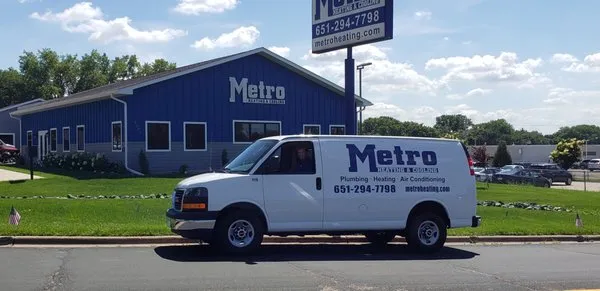
Metro Heating & Cooling
Metro Heating & Cooling is a locally owned, family-oriented HVAC and plumbing company proudly serving Maplewood and the greater Twin Cities. With a team of 38 highly skilled technicians boasting over ...

St Paul Pipeworks
St. Paul Pipeworks is a trusted, family-run plumbing business serving Little Canada and the surrounding metro area. Founded and operated by Master Plumber Charlie Avoles, the company brings a second g...
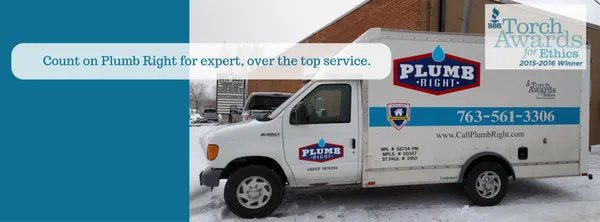
Plumb Right
Plumb Right is a family-owned plumbing company that began serving Brooklyn Park and the Twin Cities in 1988. As a third-generation master plumber, I learned the trade from my father and find genuine s...
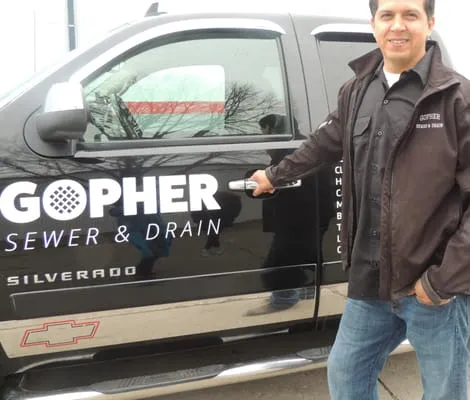
Gopher Sewer & Drain
Gopher Sewer & Drain is your local, family-operated plumbing and drain service in Columbia Heights, MN, founded on the values of honest service and upfront pricing. Since 2009, owner Pedro Tapia has b...
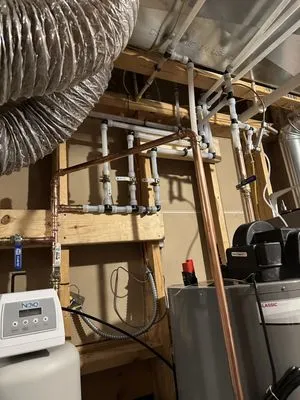
Foster Plumbing
Foster Plumbing is a trusted local plumbing service in Big Lake, MN, owned and operated by Master Plumber Scott Foster. With over a decade of hands-on experience, Scott combines his business acumen wi...
Estimated Plumbing Costs in Saint Francis, MN
Question Answers
Does the flat terrain around Rum River affect my home's drainage or main water line?
The relatively plain terrain means water doesn't drain away from foundations as quickly as in sloped areas. This can lead to saturated soil putting constant pressure on your main water line entering the home. Over years, this soil movement can stress pipe connections. Proper grading around your foundation helps direct water away from critical plumbing infrastructure.
How quickly can a plumber reach my home in Saint Francis during an emergency?
Heading past Rum River North County Park on US-169 gets me into your neighborhood efficiently. From there, I can typically reach most Saint Francis addresses within 45-60 minutes, depending on traffic and exact location. This route avoids unnecessary detours through residential areas. Having a clear description of your issue helps me bring the right tools on the first trip.
My copper pipes were installed in 1993—what should I expect now that they're over 30 years old?
Copper pipes installed in 1993 are now 33 years old, which is when we typically see accelerated wear in Saint Francis. Homeowners in St. Francis Estates often report pinhole leaks appearing in hot water lines first, especially near joints where flux residue remained. The copper has endured decades of hard water mineral contact, thinning the pipe walls gradually. You might notice small damp spots on ceilings or walls before a full leak develops.
What permits or regulations do I need to know about for plumbing work in Saint Francis?
The Saint Francis Building Department requires permits for most plumbing modifications, and all work must meet Minnesota Department of Labor and Industry codes. As a licensed master plumber, I handle the permit applications and inspections so you don't have to navigate the red tape. This ensures your project meets current standards for safety and resale value.
How does our hard well water affect plumbing fixtures and water heaters?
Hard water from private wells deposits calcium and magnesium minerals throughout your plumbing system. Water heaters accumulate scale on heating elements, reducing efficiency and shortening tank life. Fixtures develop mineral buildup that restricts water flow and damages seals. Installing a whole-house water softener can significantly extend the lifespan of your plumbing components.
As a suburban homeowner in Saint Francis, what unique plumbing issues should I watch for?
Suburban homes here often have longer service lines from the street to the house than urban properties. These buried lines can develop leaks that go unnoticed until you see unusually high water bills or soft spots in your yard. Tree roots seeking moisture sometimes infiltrate older sewer laterals. Regular inspection of your water meter during periods of no usage helps detect hidden leaks early.
Why do my 1990s copper pipes keep springing pinhole leaks?
Copper pipes from the early 1990s often develop pinhole leaks due to a combination of factors. The soldering flux used during installation can leave acidic residues that accelerate corrosion over decades. Hard water minerals create scale buildup that traps moisture against the copper, leading to localized pitting. These leaks typically start in hot water lines where thermal expansion stresses the metal.
What should I do to prepare my plumbing for Saint Francis winters and spring thaw?
Before temperatures drop to 6°F, insulate exposed pipes in crawl spaces and garages. During spring thaw, check your basement for moisture as frozen ground thaws and shifts foundation pipes. Keep cabinet doors open to allow warm air circulation around pipes during cold snaps. These simple steps prevent most freeze-related emergencies common in our snow belt climate.
