Top Emergency Plumbers in North Oaks, MN, 55127 | Compare & Call

There are 239 plumbing companies server in North Oaks MN
John's Sewer and Drain Cleaning has been a trusted name in Minneapolis since 1976, founded on deep local roots and family expertise. Father-son owners Larry and Eddie Gillis bring nearly 70 years of c...

Spetz Plumbing Corporation
Spetz Plumbing Corporation is a family-owned plumbing business serving Champlin and the greater Twin Cities area for over three decades. Rooted in the local community, we are licensed, bonded, and ins...
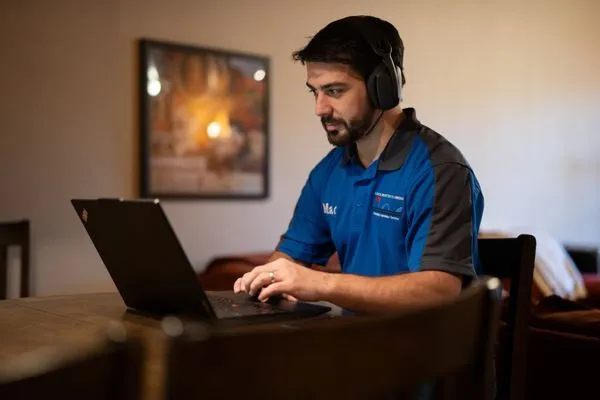
Loch Monster Plumbing
Loch Monster Plumbing is a trusted, family-owned plumbing service serving Minnetonka and the entire Minneapolis/St. Paul metro area. With over 15 years of experience, we are licensed, bonded, and insu...

Norblom Plumbing is a family-owned plumbing company serving Saint Paul, MN, and the surrounding areas since 1923. With three generations of expertise, we provide comprehensive plumbing services for re...
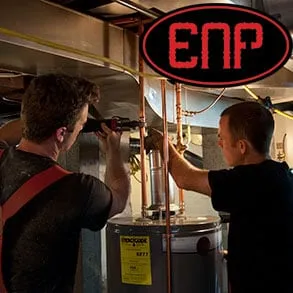
Erik Nelson Plumbing is a trusted local plumbing service based in South Minneapolis, serving the community for over 15 years. With a team of eight experienced plumbers who all live within the service ...
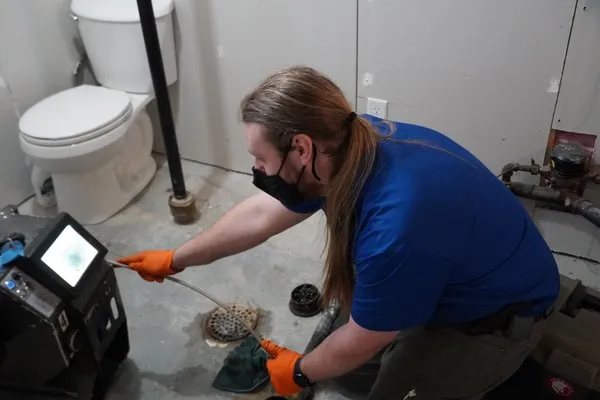
Ron the Sewer Rat has been serving Eagan and the Twin Cities area since 1972, founded by Ron after he experienced overcharging from another plumbing company. With over 20 years of specialized drain cl...
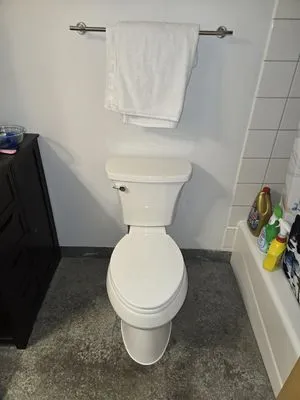
Northern Lights Plumbing is your trusted, local plumbing expert in Minneapolis, MN. We specialize in a comprehensive range of services, from bathtub and faucet repairs to full plumbing system installa...
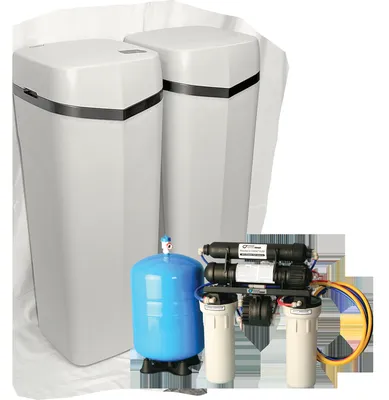
Northern Plumbing & Softening
Northern Plumbing & Softening is a trusted, family-operated plumbing and water treatment company that has been serving the Minneapolis and St. Paul metro area for over 50 years. Our team of licensed, ...
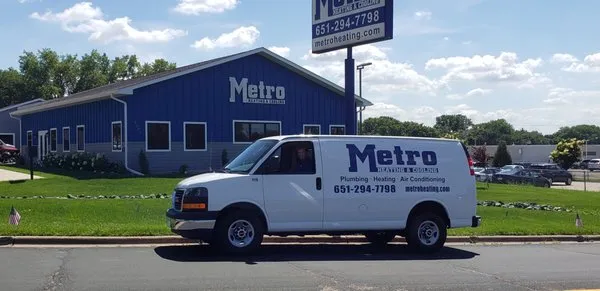
Metro Heating & Cooling
Metro Heating & Cooling is a locally owned, family-oriented HVAC and plumbing company proudly serving Maplewood and the greater Twin Cities. With a team of 38 highly skilled technicians boasting over ...

St Paul Pipeworks
St. Paul Pipeworks is a trusted, family-run plumbing business serving Little Canada and the surrounding metro area. Founded and operated by Master Plumber Charlie Avoles, the company brings a second g...
Estimated Plumbing Costs in North Oaks, MN
FAQs
What should I do before spring thaw to prevent plumbing problems?
Before temperatures rise above freezing, disconnect garden hoses and shut off exterior water supplies. Check for foundation cracks where melting snow could seep in and freeze against pipes. Insulate exposed pipes in crawl spaces, as our 5°F lows can still occur during early spring nights. Monitor your water pressure during thaw periods - sudden increases can stress older pipe joints.
Why do my 1980s copper pipes keep developing pinhole leaks?
Copper pipes from that era experience pinhole leaks due to a combination of age-related thinning and electrolytic corrosion. The copper has been gradually wearing down for 46 years, and microscopic imperfections in the original installation become failure points. Joint calcification from mineral deposits creates additional stress points. This is particularly common in homes with original plumbing that hasn't been updated with modern dielectric unions.
How quickly can a plumber reach my home in North Oaks?
Heading past Pleasant Lake on I-35E, our dispatch route typically takes 25-35 minutes depending on traffic and your specific location within the community. We monitor these routes daily to anticipate delays during peak hours. Once we exit I-35E, the residential roads are generally clear, allowing us to maintain consistent response times throughout North Oaks.
My copper pipes are from the 1980s - what should I expect at this age in North Oaks?
Copper pipes installed around 1980 are now 46 years old. Homeowners in the North Oaks Residential Community often notice increased pinhole leaks and joint failures as the metal thins from decades of water flow. These systems were built to last 40-50 years, so you're entering the period where proactive inspection becomes essential. Scale buildup from our hard water accelerates this wear, particularly at elbows and tees where turbulence occurs.
How does our private well water affect my plumbing system?
Private wells in North Oaks typically produce hard water with high mineral content. This causes scale buildup inside water heaters, reducing efficiency by up to 30% over time. Fixtures develop mineral deposits that restrict flow and damage seals. The lack of municipal water treatment means your system bears the full impact of these minerals, requiring more frequent maintenance of water softeners and filtration systems.
What permits do I need for plumbing work in North Oaks?
The North Oaks Building Department requires permits for most plumbing modifications, particularly those affecting water supply lines or drainage systems. As a licensed master plumber, I handle all permit applications and inspections with both local authorities and the Minnesota Department of Labor and Industry. This ensures your project meets current codes without you navigating bureaucratic requirements. Proper documentation also protects your home's value during future sales.
As a suburban home with private utilities, what plumbing issues are unique to my situation?
Suburban homes in North Oaks with private wells and septic systems face distinct challenges. Well pump pressure must be properly regulated to avoid stressing older copper pipes. Septic system backups can indicate main line issues rather than tank problems. The mature tree roots common in established neighborhoods can infiltrate sewer laterals, requiring specialized camera inspection to diagnose accurately.
Does the hilly terrain around Pleasant Lake affect my main water line?
The sloping landscape creates constant gravitational stress on main water lines running to homes. Soil shifting during freeze-thaw cycles can misalign pipe connections, leading to leaks at joints. Drainage patterns direct surface water toward lower elevations, potentially saturating soil around buried lines. This moisture accelerates corrosion and can cause settling that puts mechanical stress on pipe runs.
